A precautionary MRI for an aching hip gave FACEM Dr Tariq Nehvi a new appreciation for what patients experience when facing the unknown.
All in Feature
A precautionary MRI for an aching hip gave FACEM Dr Tariq Nehvi a new appreciation for what patients experience when facing the unknown.
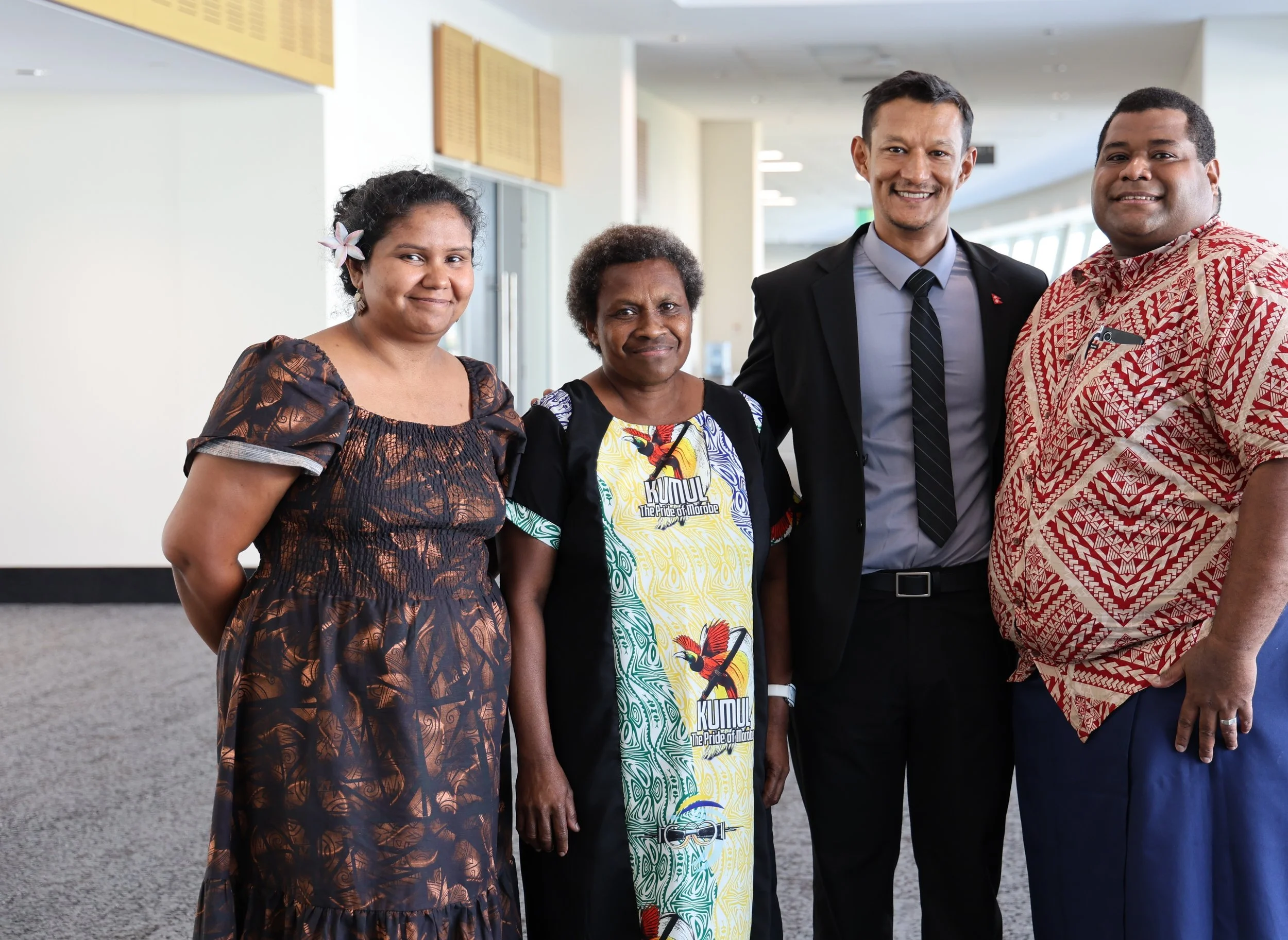
Meet the 2025 ACEM Foundation Global Emergency Care Scholars - Dr Manisha Shankar (Fiji), Sister Wilma Sebby (Papua New Guinea), Dr Bibek Rajbhandari (Nepal) and Dr Josefa Tokon (Vanuatu) - as they reflect on their experiences, challenges and innovations.
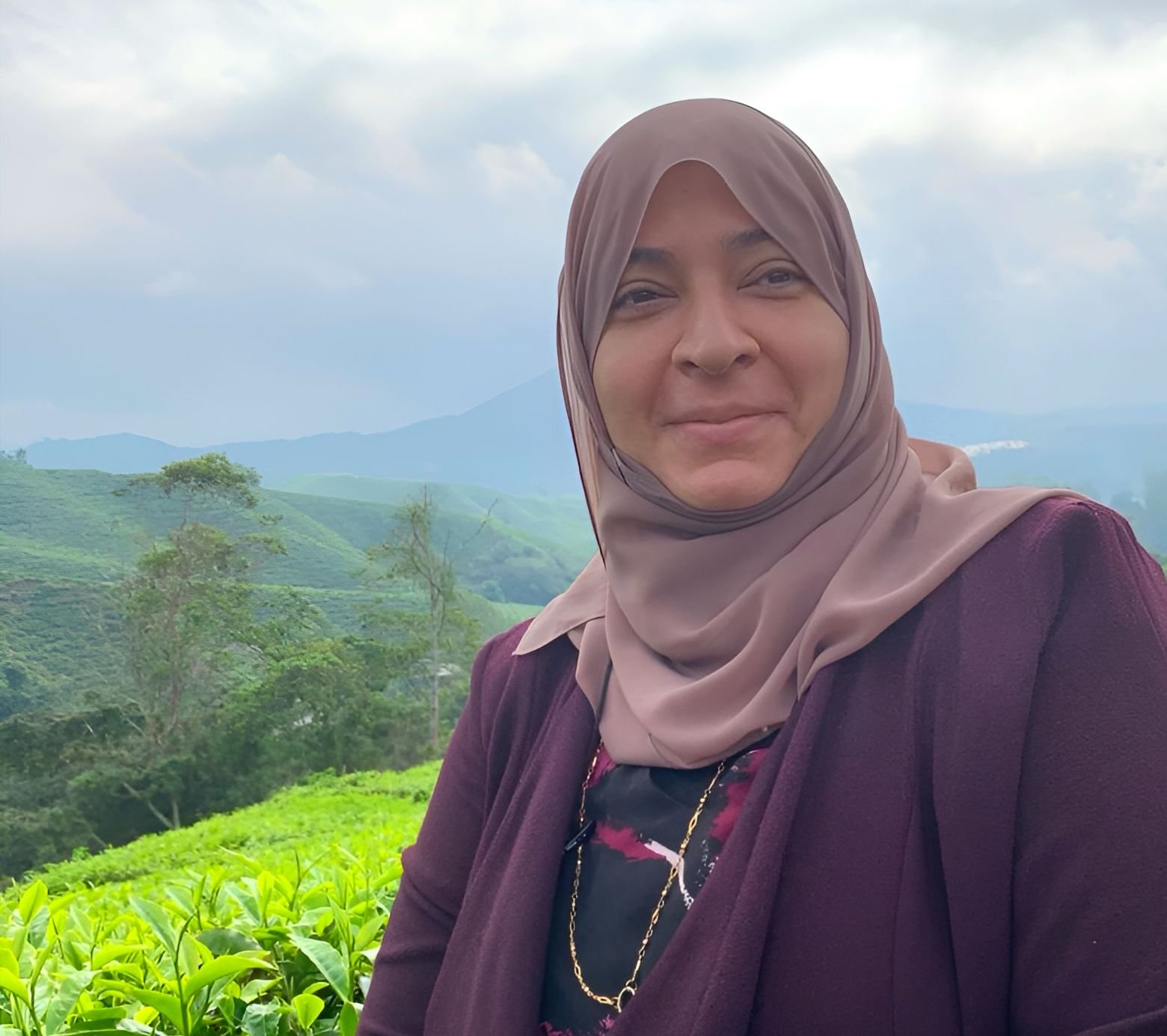
As we commemorate International Women’s Day and its 2026 theme ‘Balance the Scales’, ACEM spoke to two FACEMs who have recently published medical textbooks to learn about their experiences and how we can bridge the gender gap in medical publishing.
ACEM supports the cutting edge of EM research through its Clinical Trials Network (CTN), which facilitates and promotes investigator-initiated, collaborative, multicentre clinical research programs and trials in EM throughout Australia and Aotearoa New Zealand.
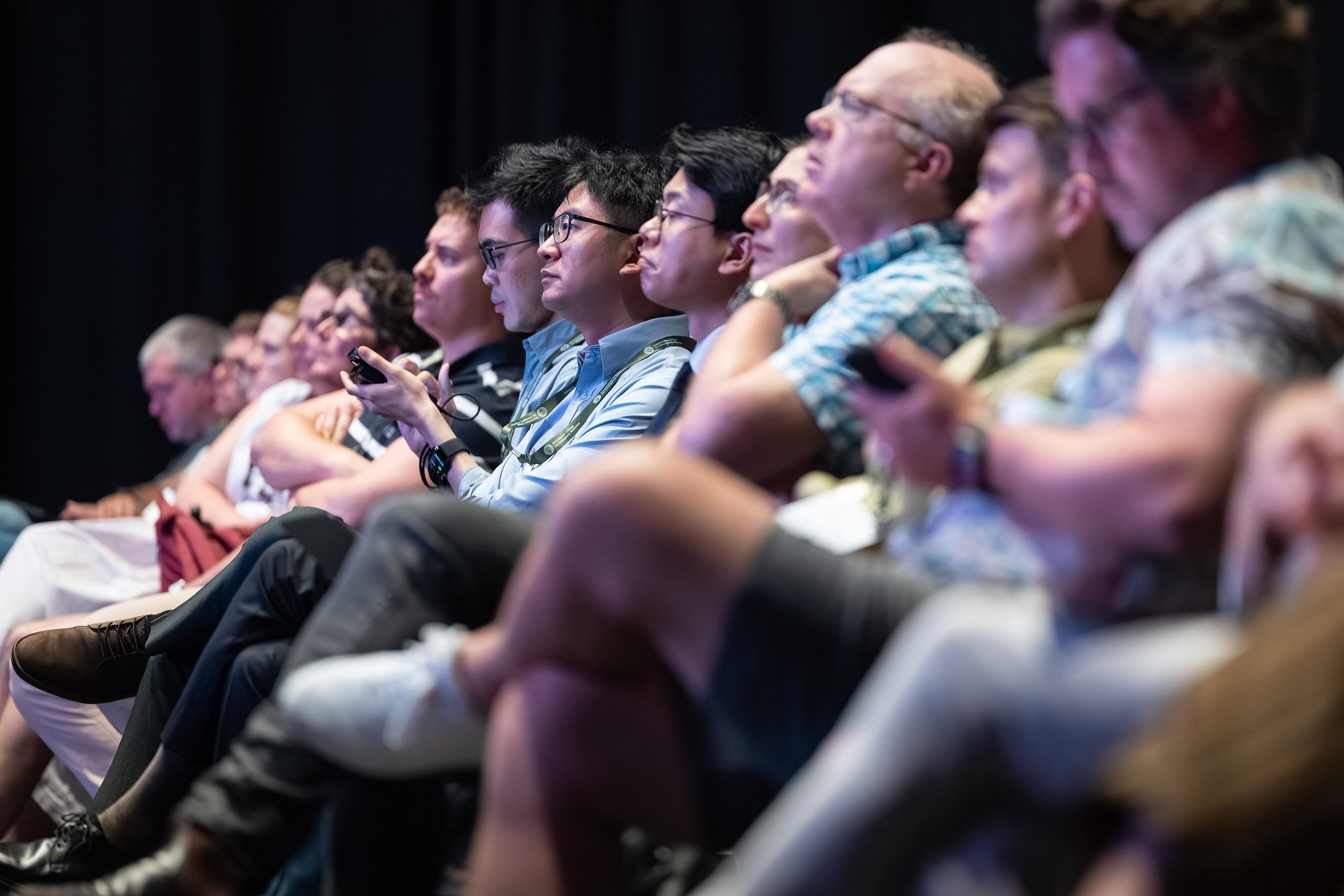
The emergency medicine community gathered on the Gold Coast in late November 2025 from across Australia, Aotearoa New Zealand and around the world to celebrate their specialty, share knowledge and new research, and connect with colleagues.
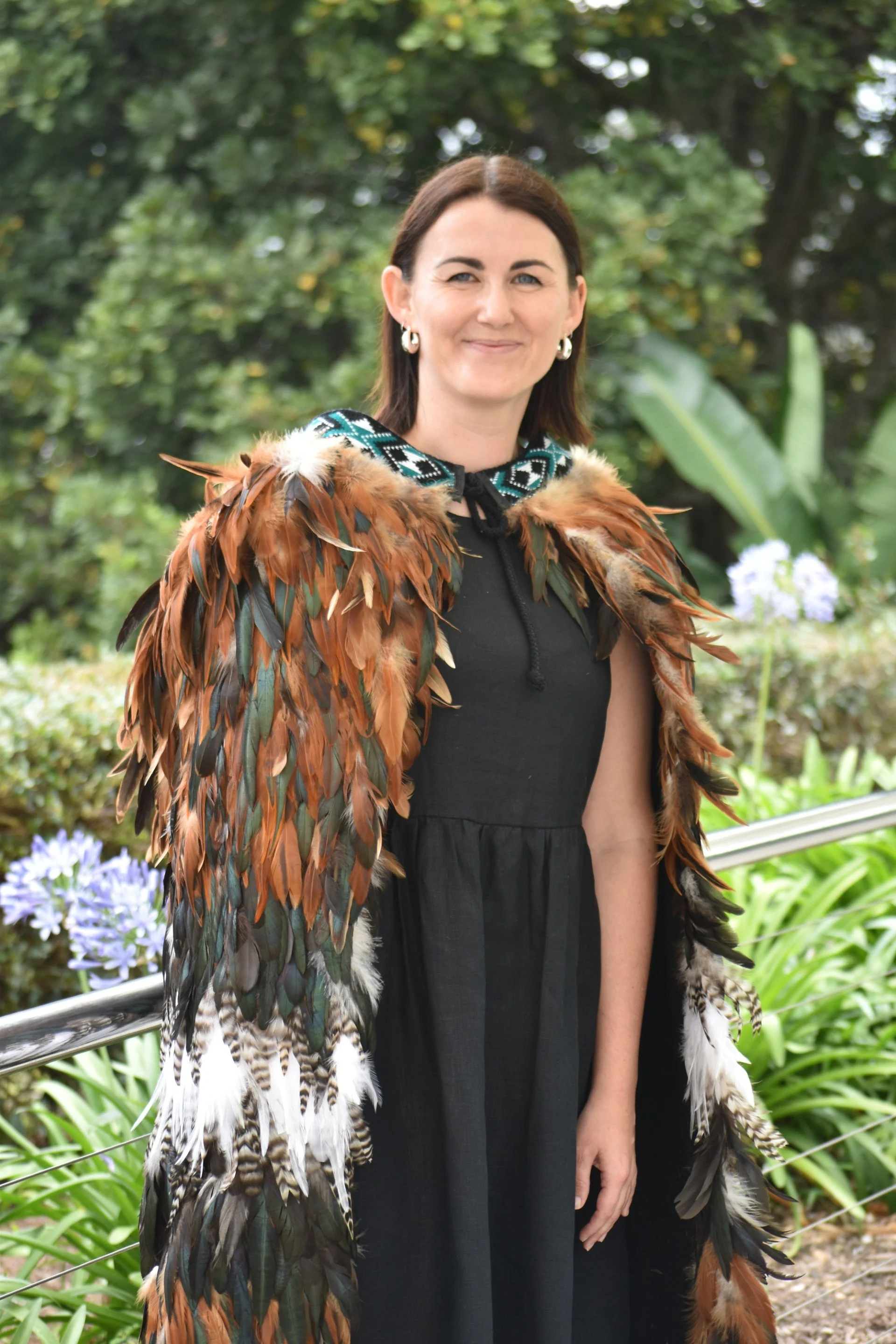
The ACEM korowai (Māori ceremonial cloak) is a prestigious garment which holds profound cultural meaning and significance. First worn by Past President Dr John Bonning at his inauguration in 2019, FACEM Dr Stephanie Bedford wore the korowai at the College’s graduation ceremony in late 2025.
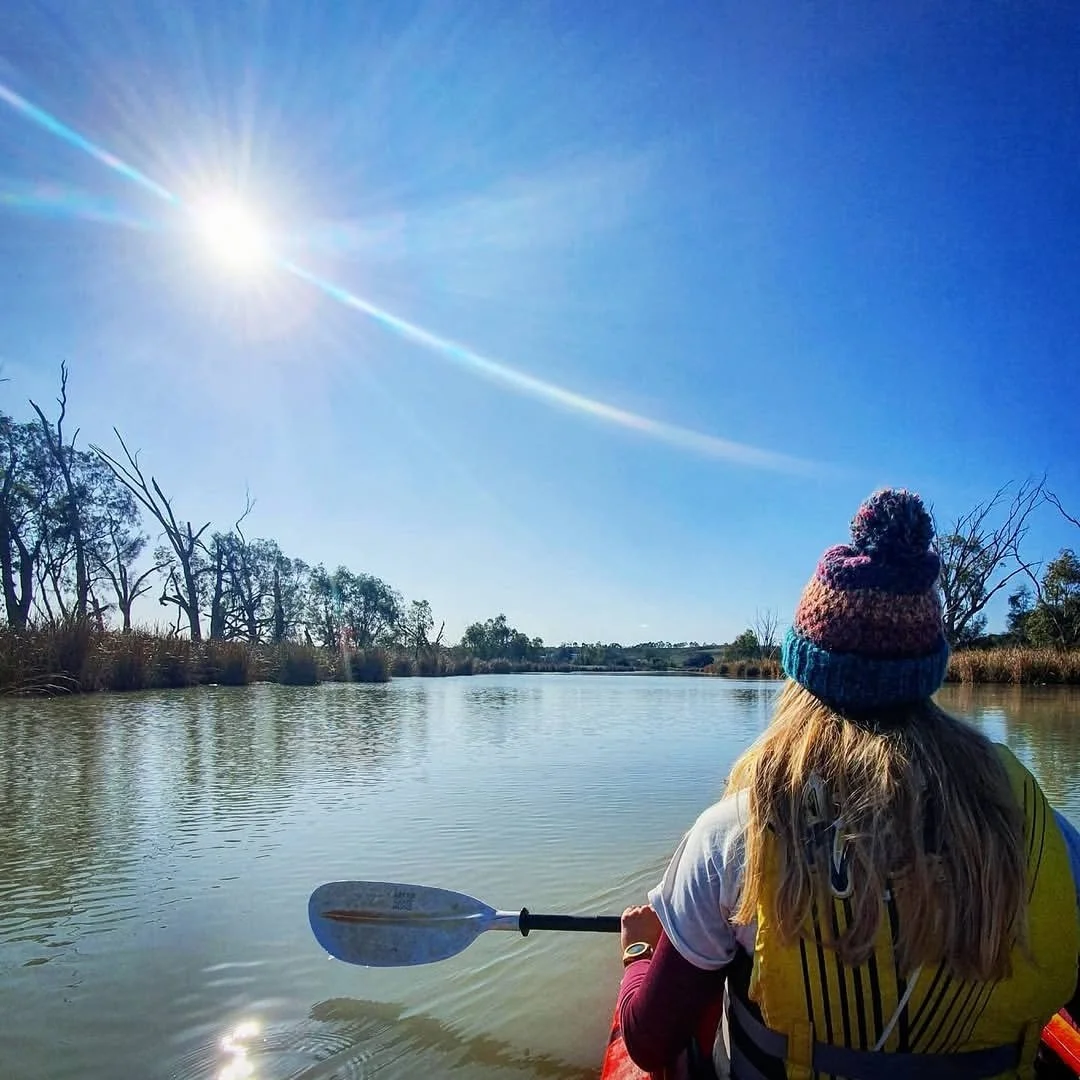
After a career spent working in resource-limited emergency medicine settings around the globe, FACEM Associate Professor Megan Cox received the International Federation for Emergency Medicine (IFEM) Humanitarian Award 2025 at the International Conference on Emergency Medicine (ICEM) this May in Montreal.
Emergency physicians with trauma skills have always been highly valued in the emergency department, and ACEM is looking to further build and enhance opportunities for ED physicians to develop their trauma managements skills and expertise. Programs and openings in hospitals across Aotearoa New Zealand and Australia are creating pathways for growing numbers of FACEMs to specialise, study, research and teach trauma medicine both within and outside of the ED.
“He aha ta mea nui o te ao? What is the most important thing in this world?
He tangata, he tangata, he tangata. It is people, it is people, it is people.”
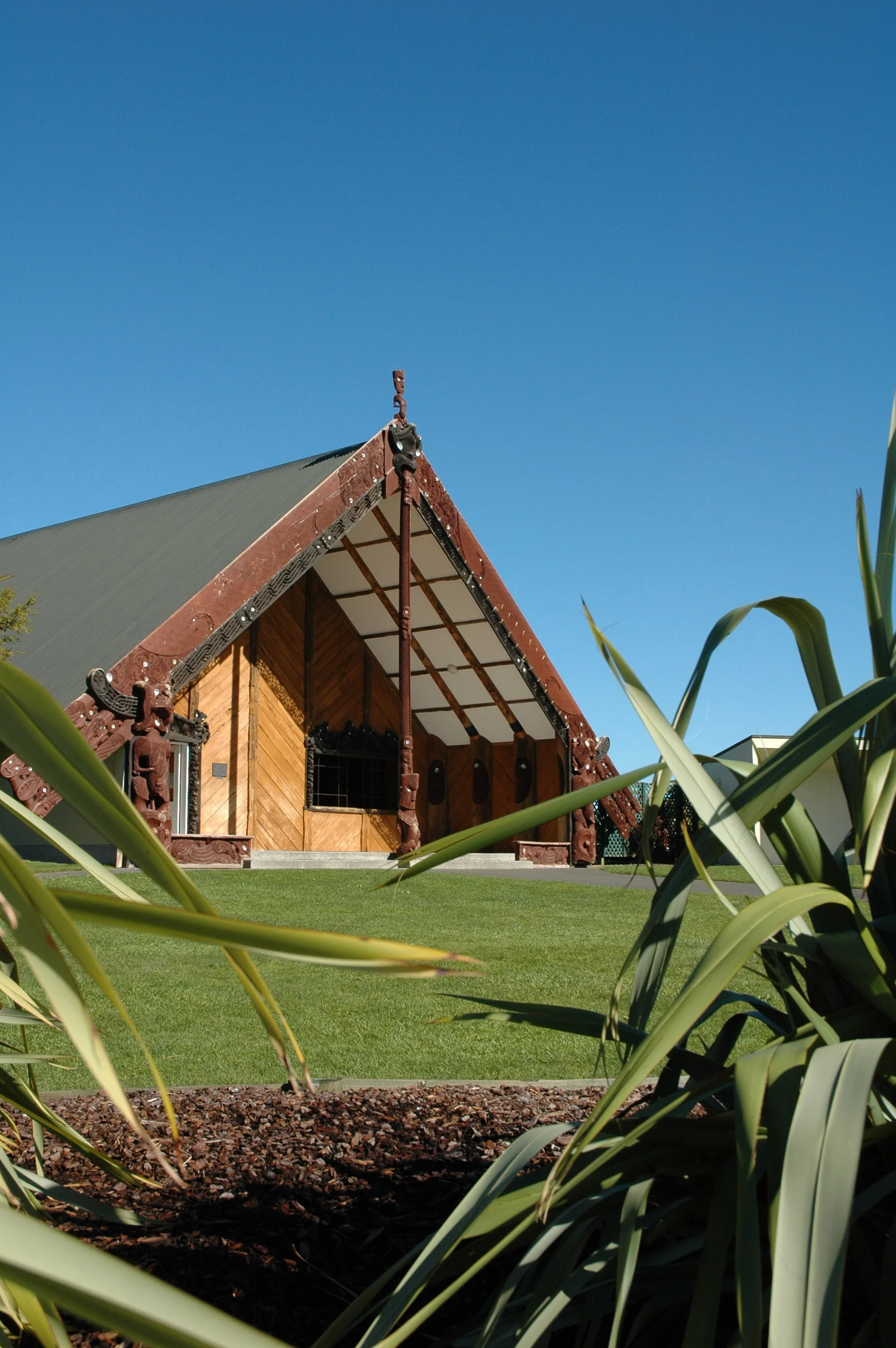
This was the enduring message for around 100 delegates who made the journey from around Aotearoa, Australia, Canada, and the United States to attend the Aotearoa New Zealand Emergency Medicine Conference 2025.
Dr Mangu Kendino, 2019 GEC Scholar now serving as emergency physician and director for emergency medicine training at Port Moresby General Hospital, has words of wisdom to share with new scholars about the benefits of the program.
Three years ago Albury Wodonga Health had just two ACEM trainees in its emergency department. Today it boasts eight trainees, with the regional ED becoming an option of choice for emergency physicians looking for career development opportunities.
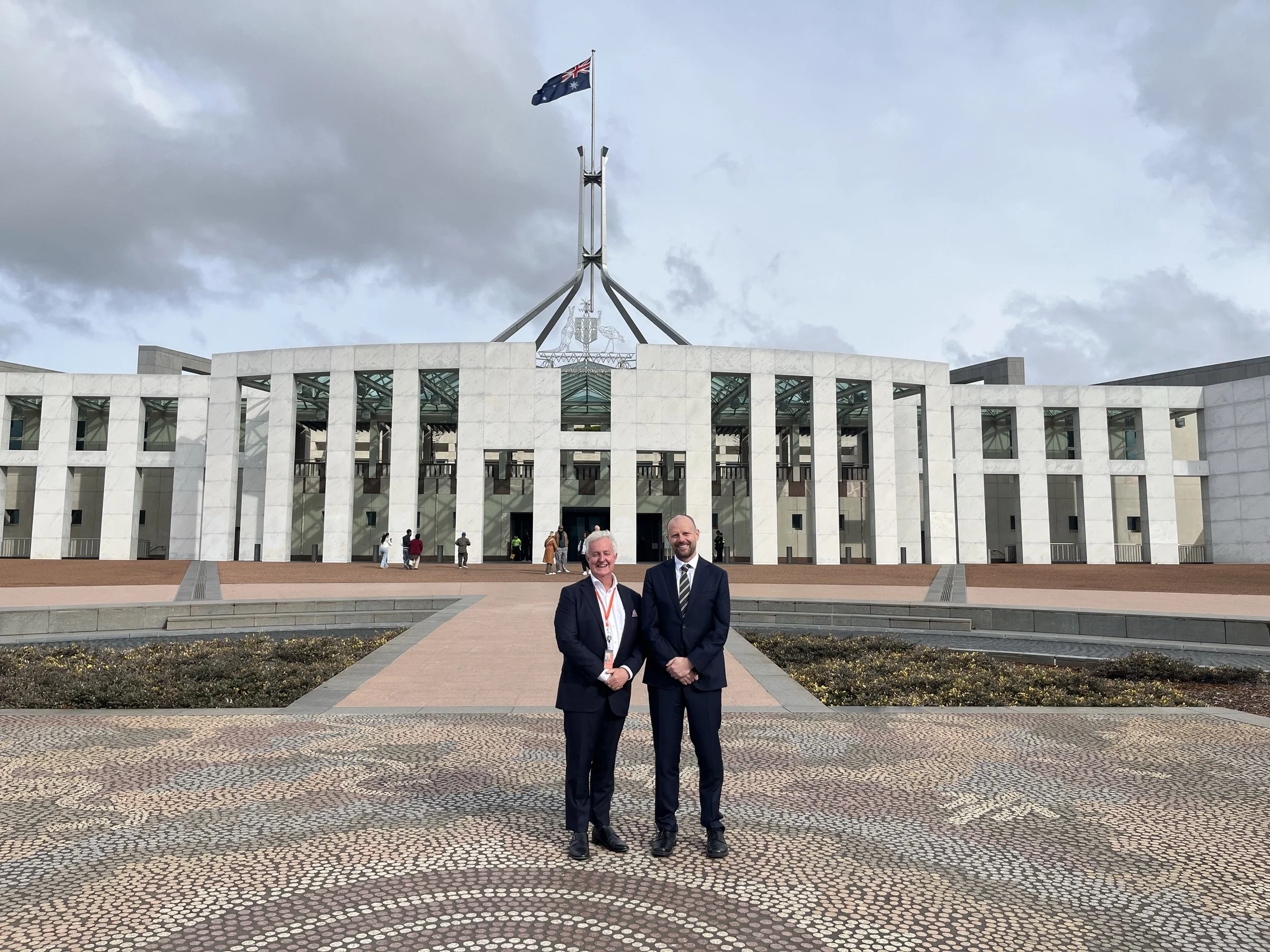
FACEM Dr David Green is looking forward to ‘towing a boat around Australia’ in retirement after nearly four decades as ED Director at Gold Coast University Hospital.
When Dr Olufemi Onikola passed a serious car accident on his way home, the new skills he had just learned at an Emergency Medicine Education and Training (EMET) session helped save the patient’s life.
Progress PoCUS workshops support trainees and FACEMs who are pursuing ACEM’s training and recommended ultrasound credentialing pathway to use point of care ultrasound in the ED.
The 2024 ACEM Annual Scientific Meeting (ASM) conference was held at the Adelaide Convention Centre from Sunday 24 November to Thursday 28 November.
The Equity and Inclusion session delivered at ACEM’s recent Annual Scientific Meeting (ASM) in Adelaide in November explored how greater inclusivity and understanding benefits workplace culture and patient outcomes in emergency departments.
The national Traumatology Talks Working Group within ACEM is exploring how social emergency care can be integrated into emergency medicine in Australia and what all emergency medical professionals can do to help improve the care of Indigenous patients.
ACEM’s Emergency Medicine Education and Training (EMET) provides education, training and supervision to doctors and other health professionals who are not specifically trained in emergency medical care – but it relies on funding to keep going.
Retired FACEM Dr David Taylor generously donated his collection of antique medical instruments and equipment to ACEM in 2019 – and each item in the display cabinet tells its own special story.
The inaugural Regional, Rural and Remote Emergency Medicine Conference 2024 celebrated the innovation that underpins the ways emergency medicine and health care professionals work together to heal communities.