Frontline futures: 2025 GEC Scholars shaping emergency care across the globe
In the face of conflict, disaster and limited resources, four extraordinary leaders are transforming emergency care systems in their countries. The 2025 Global Emergency Care (GEC) Scholars - representing Fiji, Papua New Guinea, Vanuatu and Nepal - embody resilience, innovation and a commitment to equity. Their stories reflect the power of investing in people to build sustainable emergency care systems in low- and middle-income countries (LMICs).
Leadership in adversity
Each scholar has stepped into leadership roles under extraordinary circumstances. From war zones to under-resourced hospitals, they have shown that courage and vision can thrive even in the most challenging environments.
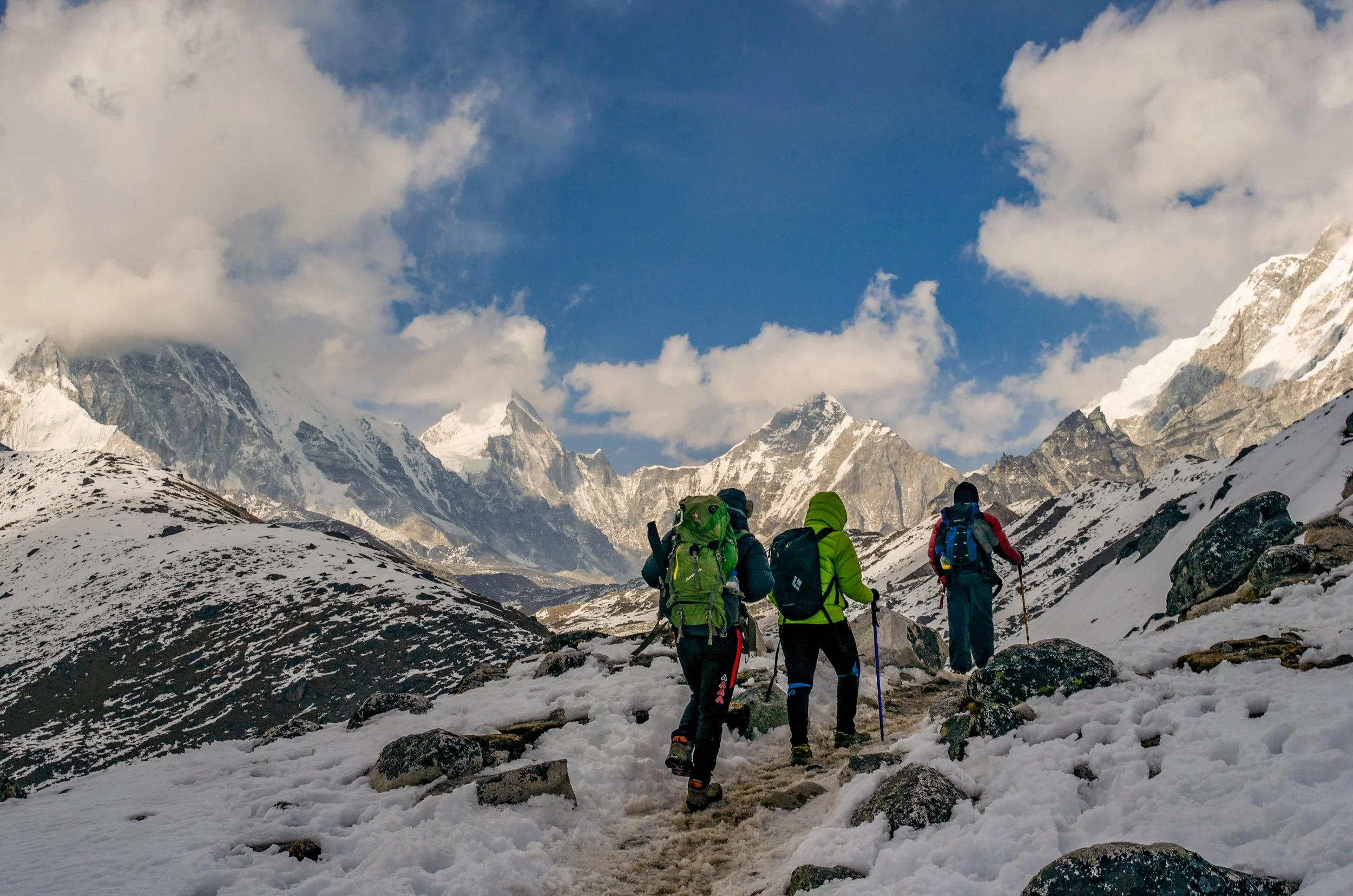
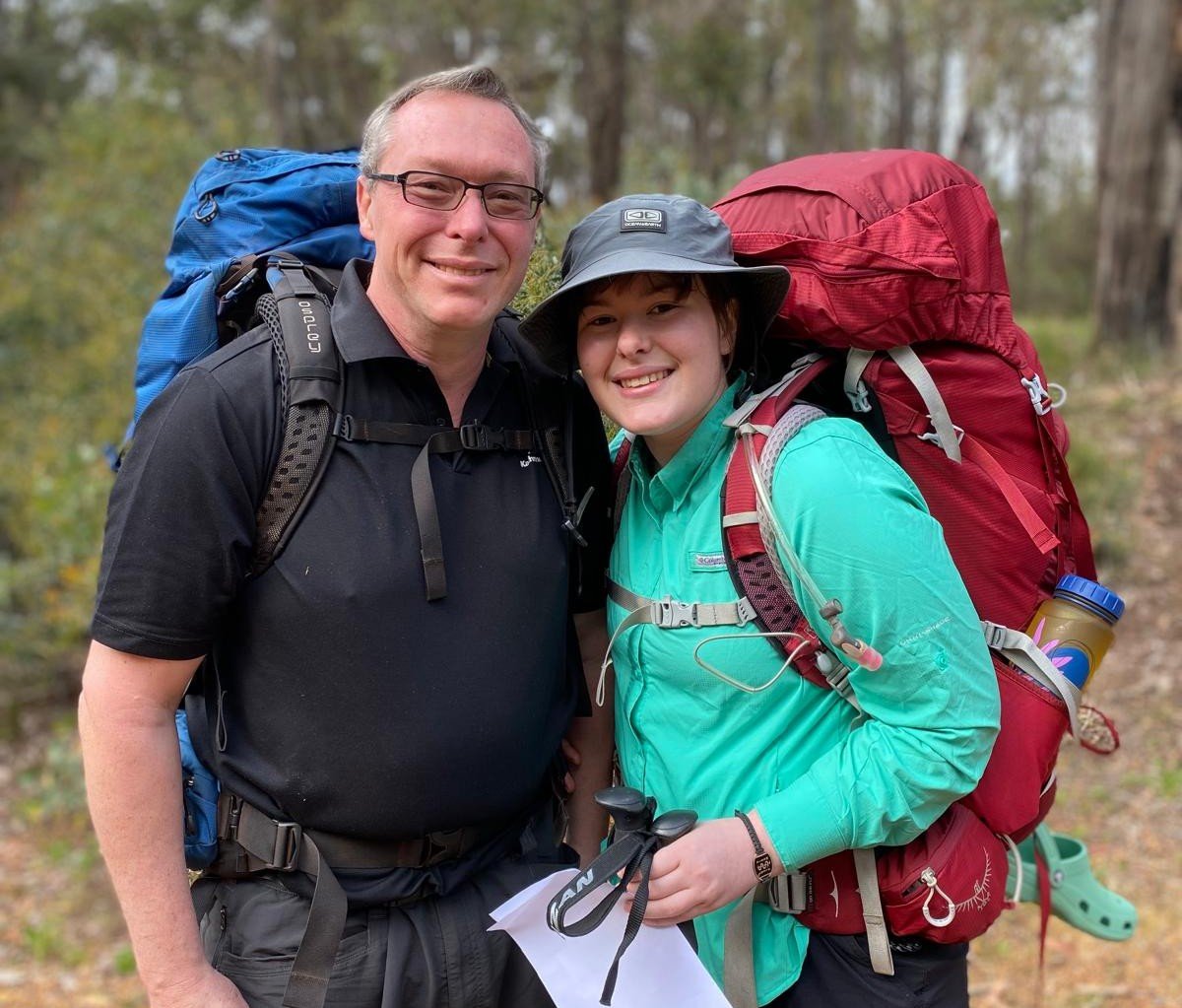
Tackling the Himalayas is all in a day’s work for Dr Bibek Rajbhandari, Head of Emergency at Nepal Police Hospital
Dr Bibek Rajbhandari, Head of Emergency at Nepal Police Hospital, also serves in the Nepal police force and is a PhD candidate in emergency medicine. He coordinated Nepal’s COVID-19 air evacuation.
‘Leading the air evacuation of Nepalese citizens from Wuhan was one of the most defining moments of my career,’ he said.
‘It was a high-pressure mission into “ground zero” at a time when the world knew very little about the virus. Logistically, it was incredibly complex. We had to transform a commercial aircraft into a bio-secure unit and manage the anxiety of the evacuees while ensuring the safety of my medical team.
‘The biggest takeaway was that preparation and adaptability are everything. We couldn't rely on established blueprints because none existed for a crisis of that magnitude. I learned that in a resource-limited setting, clear communication and strict adherence to infection control protocols are more valuable than advanced equipment.
“The biggest takeaway was that preparation and adaptability are everything. ”
‘It also taught me the vital importance of the psychological aspect of emergency care - managing fear is just as important as managing the airway.
‘That mission became the foundation for the protocols we later rolled out across the Nepal Police force.’
Sister Wilma Sebby has been Nurse Unit Manager at Angau Hospital Emergency Department (ED) for more than 20 years. Sr Sebby is also the first nurse Master Trainer for Basic Emergency Care (BEC) in Papua New Guinea (PNG) and a key contributor to national emergency care initiatives and training.
She originally planned to be a midwife but now leads PNG’s second-largest ED without specialist support. She advocates for demonstrating leadership, thinking outside the box and staying positive ‘even though there's chaos all around you.’
“Even though all our beds are 100 per cent full, there are still patients coming in ... Access block is a big-time problem with us.”
‘Even though all our beds are 100 per cent full, there are still patients coming in. We're putting them on the floor everywhere. Access block is a big-time problem with us.
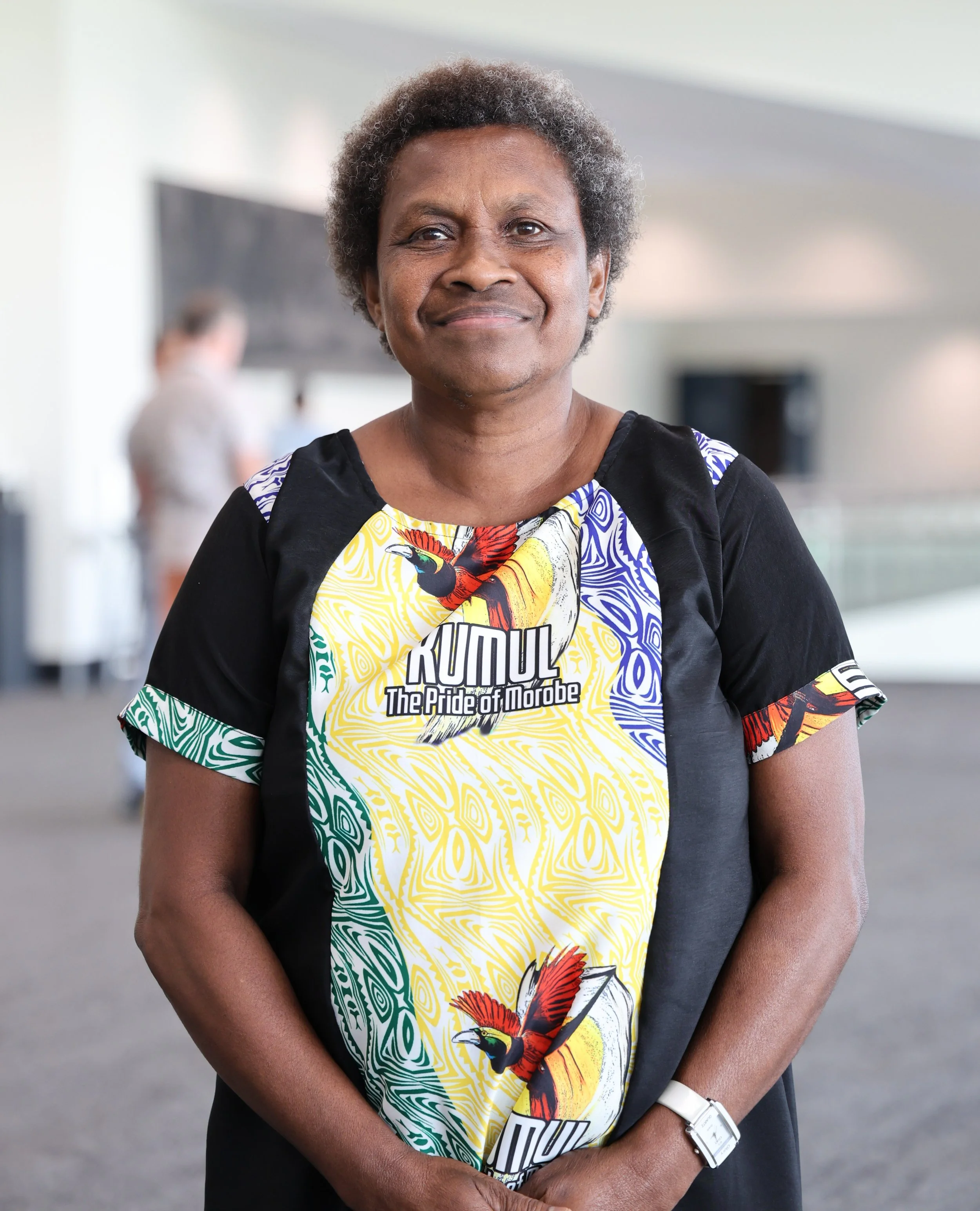
Sister Wilma Sebby is passionate about advocating for her team at Angau Hospital in PNG.
‘As the leader, everything stops at you. You have to find out how you can get things in order for your staff to work and continue giving care to patients. I love doing that and advocating for both the medical and the nursing team on the floor.
‘Even my hygiene staff rely on me. Right now we're going through a really difficult time with resource issues and it's not only medications, it is right down to our cleaning agents.
‘From top to bottom you need to be there for your staff, so your emergency department is still functioning.
‘I have a succession plan to train my senior nurses and bring them on board to get onto that responsibility of looking after the ED.
‘So when I go, everything doesn't collapse, there's still somebody there to carry on the work, the legacy. That's really important.’
Building emergency care from the ground up
These scholars are not just working within systems, they are creating them. Whether developing triage protocols, leading national training programs, or mentoring junior clinicians, they are laying the foundations for emergency medicine in their countries.
Dr Manisha Shankar is a Director of Fiji Advanced Cardiovascular Life Support (ACLS), training healthcare workers across Fiji and the Pacific. She is active in gender-based violence response training and advocacy and a facilitator for multiple emergency care training programs (MIMMS, HMIMMS, EMSB, EMST, APLS).
‘Fiji ACLS was set up in 2014 by Dr Anne Creaton, Dr Deepak Sharma, Dr Shivani Shailin and their team, who designed the training and adapted it to local resources.
‘In 2024, I became the National Director and, together with Sister Luisa Vodotagitagi, we have trained a total number of 352 nurses and about 200 doctors around the country,’ Dr Shankar said.
‘The plan for this year is to improve and update the reading materials through engagement with ACEM and ARC, make the workshop more environmentally friendly by going paperless and to set hospital and national standards in terms of certification requirement of staff with Fiji ACLS.
‘We have also received invitations from our neighbouring Pacific Island countries to conduct the training. The goal is to have an ALS training locally owned and run in every PIC.’
Dr Shankar said every workshop is an opportunity to learn how to be a better teacher, and on the different ways people are saving lives in their various settings. She credits a useful lesson learned from an overseas facilitator that ‘medicine is grey and that leaves very little room for dogma’.
“I often get humbled by the innovation shown by clinicians in resource-limited settings”
‘I often get humbled by the innovation shown by clinicians in resource-limited settings and I learned long ago that pushing our ways might not be the best approach, as every setting is different.
‘I am also very mindful of the resource challenges and how our colleagues in the rural and maritime areas often have to improvise to save lives. And, more often than not, they are able to achieve the same excellent results for their patients.
‘As a trainer working in the Pacific, I am learning to incorporate the Pacific or local way of teaching - that is, by listening more and adjusting and adapting - to local needs and ways of doing things.’
Dr Josefa Tokon, emergency registrar at Vila Central Hospital, completed his ACEM Associateship and is pursuing his postgraduate diploma through PNG. He has a vision for local training.
‘My passion in emergency medicine is education and training,’ he said. ‘I'm in training myself, but I aspire to have a structured training program to give the best opportunity and environment for young trainees to excel in the field of emergency medicine and to continue to help it grow.’
Gender and equity in emergency medicine
Several scholars are breaking gender barriers and advocating for inclusive care. Their leadership is not only reshaping emergency medicine but also inspiring future generations of women in healthcare.
Of her experience at ACEM’s Annual Scientific Meeting (ASM) as part of her scholarship, Sr Sebby found the greatest value in the sessions on leadership and gender equity.
‘I'd really love to see more nurses becoming emergency nurses. I'd also like to encourage nurses to become involved in research, to enhance our knowledge and skills and improve our practice. That’s the way to go.’
‘It's a good thing to come and share our struggles,’ she said. ‘And if I can learn new things that I can pick up and go back and try and implement them to make a little change and make a difference.’
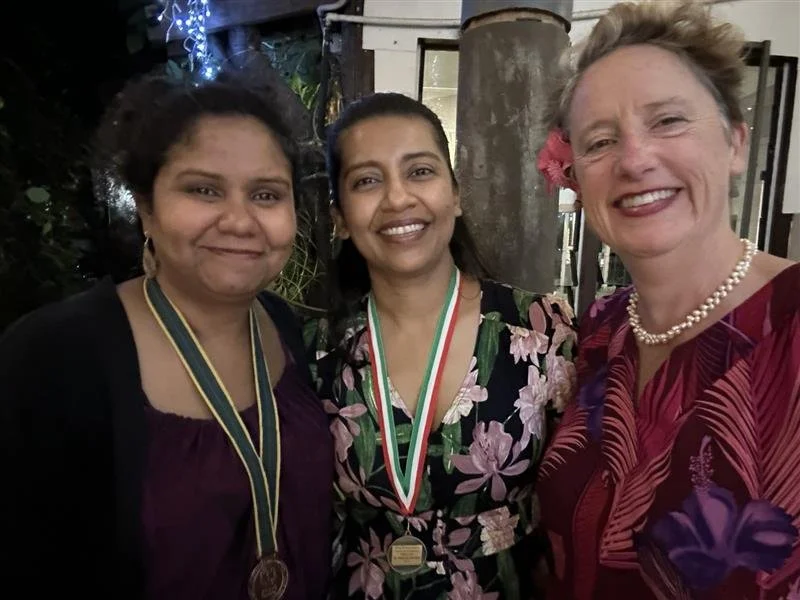
Improving gender equity is also a priority for Dr Shankar. As lead author of the research paper ‘Learning from the lived experiences of medical women working and studying at the national hospital in Fiji: A mixed methods study’, she received the 2025 ACEM Global Emergency Care Research Award at the ASM along with co-authors Associate Professor Georgina Phillips and International Affiliate Dr Shivani Shailin (pictured right).
‘My research talked about the gender disparity against women in the Masters program, focusing on the issue of lack of allowance for maternity leave during the training program.
‘As our current postgraduate training in medicine is through a university, the program is quite inflexible, and this disproportionately affects women who experience a “perfect collision of biological and professional clocks”.
‘I am hoping that our research has shed some light on the plight of women pursuing postgraduate training while working at the Colonial War Memorial Hospital (CWMH). This, we hope, will translate to improved working conditions for women in the hospital.’
Regional collaboration and knowledge exchange
The scholars are part of a growing network of global emergency care collaboration, facilitated by ACEM and its partners. Their participation in ACEM’s ASM 2025 represents a bridge between LMICs and high-income countries.
Both Dr Tokon and Dr Rajbhandari completed their observerships in Australia, with Dr Rajbhandari working at Westmead Hospital in Sydney.
‘Collaboration with FACEMs has been instrumental in my professional growth and the development of emergency care in Nepal,’ he said. ‘We have excellent clinical exposure in Nepal, but we often lack the structured systems and research methodologies that FACEMs have mastered.
“The mentorship I receive from the ACEM community empowers me to build a sustainable emergency medicine infrastructure for my country.”
‘Working with experts like FACEM Dr Kavita Varshney has shown me how to adapt global best practices into a resource-limited reality. It is not just about copying Australian protocols; it is about shared learning.
‘FACEMs teach us about clinical governance and evidence-based research which is crucial for my current PhD and in return, we share insights on managing complex cases with minimal resources. This partnership is vital because it moves us from short-term aid to long-term capacity building. The mentorship I receive from the ACEM community empowers me to build a sustainable emergency medicine infrastructure for my country.’
Emergency medicine as a tool for health security
Emergency care is increasingly recognised as a pillar of public health resilience. These scholars are leading efforts to prepare for, and respond to, disasters, outbreaks, and mass casualty events.
Dr Rajbhandari’s dual roles as doctor and police officer place him in a unique position to facilitate change.
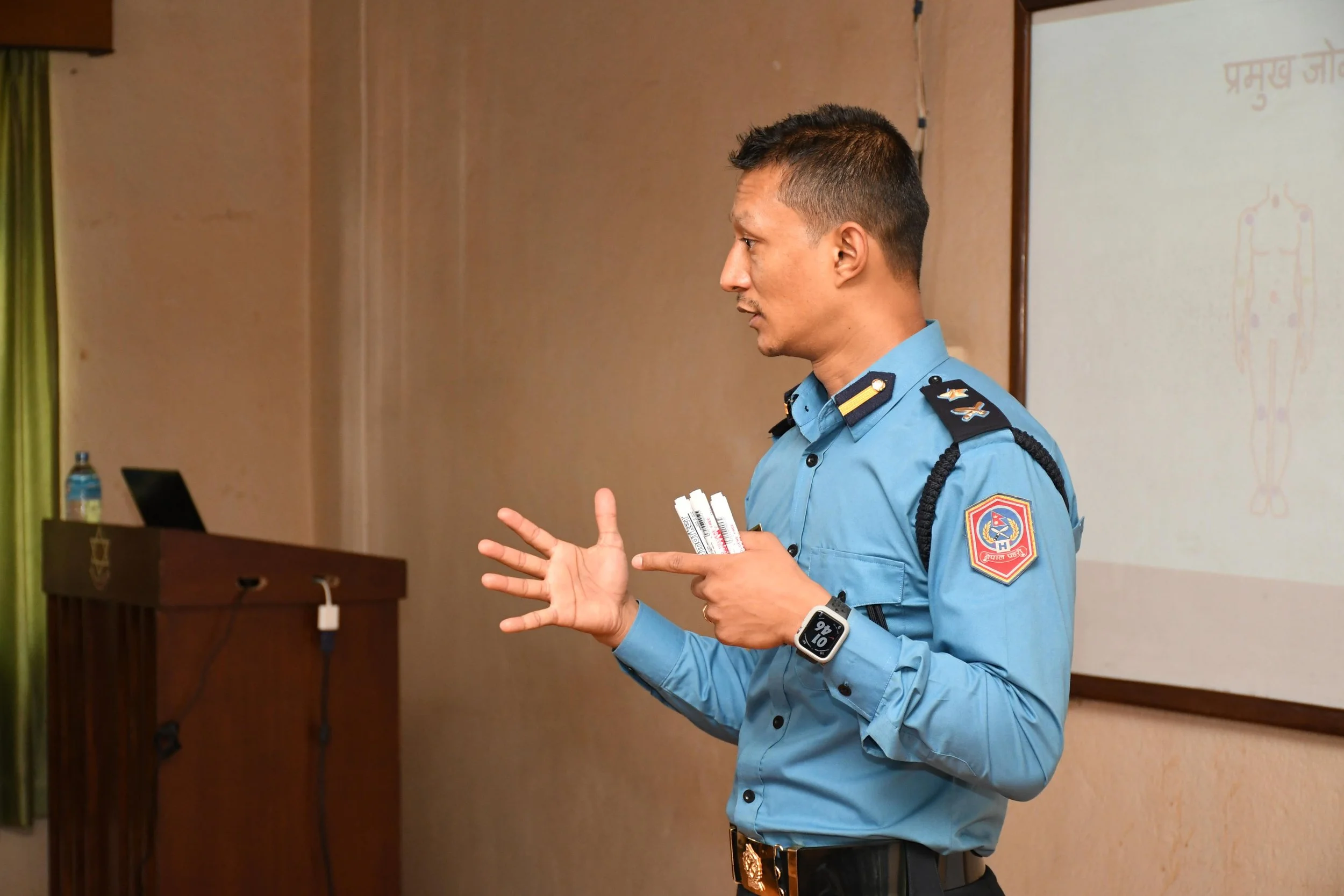
Dr Rajbhandari serves as a doctor and police officer
‘My work sits at the unique intersection of law enforcement and healthcare. In Nepal, the police are often the true first responders to disasters like earthquakes or floods, yet historically, they lacked medical training.
‘My focus has been on bridging this gap. I worked to develop the National Ambulance Service Guidelines to standardise pre-hospital care. During the pandemic, I authored the Dead Body Management Protocol, which was critical for maintaining dignity and safety during the crisis.
‘Currently, my work focuses on scalability. I don’t just write protocols, I train the trainers. Through programs like the Hospital Preparedness for Emergencies (HOPE) and Medical First Responder (MFR) courses, I ensure these protocols are practical for the officers on the ground.
‘My goal is to create a system where a police officer in a remote village has the same foundational response framework as a paramedic in Kathmandu.’
Investing in people, not just systems
The GEC Scholars exemplify how investing in individuals leads to sustainable system change. Their leadership is already creating ripple effects - training future clinicians, influencing policy and inspiring others to follow in their footsteps.
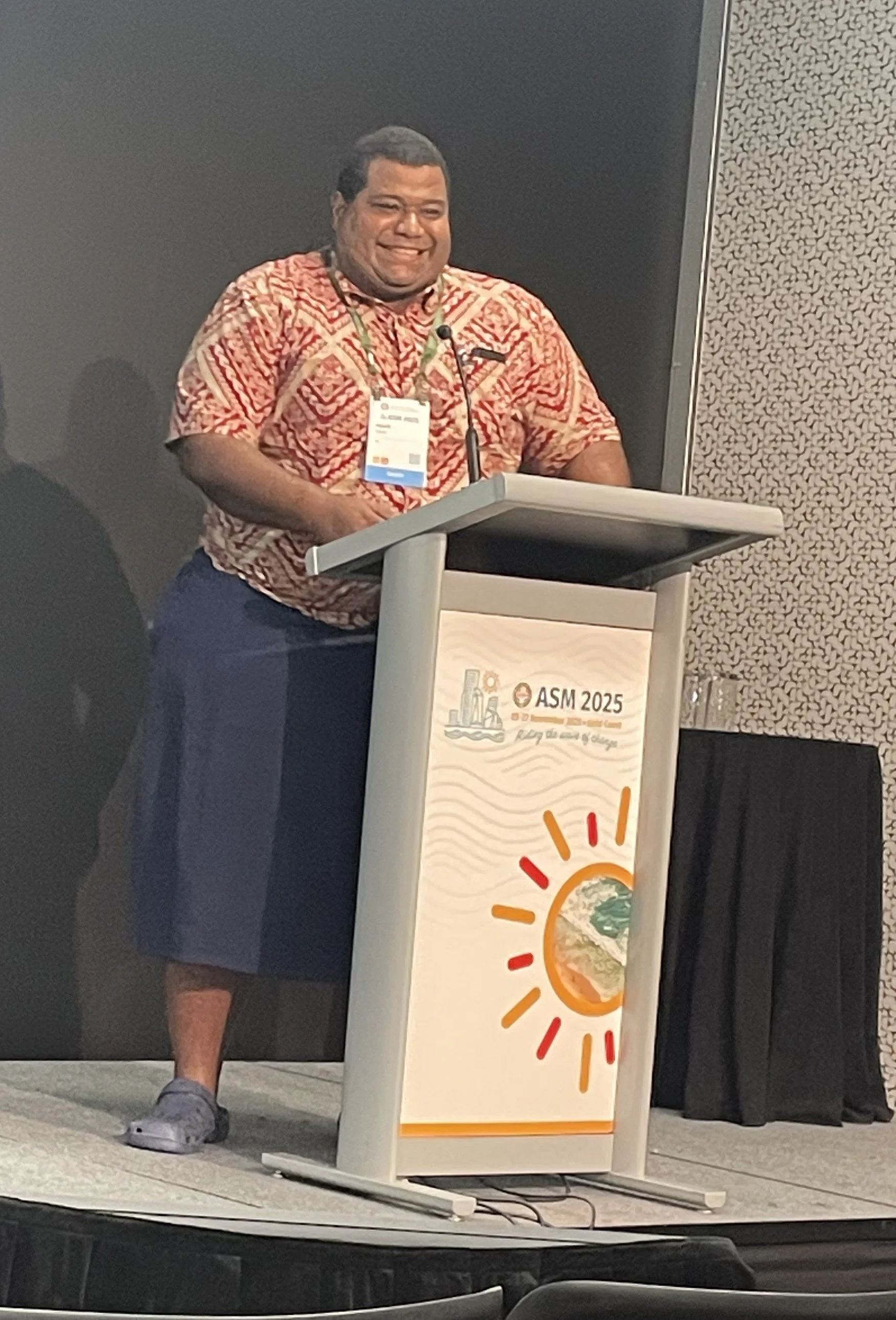
Dr Tokon spoke about the importance of mentorship
Dr Tokon believes identifying, supporting and mentoring interns can help build capacity in Vanuatu.
‘One of the pivotal people in my career, as an intern, was Dr Vincent Atua out from Papua New Guinea. He exemplified the type of leadership that I am trying to continue - being able to identify someone with potential and let them know that they have potential to excel in a certain field.
‘He was the person that told me as an intern, “You are good at this, and if you want to enter this field, I think you can excel”.
‘Just having that encouragement pushed me to continue to drive forward and push into the field of emergency medicine. ‘I think mentorship plays a huge role in giving confidence.’
Looking ahead
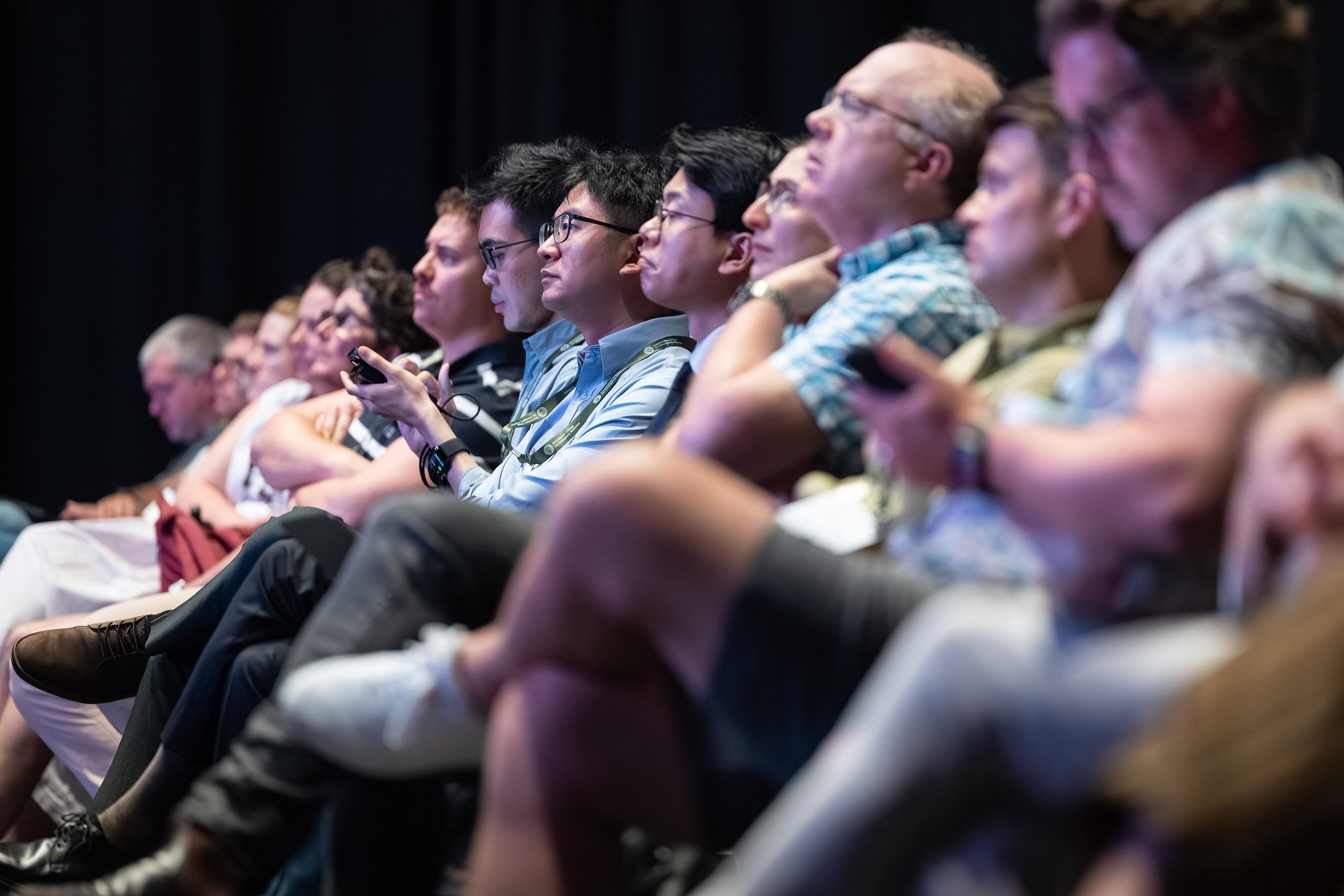
At their presentations at the ACEM ASM 2025, the scholars shared their experiences, challenges and innovations with a global audience. Their participation is not just a milestone, it’s a catalyst for future collaboration, learning and impact, and an opportunity for their country and career.
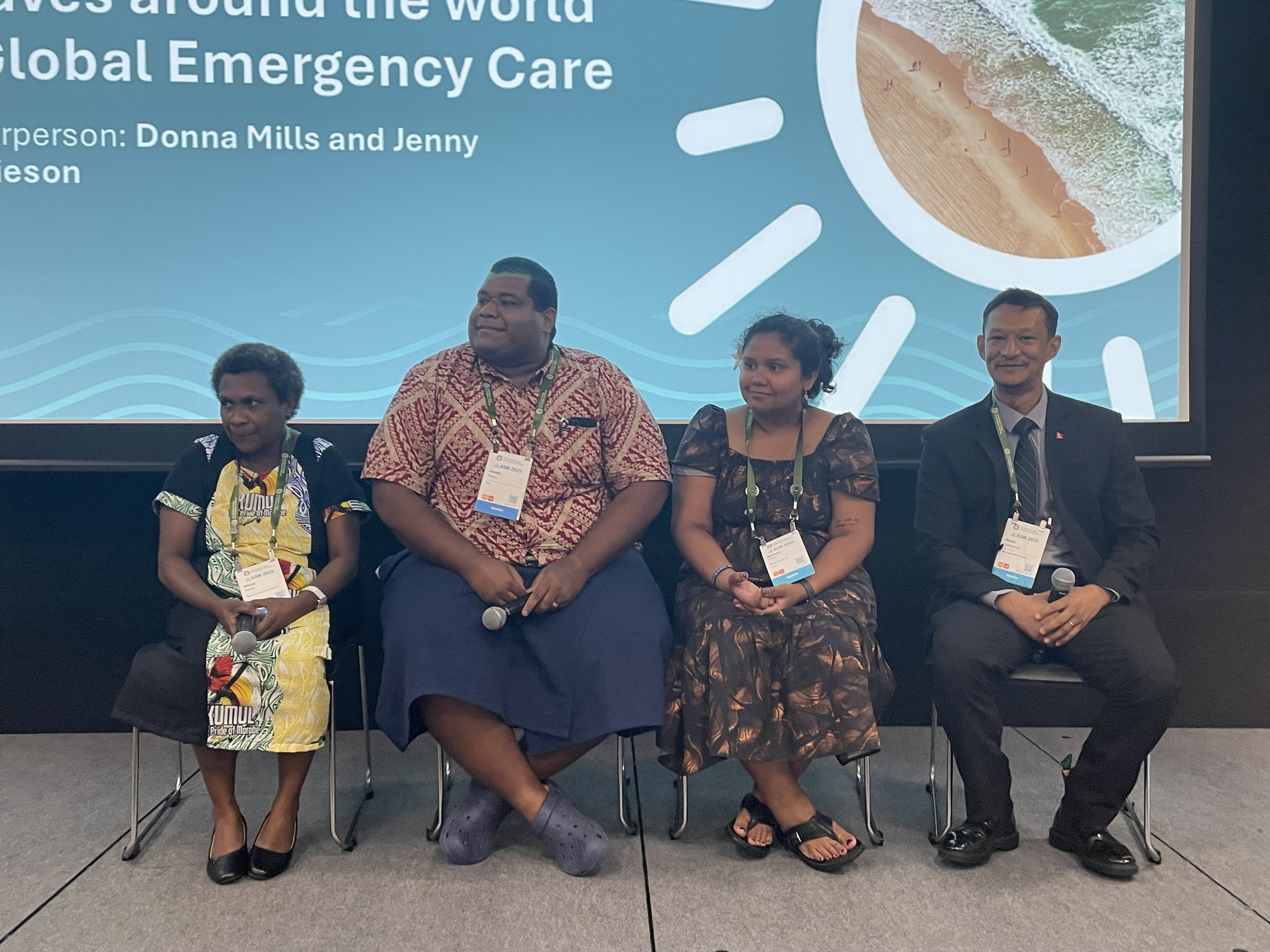
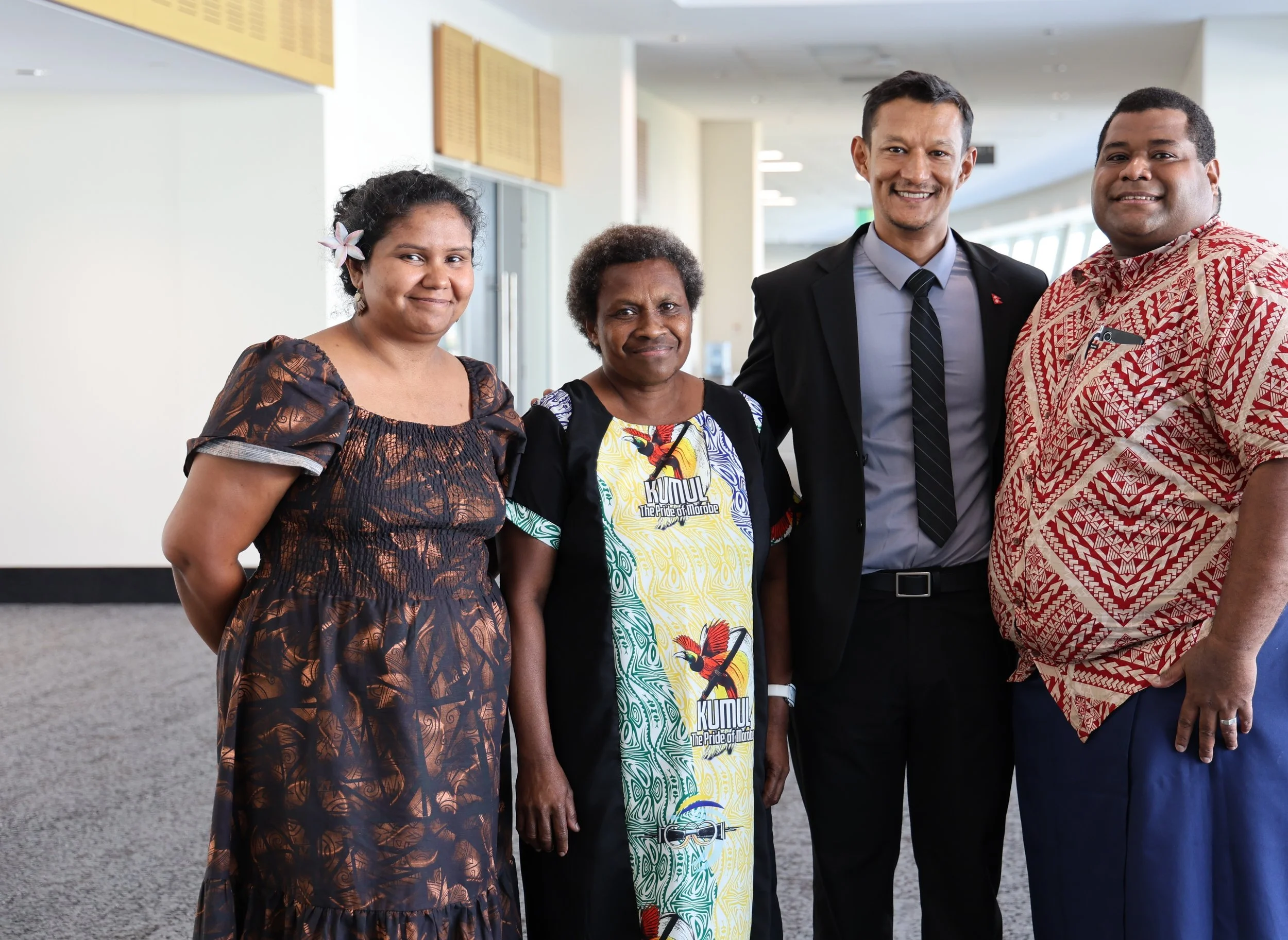
Sr Sebby, Dr Tokon, Dr Shankar and Dr Rajbhandari took part in a panel discussion following their presentations at the ASM.
‘I want to bring back home the importance of networking and taking advantage of these kinds of opportunities to make those connections to people that you can learn from and people that can assist you,’ Dr Tokon said.
‘There's nothing wrong with asking for help if you know it's going to benefit how best you can care for your patient. So, finding those people who can help you implement systems that improve your emergency care, I think that's what I want to bring back to my team.’
Dr Shankar was also looking forward to returning home with new knowledge gained in the spirit of collaboration.
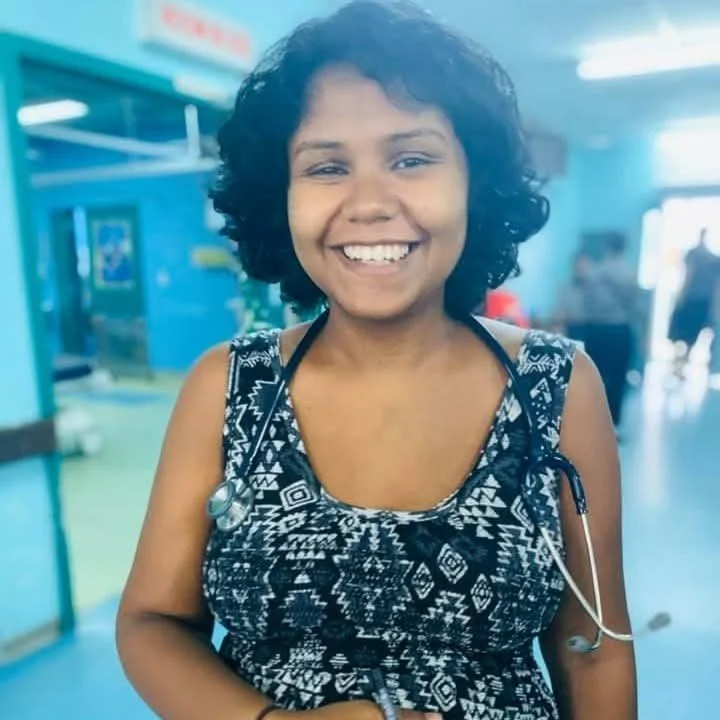
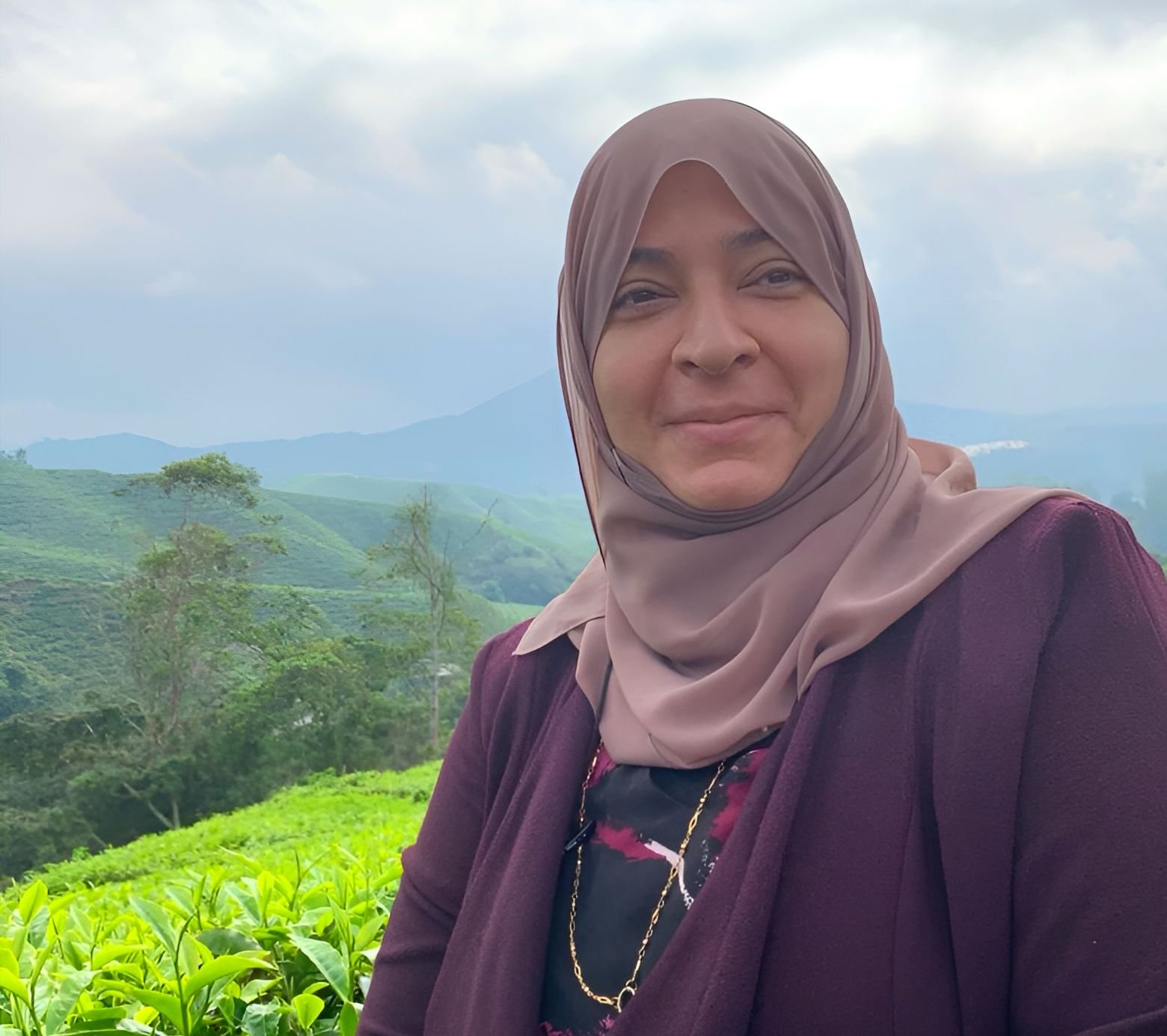
Dr Shankar, pictured early in her career, hopes to initiate change so that young colleagues ‘don't go through the things that we went through’.
‘The biggest thing I want to learn is how to be a good clinical leader when I go back,’ she said.
‘I'm trying to listen to all the seniors talking about things like compassion in the emergency department - compassion towards your colleagues, to your juniors, how to inspire them, how to mentor them so they don't burn out, and don't go through the things that we went through and make the path a bit easier for them. And how to show compassion to our patients and staff.
‘These are the things that I want to take back from this conference.
‘I want to inspire our junior doctors and make it possible for them to come to conferences like this. I came to present on the challenges that my country faces.
‘It’s so validating to see that other colleagues of ours from the other countries face the same problems, perhaps bigger problems than us. And I think it helps us slow down our burnout, because you get to bounce ideas off your other colleagues.’