Closing the gender gap in medical publishing
While female FACEMs play a key role in delivering care in EDs across Australia and Aotearoa New Zealand, women are less visible as editors and authors of medical textbooks which define and shape how emergency medicine is taught, practiced and assessed. As we commemorate International Women’s Day and its 2026 theme ‘Balance the Scales’, ACEM spoke to two FACEMs who have recently published medical textbooks to learn about their experiences and views on how to bridge the gender gap in medical publishing.
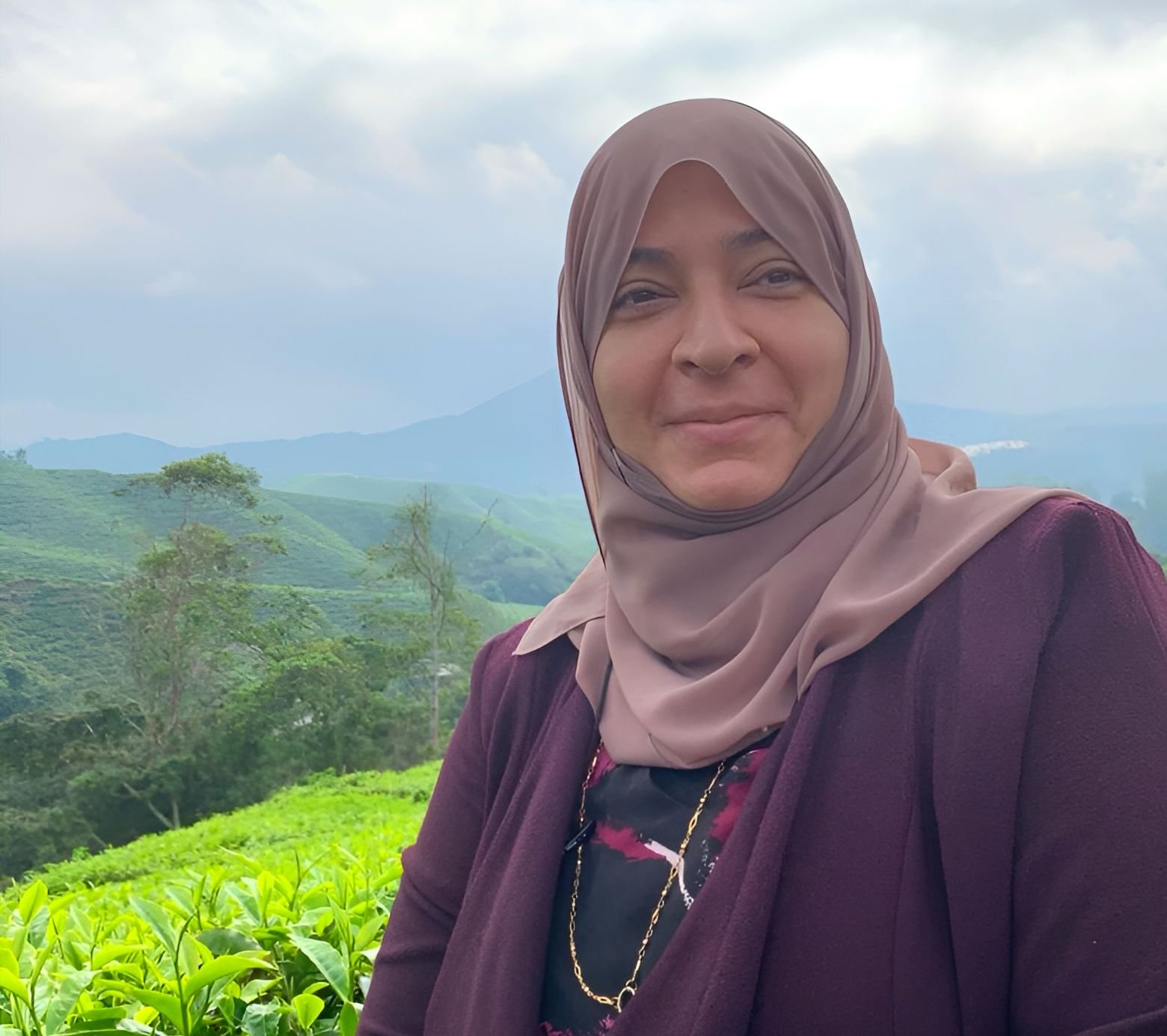
Dr Nemat Alsaba
FACEM Dr Nemat Alsaba (Gold Coast University Hospital and Bond University, and Deputy Chair of ACEM’s Geriatric Emergency Medicine Network) discovered her love for emergency medicine as an intern, drawn to ‘the intellectual challenge it brings every day and the skillset you need as an emergency medicine physician, covering every specialty and sub-specialty, from EMT to paediatrics.’
Nemat said she had an early interest in academia, which has come to fruition as one of four editors who worked together on the textbook Comprehensive Healthcare Simulation: Geriatric Simulation (2024) – a three-and-a-half-year process from conceptualisation to publication. ‘It was a labour of love, unpaid, and required real dedication.’
The textbook, her first, stemmed from Nemat’s passion for geriatric emergency medicine, simulation, and medical education. Over the past decade, she combined these passions to develop workshops, simulations, and educational resources to train and upskill clinicians in caring for the ageing population. She sensed a strong desire and enthusiasm to learn more about these topics during the workshops and educational sessions she delivered both nationally and internationally.
‘One way to enhance the workforce's ability to provide better care for our ageing population is to improve simulation training for the care of older persons, which eventually resulted in this book, a collaborative effort between Australian and Canadian simulation experts,’ she said.
A rewarding and collaborative experience
“‘There is an underrepresentation of female doctors in academic publishing, both as editors and authors, with both structural and systemic issues contributing to the gender gap.’”
Nemat found the experience of creating a textbook rewarding, ‘especially going from that initial idea to holding the published book in your hands and having that opportunity to develop collaborative relationships with like-minded academics.’ She acknowledged however that there were challenges such as deciding on the key authors and adhering to strict deadlines which required clear communication with authors across the textbook chapters.
Even though the four editors of the textbook were all female, a rare situation, Nemat said that there is an underrepresentation of female doctors in academic publishing, both as editors and authors, with both structural and systemic issues contributing to the gender gap.
Structural and systemic barriers
Women’s career and family responsibilities may limit their ability to pursue opportunities in academia, leading them to delay or avoid pursuing them altogether, Nemat said. However, she also believes that assumptions are often made that women have too much on their plates, which prevents others from approaching them. ‘For example, assuming they’ve just had a baby and are overwhelmed, leading them not to even be asked to participate. Yet, for some women, this could be the best time to contribute to academia.
‘It involves trusting in the person's abilities, recognising their potential, engaging with them directly rather than assuming they cannot do it, and giving them the opportunity to decide for themselves.’
She also encouraged women to proactively pursue academic opportunities.
“‘It is often assumed that women are too busy to take on new or extra tasks, which might discourage others from asking. However, I strongly encourage scholars to invite more women into academia.’”
‘It is often assumed that women are too busy to take on new or extra tasks, which might discourage others from asking. However, I strongly encourage scholars to invite more women into academia. When women truly believe that an action is important, they naturally prioritise their responsibilities, seek out ways to fulfil them, and carry out their tasks with dedication and excellence.’
The way forward – mentorship and peer support
Providing mentorship and peer support is crucial in encouraging women to take on a greater role in academia and improve representation for future generations – a role that both female and male academics can take, Nemat said.
‘That’s something we can work on and aim to improve, helping to create opportunities for women in academia.’
She also emphasised that when selecting authors for books or chapters, it is important to actively and intentionally seek out and nominate qualified female authors. ‘If you don’t do this, that’s a missed opportunity.’
What is her advice for women emergency doctors contemplating academia?
‘If it’s your passion, pursue it bravely. Trust your judgment to choose the right timing and how it fits with your career and life goals. It’s also about recognising the right moment and the right people.
‘Don’t hesitate to seek advice and mentorship from fellow academics.’
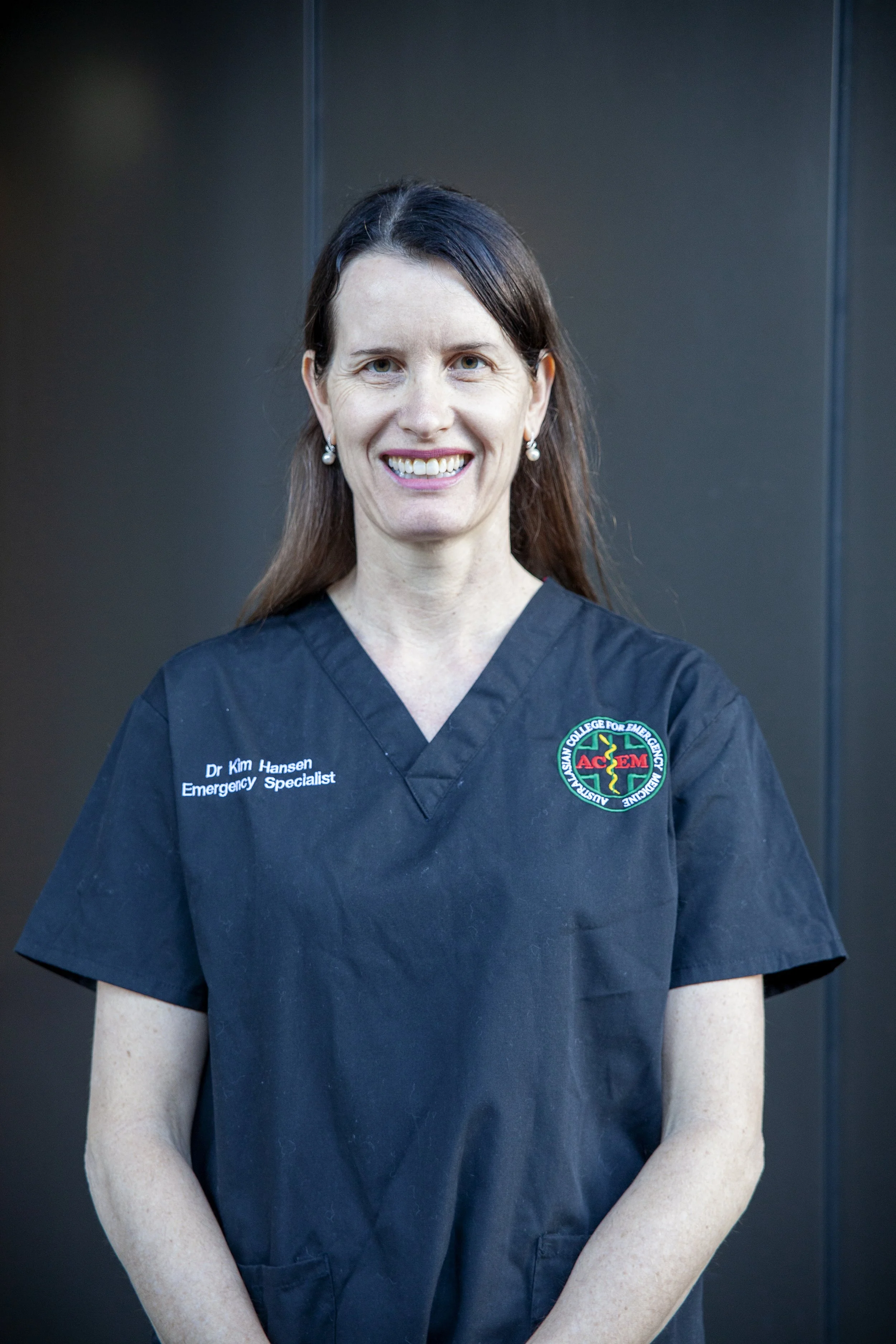
Dr Kim Hansen
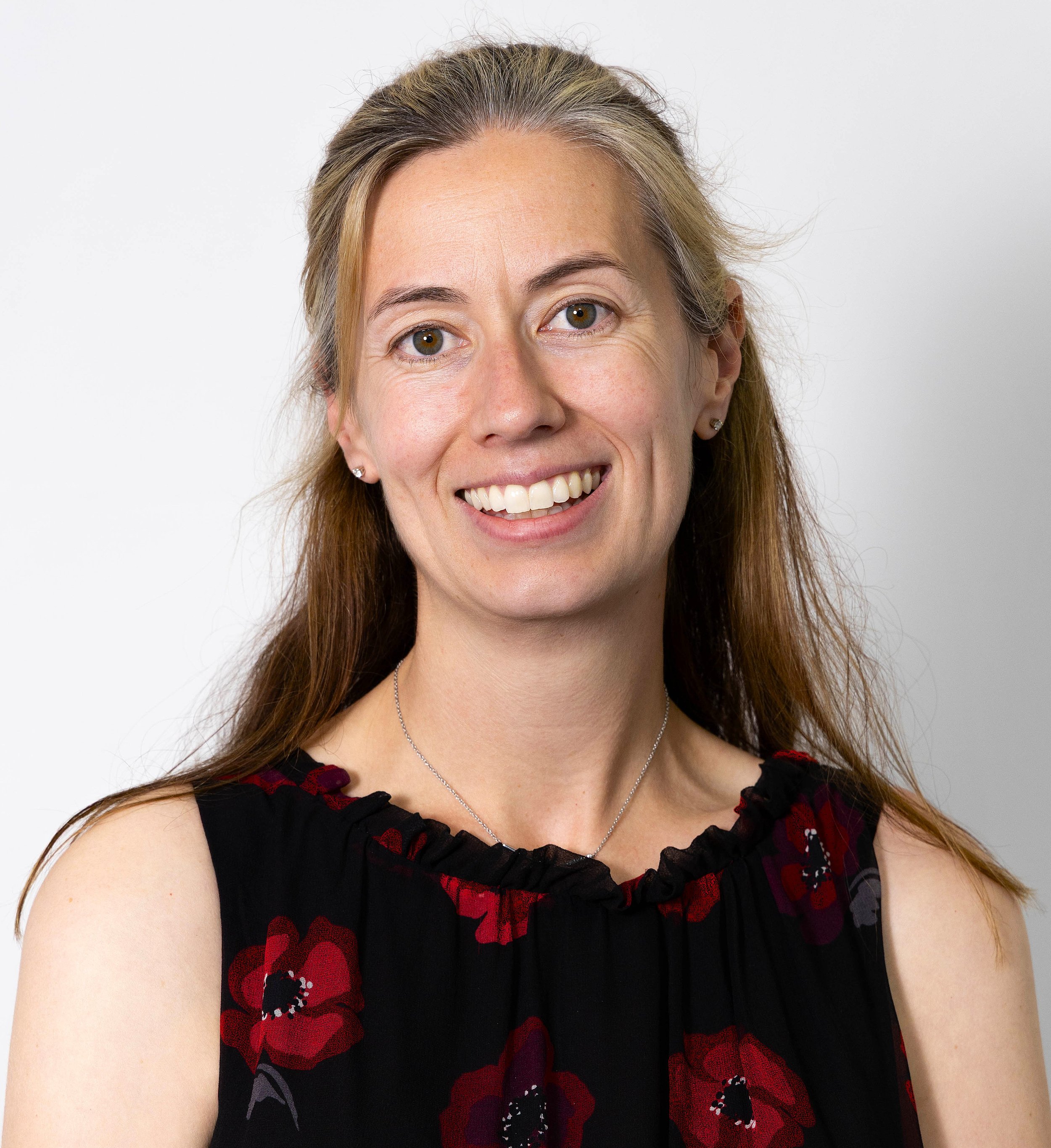
FACEM Dr Kim Hansen (Redcliffe Hospital, Queensland Virtual Hospital and an executive member of ACEM’s Advancing Women in Emergency Network), was drawn to emergency medicine in her intern year at Gold Coast Hospital. ‘It is team based, action packed and you’re helping people when they need it the most.’
Kim began her academic career when she put herself forward for projects and committees. ‘I had the opportunity to write some papers, with the first one being about analgesia in emergency departments.’ She also contributed to authorship and publications through the Emergency Medicine Events Register, known as EMER, an online platform for doctors to report adverse events.
Kim said that other opportunities arose, including being asked to write the Quality Improvement chapter for the Textbook of Adult Emergency Medicine, 5th edition (2020) and four chapters in Decision Making in Emergency Medicine (2021). Most recently she contributed as an editor to the sixth edition of the Textbook of Adult Emergency Medicine (2025).
Contributing to knowledge and supporting first-time authors
‘It was an awesome opportunity to contribute to the knowledge base out there and be part of something that’s bigger than one person, with over 100 different authors.’
“‘It was an awesome opportunity to contribute to the knowledge base out there and be part of something that’s bigger than one person, with over 100 different authors.’”
The process, which she described as collaborative, included dividing the content into five parts with editors responsible for particular sections, coordinating the authors, finding new authors and at times helping to develop new chapters.
She said contributing to the textbook was a very rewarding experience and a highlight was bringing in new authors.
‘They provide a different lens on the material, they bring a lot of enthusiasm and for many it’s their first time being part of a chapter authorship process so it’s nice to be a part of that with them.’
Another highlight is that for the first time the Textbook of Adult Emergency Medicine included an indigenous chapter, after the editors were approached by First Nations’ emergency medicine doctors in Australia and Aotearoa New Zealand. ‘We were starting from scratch, considering what our audience wanted and needed to read and learn on this important topic.’
Gender gap – from time constraints to implicit bias
“ ‘Confidence can be an issue, and that’s part of the socialisation of how we’ve been brought up.’”
Turning to the issue of the gender authorship gap, Kim agreed that the need for women to balance career and family responsibilities is certainly a factor to explain the disparity. ‘I have three children and a partner who also works full-time, so the domestic load plays a factor in what I can do.’
‘Often academic work is done in your own time, which can be very challenging to fit in. Over the five years of working on the textbook, it could be very intense, especially when chapters were due and we needed to meet deadlines.’
Another reason for the gap is women not putting themselves forward as much as men, she said.
‘Confidence can be an issue, and that’s part of the socialisation of how we’ve been brought up.’
Medical publishing needs to mirror emergency medicine workforce
‘I also think when approaching others for roles, many tend to choose people who are like themselves – you may not mean to, it’s implicit. For example, men may be more likely to approach other men for these roles. The first step to counter gender bias is to have an awareness of it.’
“‘The first step to counter gender bias is to have an awareness of it.’”
She is strongly supportive of actively seeking greater gender balance in medical publishing, as well as improving representation in other areas such as ethnicity and geography, to better mirror the emergency medicine population and the communities we serve. ‘That enables you to gain a range of different viewpoints and experiences.’
Her advice for women emergency doctors is to seize the opportunity, if approached, to be part of a textbook or other academic publication.
‘Also put up your hand to be involved. A lot of it is based on networks, who you know and being willing and able when an offer comes up.’
‘The more we can support each other the better.’