Setting a course for the future
YourED spoke to ACEM’s South Australia Censor Dr Peter Bruce and trainees Dr Charlotte Stone and Dr Steven Chiang about ACEM’s training program and what drew them to South Australia and a career in emergency medicine. FACEM Dr Bruce gave us his perspective on statewide training developments and how the College is supporting trainees, while Dr Stone and Dr Chiang shared their experiences in their own words, reflecting on what it's like to train in South Australia.
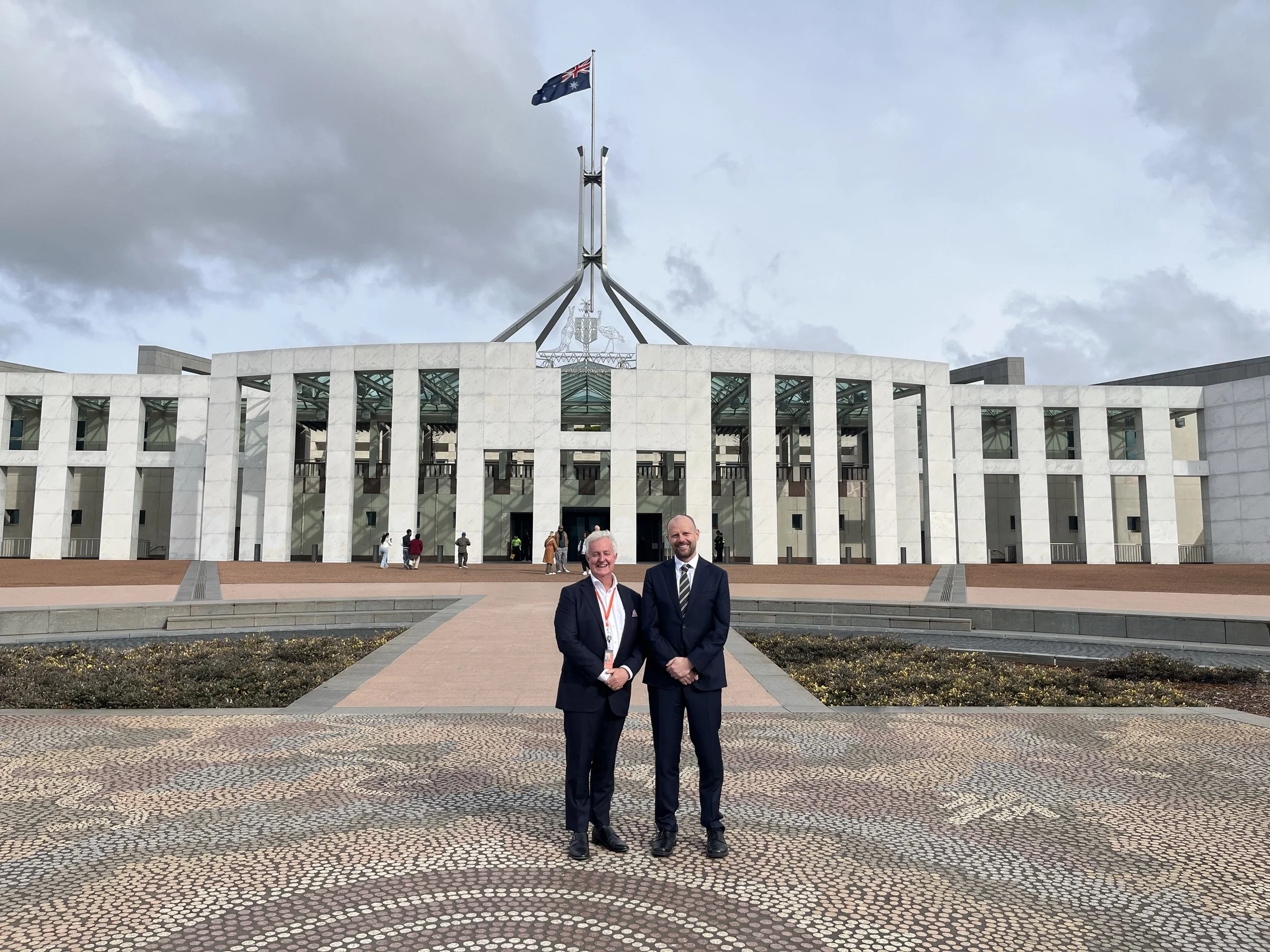
FACEM Dr Peter Bruce
FACEM Dr Peter Bruce, ACEM’s South Australia Censor, fell in love twice - with emergency medicine and with Australia. It changed his life.
Born in Zimbabwe, Dr Bruce studied at the University of Edinburgh and originally planned to become a surgeon. However, a few stints in the ED and a move to Adelaide changed his mind.
‘I came to emergency medicine via a bit of a roundabout route. I started off training as a surgeon, and as part of my surgical training in the UK, I did six months in the ED and really enjoyed it,’ he said.
‘I continued on the surgical training program, completed my surgical primary exams, and then came out to Australia for what was supposed to be just one year in plastic surgery, the specialty I was hoping to pursue.
‘I got a bit burnt out. A friend who was working in the ED at Royal Adelaide Hospital encouraged me to move across from Canberra, take a break from surgery, and spend six months in ED.
“I fell in love with emergency medicine all over again ... I decided to leave my surgical career and move into emergency medicine training, and I’ve never looked back or regretted it.”
‘I fell in love with emergency medicine all over again, and realised that the part of my surgical training I'd enjoyed most had actually been when I was working in ED. So, I decided to leave my surgical career and move into emergency medicine training, and I've never looked back or regretted it,’ Dr Bruce said.
“I love the fact that we see such a broad range of patients ”
‘I love the fact that we see such a broad range of patients in emergency, and that there's still plenty of opportunity to do practical procedures, which was the part of surgery I liked most.
‘I should add, during that year I also fell in love with Australia, which is why I stayed.’
Dr Bruce, who gained his Fellowship in 2015, used his own struggle with the written Fellowship exam to help instigate changes that have improved the experience for other trainees in South Australia.
‘I didn’t pass it the first time, and I was determined to change that,’ he said.
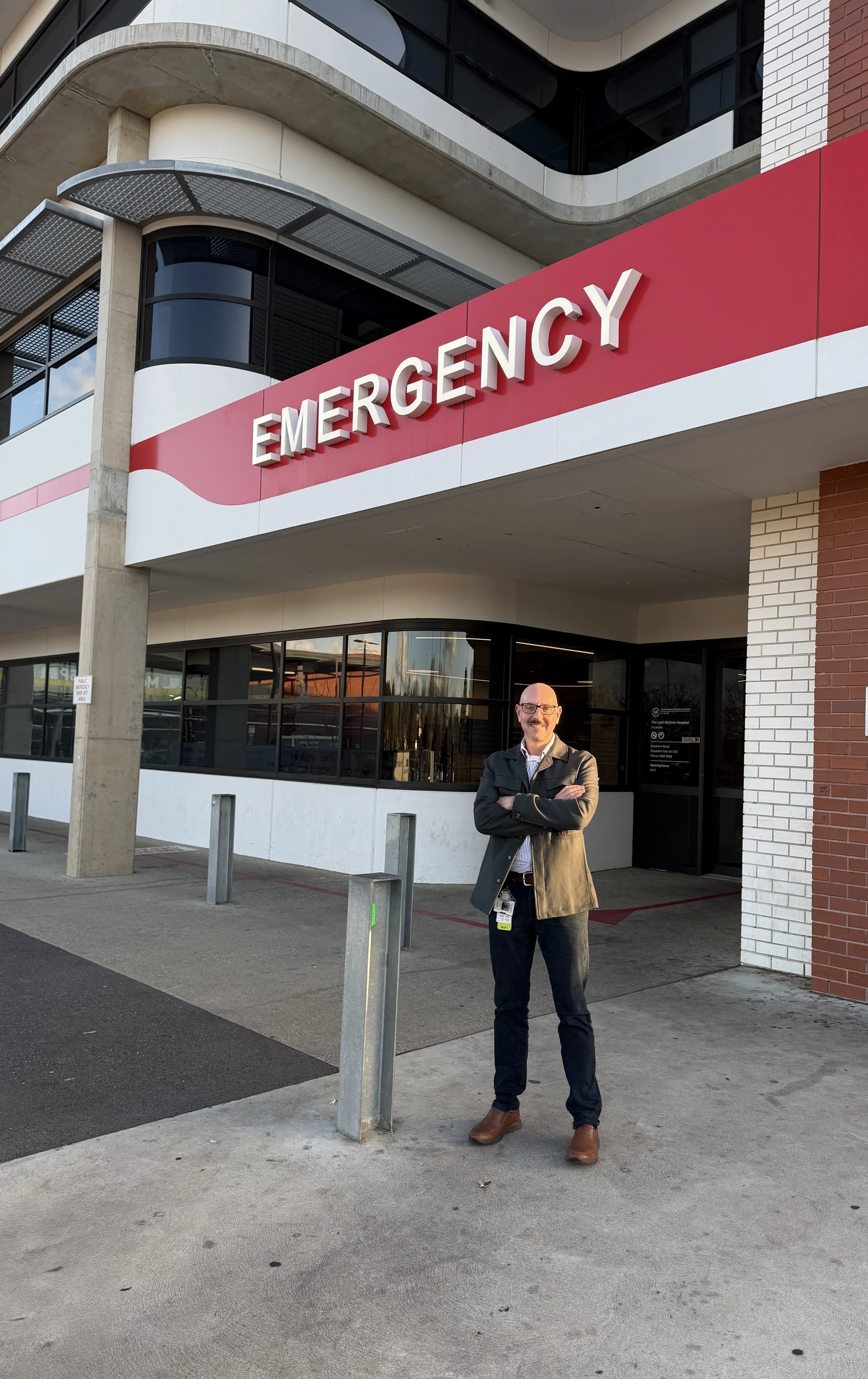
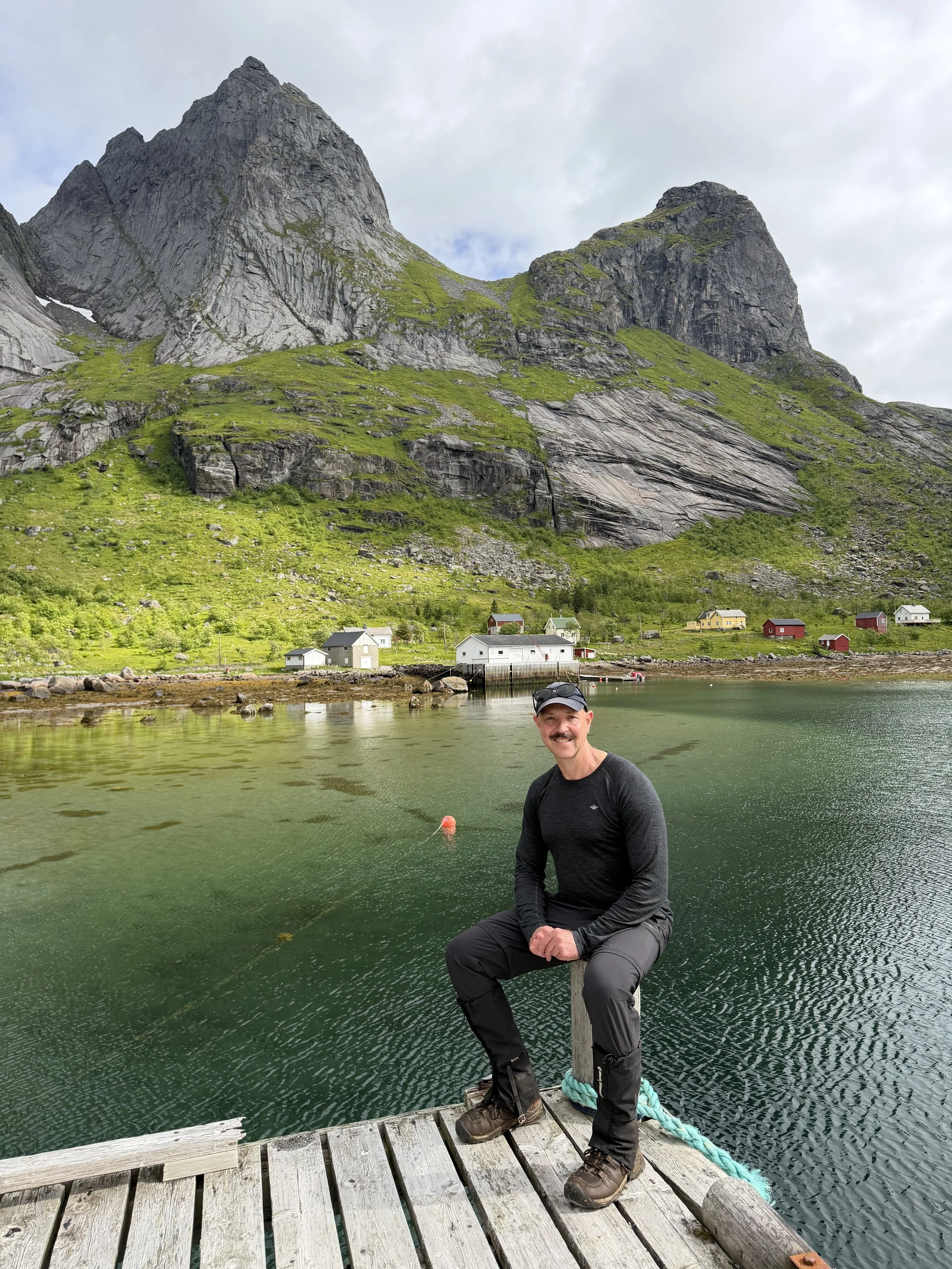
FACEM Dr Peter Bruce is Network DEMT at Lyell McEwin and Modbury hospitals in Adelaide.
‘My focus was very much on opening up training between the different Local Health Networks (LHNs), making it easier for trainees to move between hospitals within South Australia.’
Working with colleague Dr Elissa Pearton and reaching out to fellow FACEMs, including Dr Andrew Churchman (Princess Alexandra Hospital, Queensland), Dr David McQuade (Wellington Hospital, Aotearoa New Zealand) and Dr Rebecca Day (Royal Darwin Hospital, Northern Territory), he developed statewide teaching formats.
He believes rotations are an important factor in developing well-rounded emergency physicians.
‘From a trainee perspective, in order to assist you with passing your exams and making you a better FACEM, it's important that you experience emergency medicine in different EDs because we're all a little bit different,’ Dr Bruce said. ‘We all have different kind of catchment areas and slightly different approaches.’
He said the Royal Adelaide Hospital gives trainees vital exposure to major trauma management; the Women's and Children's Hospital offers intensive paediatric exposure and a wide case range given its tertiary status; Flinders Medical Centre is the state's obstetric trauma centre, with a distinct specialist patient population; while the northern network serves a lower socioeconomic population with high refugee and Indigenous patient numbers. For rural, regional and remote (RRR) training, Mount Gambier and Mount Barker Hospitals are currently accredited and several more sites are planning to join as RRR training location options.
‘Each centre offers trainees something different, and we try to make it as easy as possible to rotate between them,’ he said.
“Each centre offers trainees something different, and we try to make it as easy as possible to rotate between them”
‘I've tried really hard to open things up for trainees to work between LHNs. I enlisted the help of the then-Faculty Board (which I am part of as SA Censor). With chairs Dr Michael Edmonds and Dr Daniel Haustead, we worked on persuading the state government to have statewide accreditation to work across hospitals.
‘After four years, that was finally launched last month. Having statewide accreditation will make it easier for trainees to move between sites.'
He said South Australia offered plenty of advantages for trainees, professionally and personally, citing his own love of multi-day hiking and golf.
‘Within metropolitan Adelaide, the three major hospitals — Flinders Medical Centre, Royal Adelaide Hospital, and Lyell McEwin Hospital — are all within about 45 minutes’ drive of each other, which makes rotating between them very manageable regardless of where a trainee lives.’
‘We still have a lot of FACEM jobs coming through. Because at the end of the day, as you're coming through training, you want to be somewhere where you are more likely or more easily able to get a job as a consultant when you finish. Certainly, within South Australia, I can say that we're fortunate and we still have plenty of FACEM jobs available.’
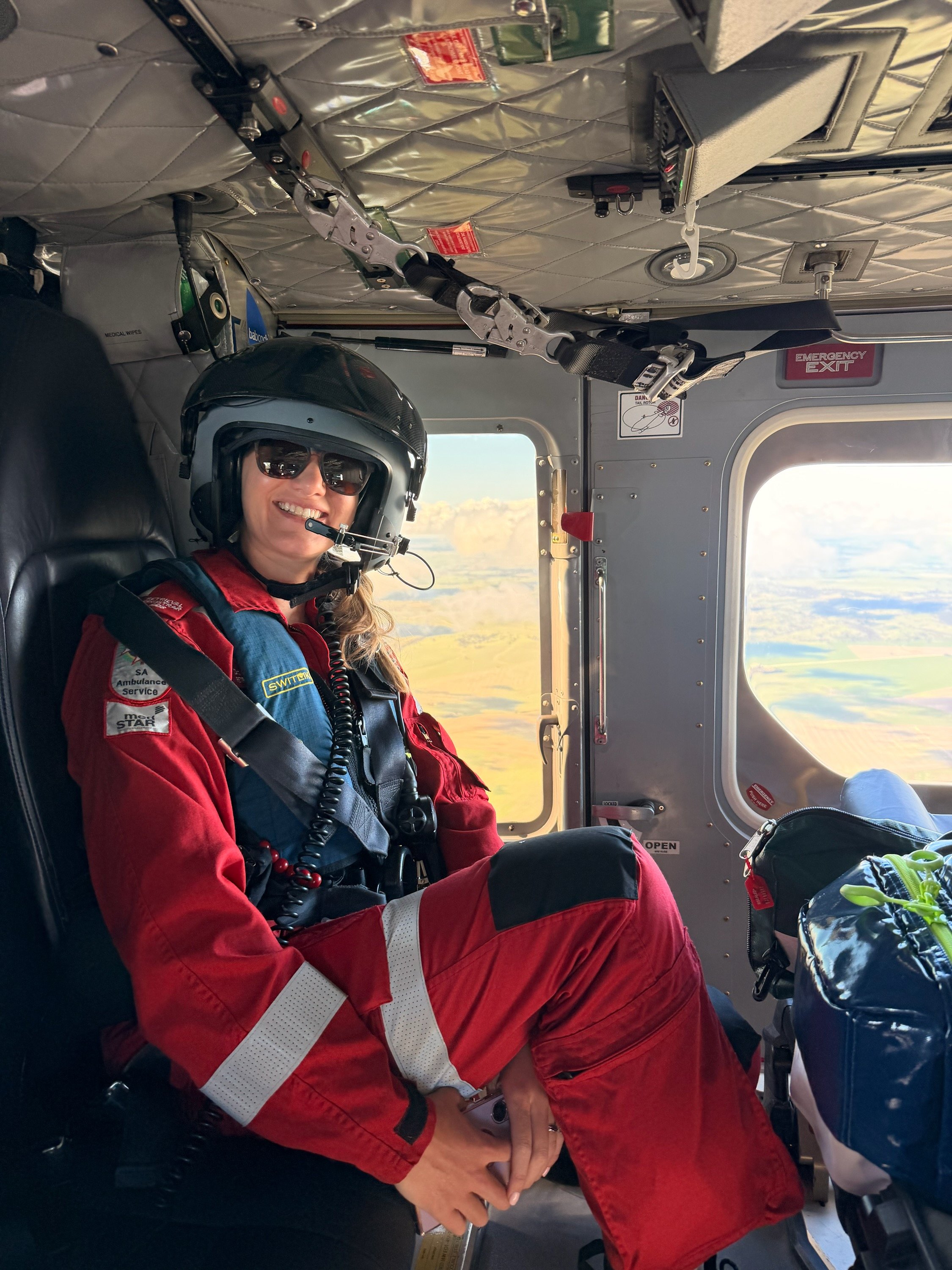
Dr Charlotte Stone
‘I'm originally from the UK and had never been to Australia before moving here, so I had very little idea of what to expect!
Some friends had made the move a year before us and recommended Adelaide. My husband Gareth and I took their advice and followed them over in 2018, where we started work in Flinders Medical Centre ED as fresh-faced RMOs. Two years later, I must have enjoyed myself, because I took the plunge and joined the ACEM training programme.
Living in Adelaide is incredibly easy, but what stood out to me was how accessible emergency medicine training is in South Australia. There are opportunities to work across numerous health networks with varied training environments to suit almost any career goals or interests, whether that's working in a tertiary trauma centre, working in a smaller outer-metro emergency department, or even trying your hand at pre-hospital medicine with the MedStar retrieval service.
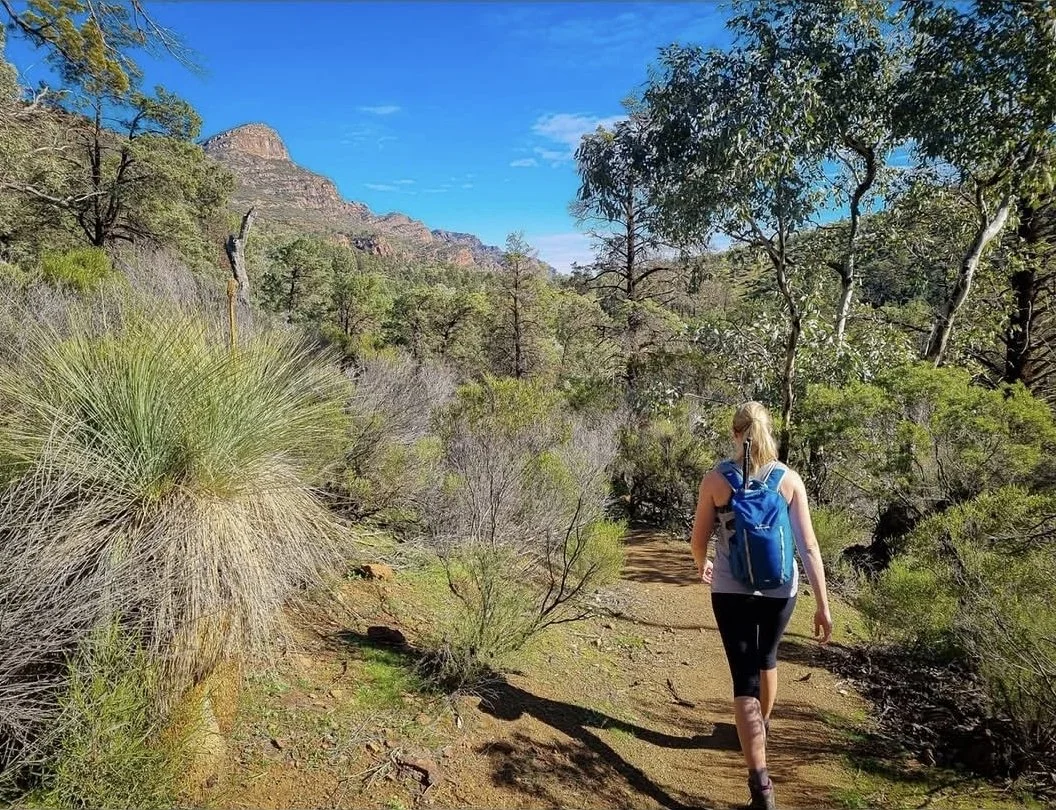
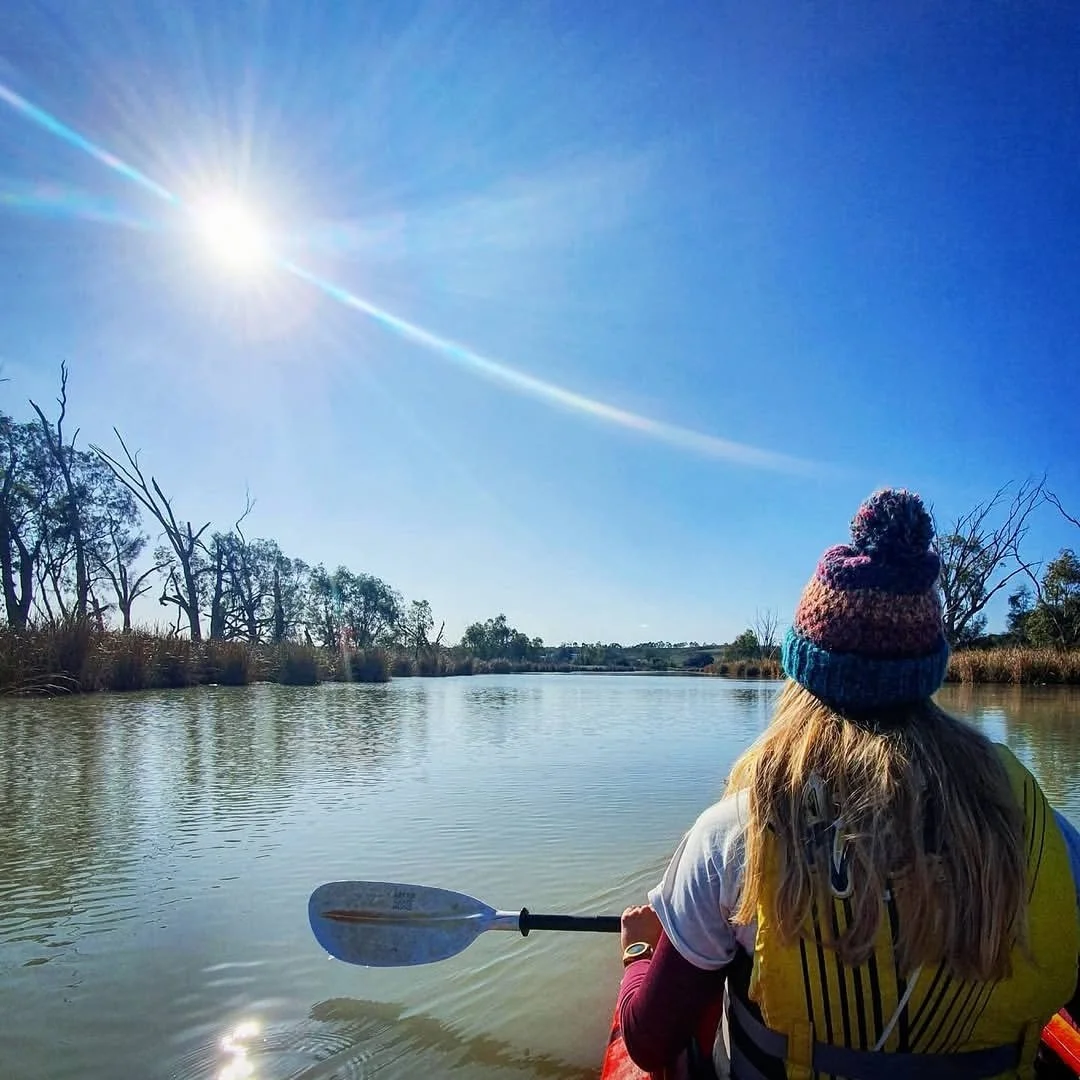
Currently working as a Paediatric Retrieval Registrar for MedStar Kids, ACEM trainee Dr Charlotte Stone appreciates the work-life balance aspect of her role, including hiking in Flinders Ranges,.
I'm also a joint Paediatric Emergency trainee and have been easily able to complete all my paediatric requirements, including paediatric intensive care, within the state. There really is something here for everyone, and I've loved being able to experience a little bit of all the above!
My training has predominantly been across metro and outer metro Adelaide, but has still been in several different settings, ranging from small outer-metro departments to the tertiary trauma centre. I've really valued being able to work within these different departments, and being able to adapt to different patient populations, resource availability and team dynamics has helped me develop into a better clinician.
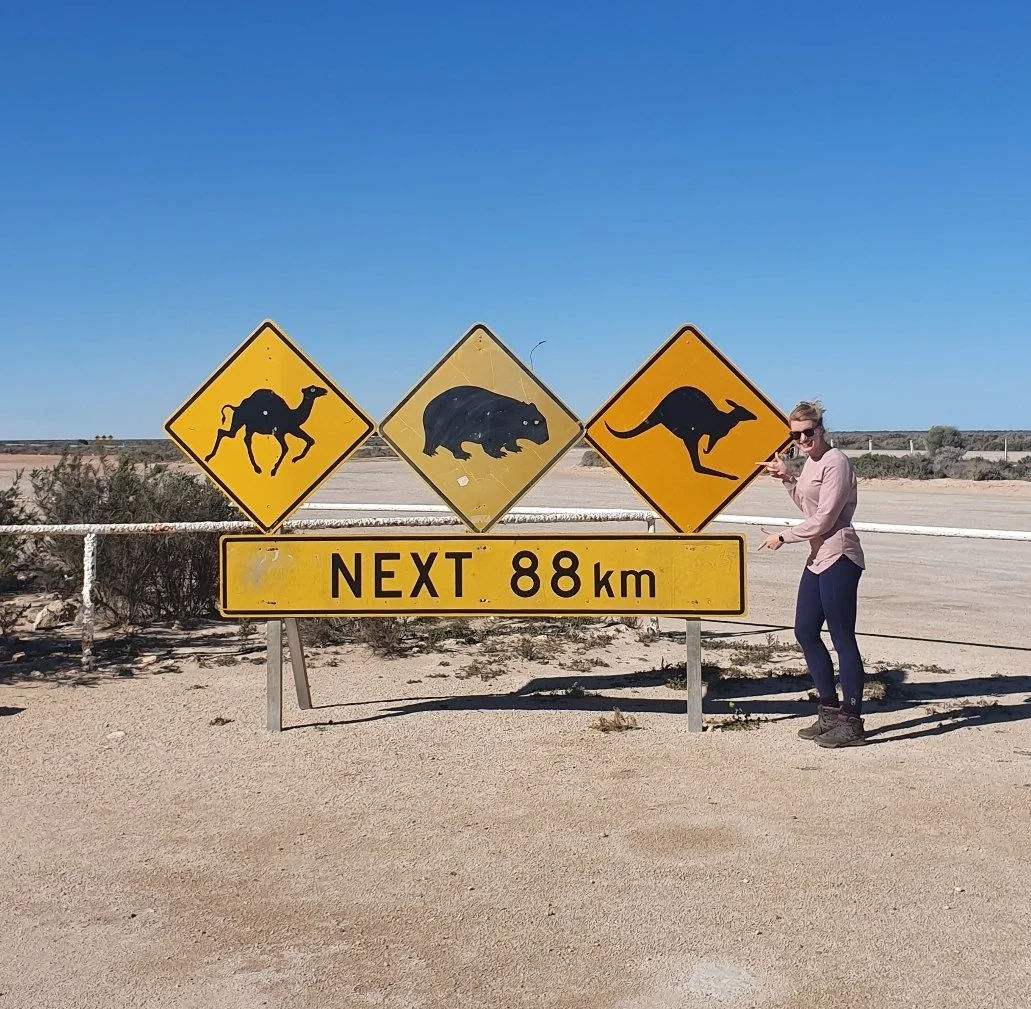
Dr Stone says travelling across the state, including the Nullarbor Plain, has been invaluable.
I am currently working as a Paediatric Retrieval Registrar for MedStar Kids. Not only has this been challenging, learning to work in new environments with sometimes very limited resources (notably the back of a helicopter), but has also been super fun!
Much like ED, no two days are ever the same. We retrieve everything from premature neonates to 17-year-olds, so the spread of pathology is wildly variable. The variety keeps you on your toes, and it allows me to travel even further across the state, often retrieving patients from more regional areas, which has given me a greater understanding of the resource limitations that our regional teams have to manage on a daily basis.
I love the variety emergency medicine provides. No two shifts are ever the same, and that unpredictability keeps it interesting for me. I think it also gives you such a unique skill mix - from managing neonates to the elderly, the slightly sick to the critically injured, and anything from minor procedures to life-saving interventions.
“I love the variety emergency medicine provides. No two shifts are ever the same, and that unpredictability keeps it interesting for me. I think it also gives you such a unique skill mix”
You're also working in a team of very like-minded people. Regardless of where I've worked, there's always a strong sense of camaraderie with everyone pulling together and helping each other out during those busier shifts. All the health networks have also been incredibly flexible, allowing part-time work when I needed this throughout training and even facilitating joint placements to help me achieve my PEM requirements.
During my fellowship exams, South Australia introduced statewide teaching. All the local health networks across Adelaide have coordinated their teaching days to provide structured exam teaching, which was not only useful to meet the other trainees at the same stage of training, but for me personally was also invaluable in providing a much more structured approach to my fellowship exam preparation.
“During my fellowship exams, South Australia introduced statewide teaching ... for me personally [it was] invaluable in providing a much more structured approach to my fellowship exam preparation. ”
Training here has been very flexible, and throughout all my exam revision periods I went part-time to maintain a vague sense of work-life balance, and I would recommend that to anyone who has the luxury to do so.
Now (thankfully!) I am post-exams and am hoping to be time-complete in approximately September. I'll soon be on the search for a consultant post, where I can hopefully bring my experience of both adults and paediatrics to the table. I would love to stay in South Australia.
I think a testament to South Australia is that it's now eight years later and we still haven't felt the need to move! Adelaide is such a liveable city, just big enough that there's always something going on, but not too big that living there becomes hard work.
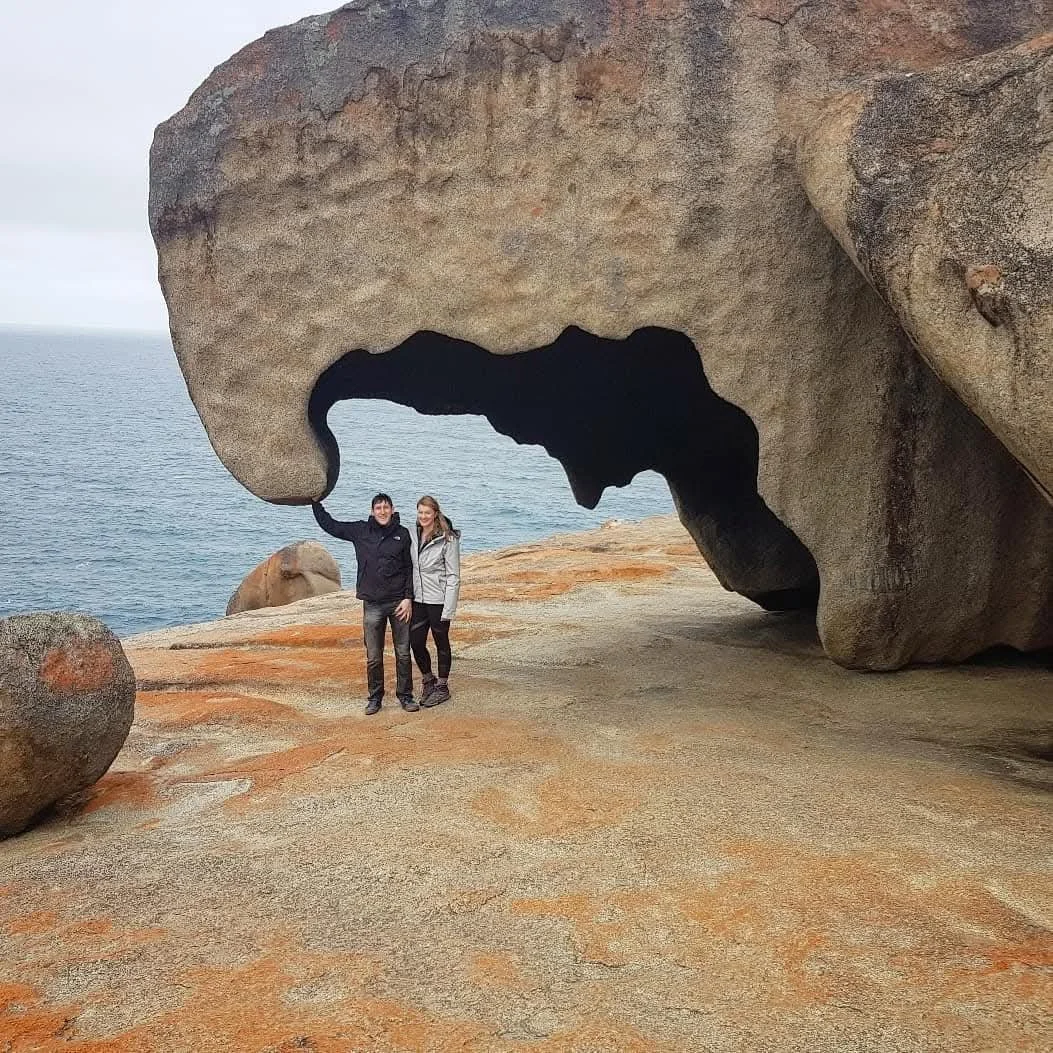
Gareth and Charlotte Stone at Remarkable Rocks, Kangaroo Island, SA.
If you're a foodie, there is no end of great food and coffee, both in the CBD and beyond. If you love the outdoors, then the beach, multiple bush walks and great cycle routes are all within easy reach of the CBD. If you want to travel slightly further afield, within a few hours’ drive you can easily be on a beautiful, secluded beach down south, in the Barossa or heading towards the southern stretch of the outback.’
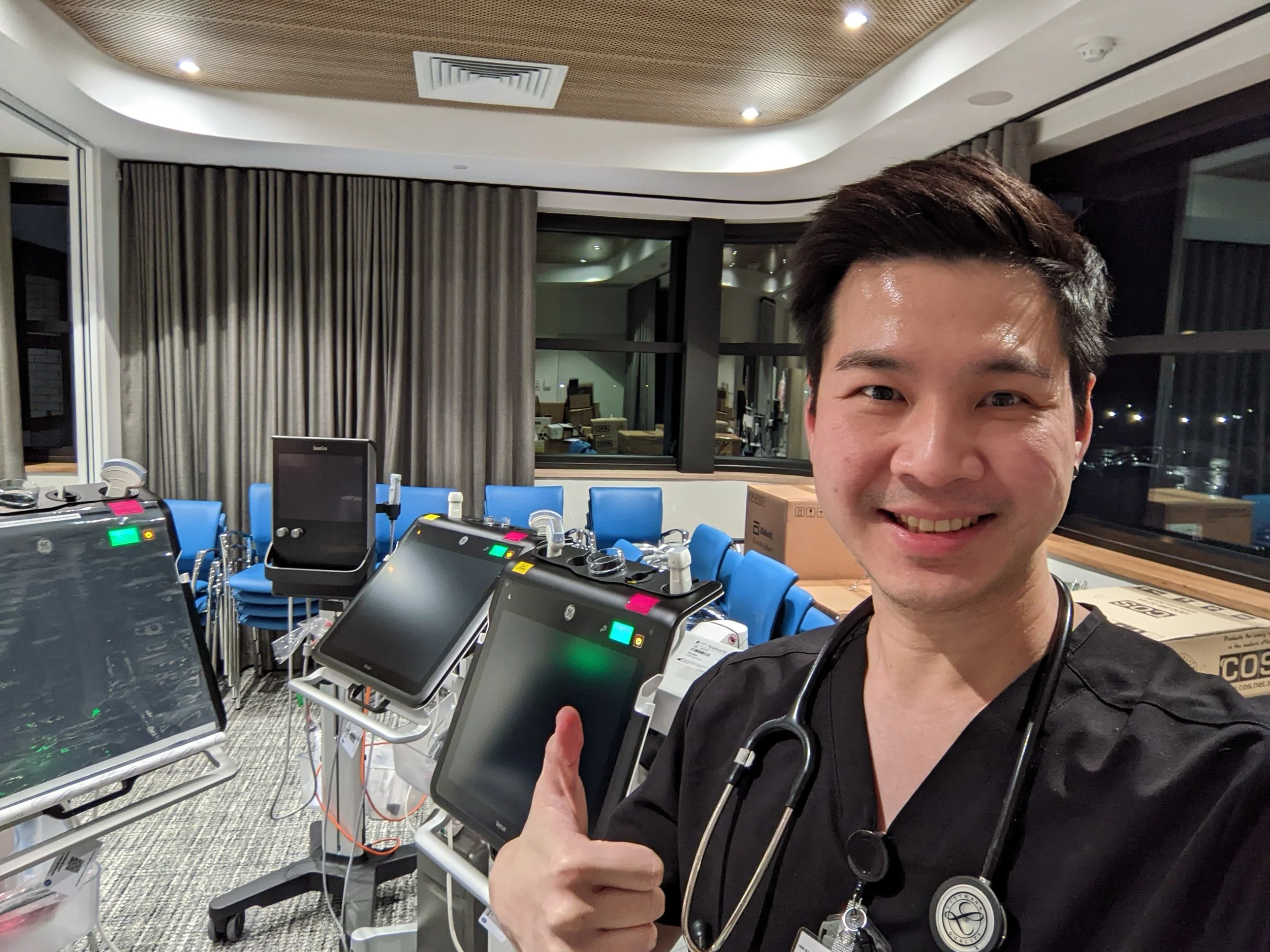
Dr Steven Chiang
‘I was doing my surgical residency rotating through Flinders Medical Centre ED and one day a senior FACEM tapped me on my shoulder and told me that I was a great fit for ED. Since then, I have enjoyed my time so much in ED that I switched my career path and have not looked back since.
I have worked across all three major health networks in Adelaide that serve at least 70 per cent of the adult population. Each network has a unique set of strengths, challenges and demographics that significantly shaped me to be an all-rounded physician.
“I have worked across all three major health networks in Adelaide that serve at least 70 per cent of the adult population. Each network has a unique set of strengths, challenges and demographics that significantly shaped me to be an all-rounded physician.”
I started off in Southern Adelaide Local Health Network (SALHN) which had mixed EDs that predominantly saw a geriatric population, but there were also quite a number of minor injuries, major traumas and paediatric presentations that exposed me to a broad range of presentations. It was a great environment to work at with lots of learning opportunities and there was also a strong emphasis on work-life balance as a department.
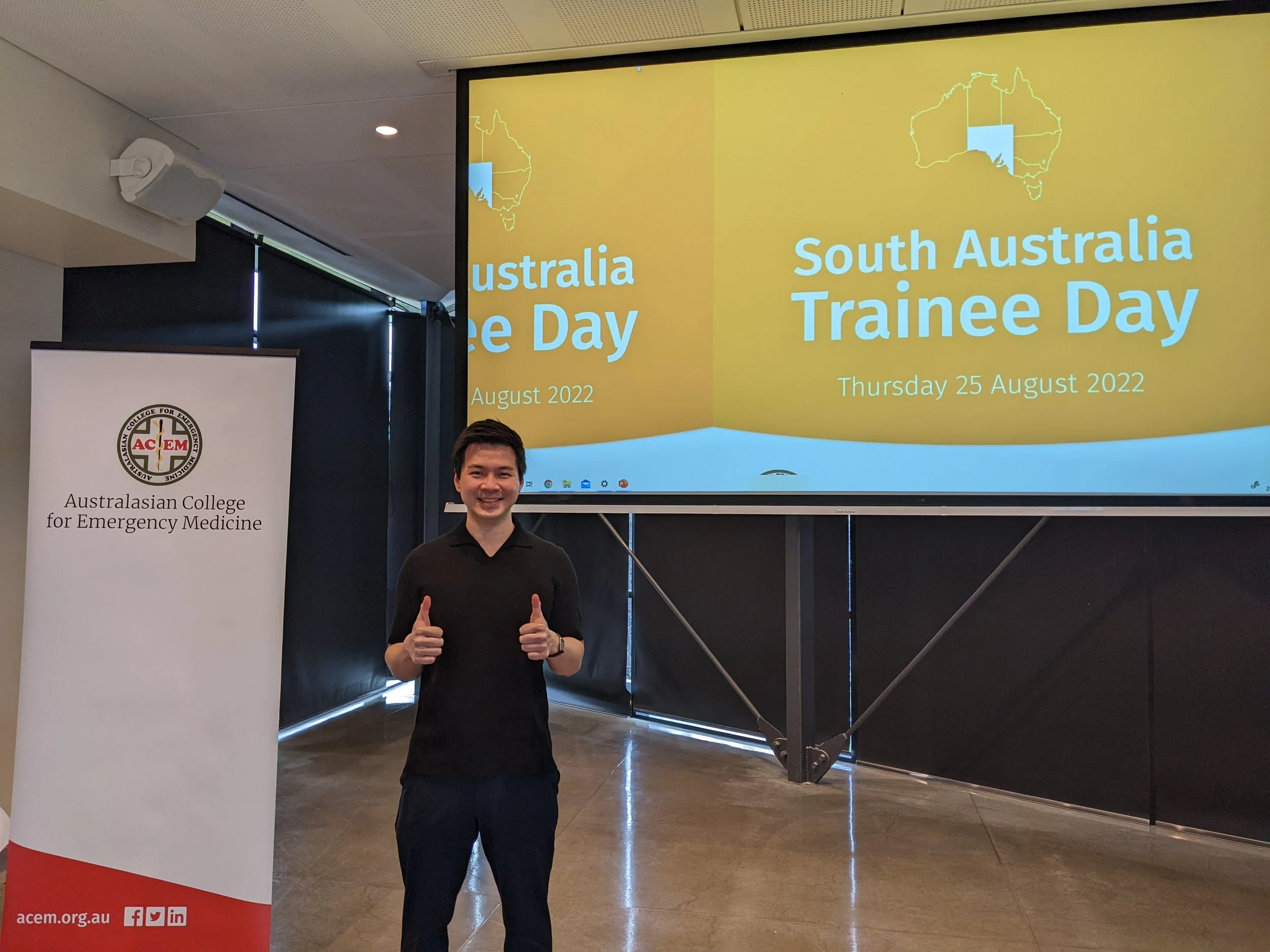
Dr Steven Chiang, as state trainee representative, helped organise South Australia Trainee Day in 2022.
I then moved to Central Adelaide Local Health Network (CALHN) where I got exposed to high acuity, polytrauma and ECMO patients and it was also where I developed a lot of my leadership skills and non-clinical portfolio as a trauma fellow. It was exhilarating to work alongside highly motivated and skilled FACEMs.
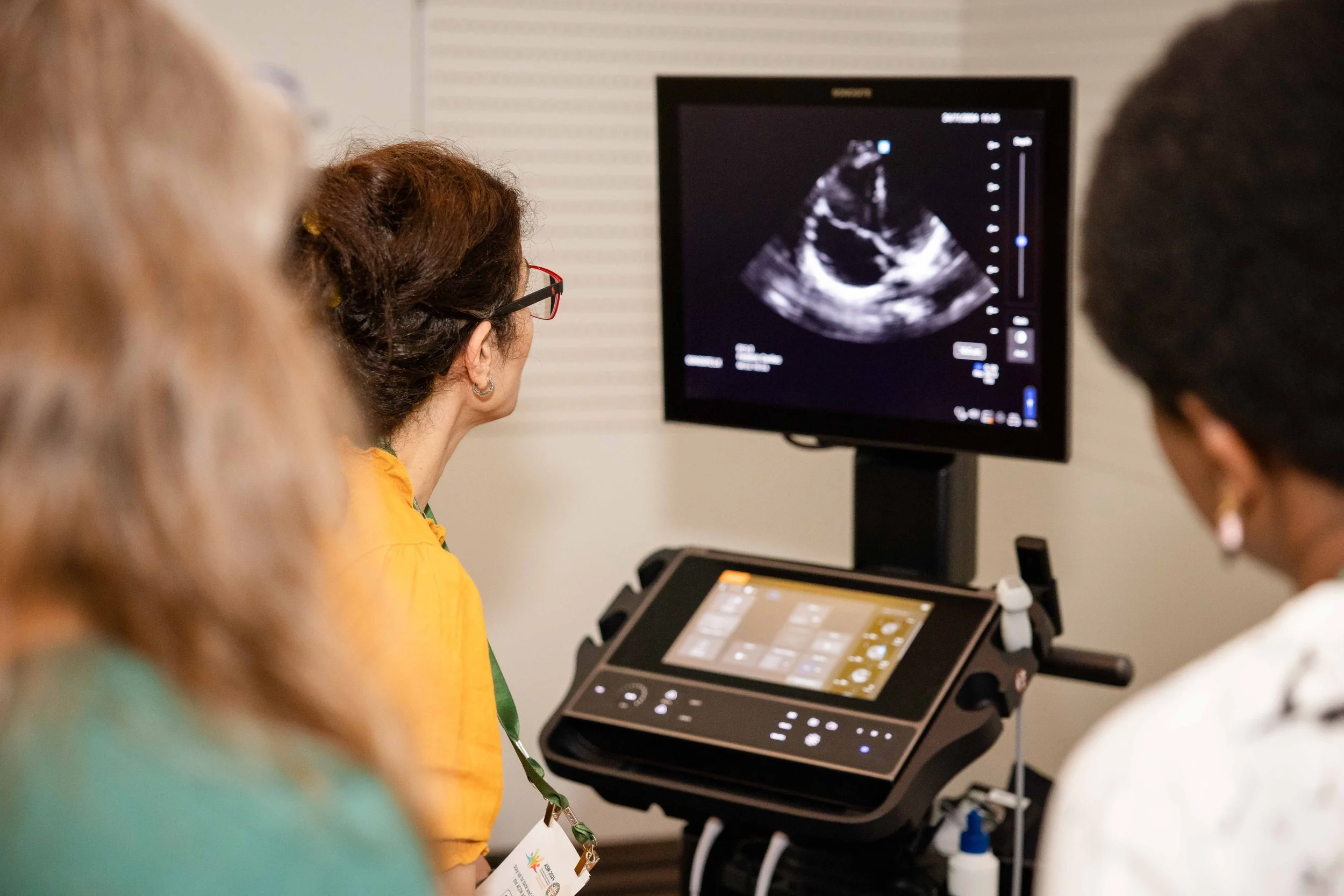
I spent the majority of my training at Northern Adelaide Local Health Network (NALHN). This is where I developed and found my lifelong passion for POCUS and met amazing mentors. It really shaped the type of FACEM that I want to be.
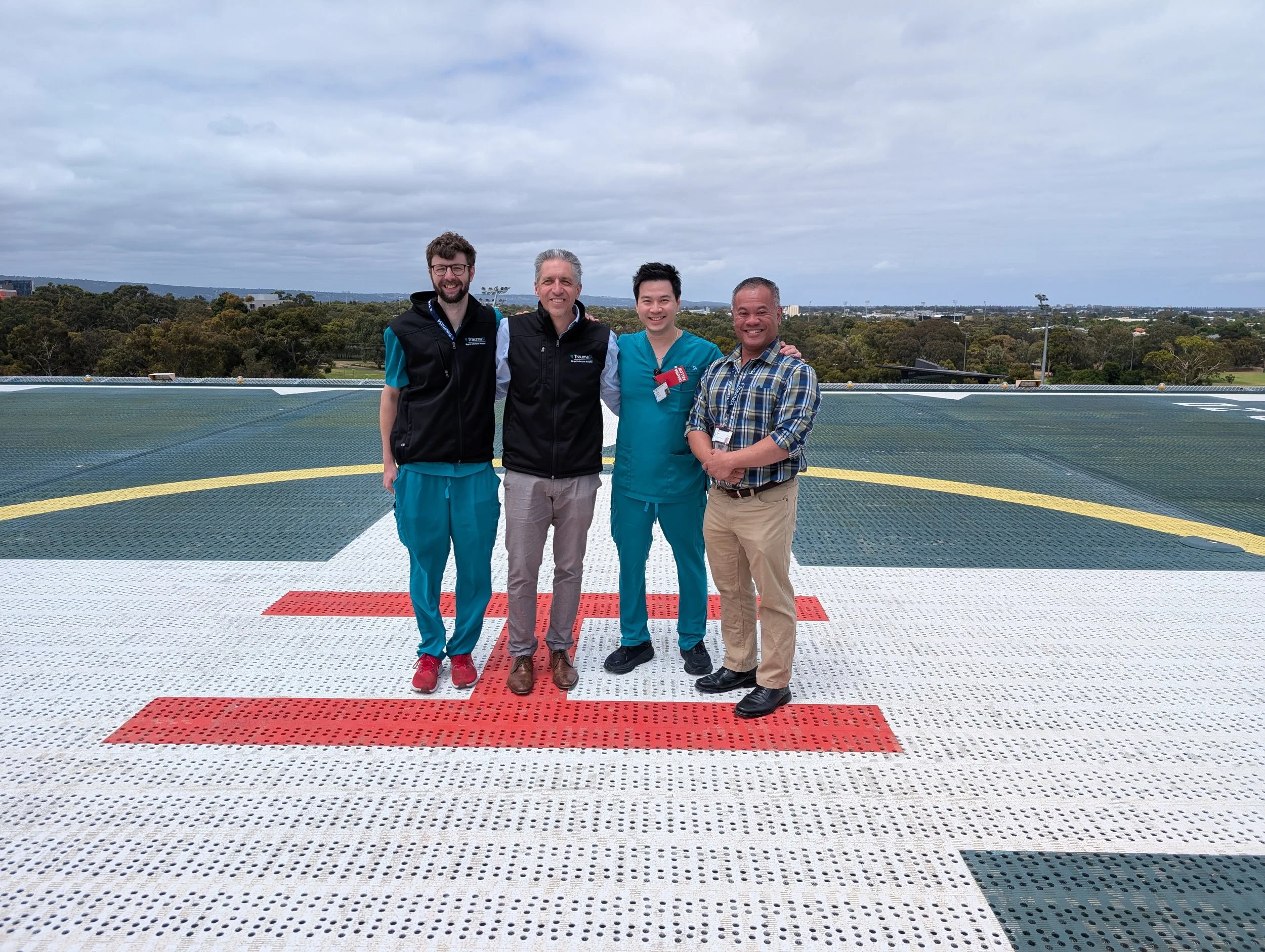
Dr Peter Hardy (Trauma Service Fellow), A Prof Dan Ellis (Director of Trauma Service), Dr Steven Chiang and Dr Ngee Foo (Deputy Director of Trauma Service).
I think that the ACEM curriculum is robust and it is very well polished to cater for emergency medicine in both urban and rural settings. Fellowship examinations were without a doubt one of the hardest challenges that I have faced in my life. But they are definitely manageable with the right amount of support and deliberate practice. This was also made a bit easier by Dr Peter Bruce’s statewide teaching initiative.
My general advice would be to prepare early, proactively seek mentors, be open to feedback, and build resilience to try again if things do not go your way. I was unsuccessful with OSCEs on my first attempt, and it devastated me.
It put immense pressure on my family as we had a young child, and it was one of the toughest moments of my life. However, my family was extremely supportive, and I was blessed with wonderful mentors and DEMTs that allowed me to bounce back and succeed on my second attempt.
“I think that the ACEM curriculum is robust and it is very well polished to cater for emergency medicine in both urban and rural settings.”
My tips for exam preparation would be to fully utilise the resources that are available on the ACEM website, and to understand the 'why' of such examinations (what do the examiners what to test/examine? what type of structure?) and the 'how' to achieve the goal (pro-tips from DEMTs, mentors, and a balance between self-study and group-study).
I have just completed my fellowship examinations, so I have been spending as much time as possible with my wife and my little 14-month-old daughter. I am currently completing my TS4 time at Lyell McEwin Hospital.
I have always considered South Australia my home shortly after starting my medical degree at the University of Adelaide and also meeting my wife in the first year. It has a good mix of urbanisation as well as beautiful vineyards, stunning beaches, and exciting local spots.
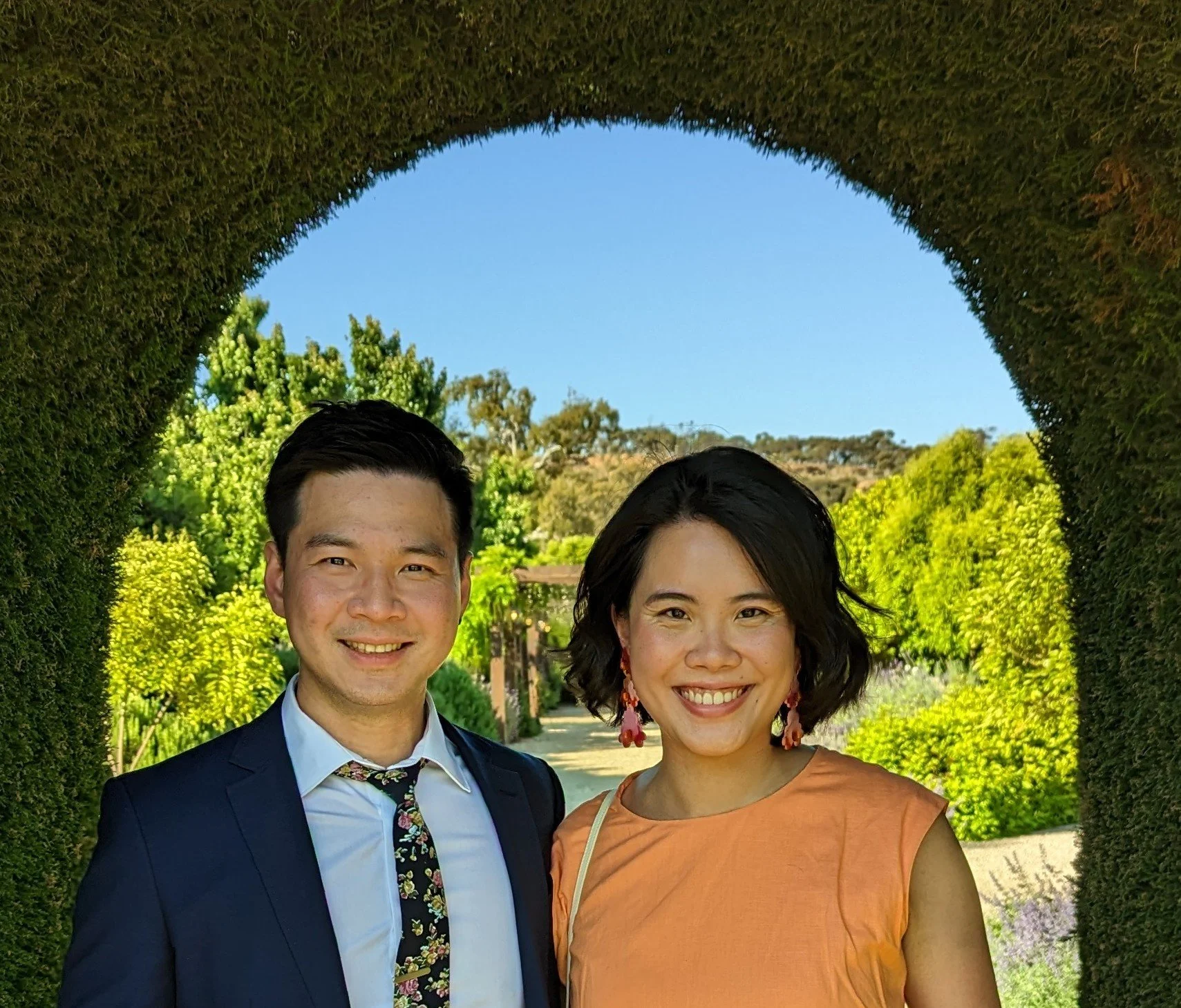
Adelaide is a highly liveable city, and the pace of life is slightly slower compared to the larger cities. This allows me to balance shift work with family life well. There are plenty of places to visit and unwind with my family.
My wife Nicole (pictured right) has been my biggest pillar of strength. I would not have progressed through medical school and my training if it was not for her unwavering support.
I would also like to give a shout out to all of my DEMTs (past and present) who have been so supportive throughout my training - and a special mention to Dr Andrew Churchman and Dr Sean Tay for putting in so much time to help me with my OSCEs.’
‘We're now about 18 months down the line,’ Dr Bruce said. ‘We’re definitely getting good results.’ The South Australia Censor’s original aim was to open things up for trainees, and it looks like his well-laid plans have become a reality.