All tagged Emergency Department
FACEM Dr Ayanthi Perera attended a Quality and Patient Safety Advisory Committee (QPSAC) meeting as part ACEM’s Committee Experience Program. She reflects on the role and work of QPSAC – including areas such as EMER and the mortality case summaries – and how these translate into practical learning and patient safety improvements within the ED.
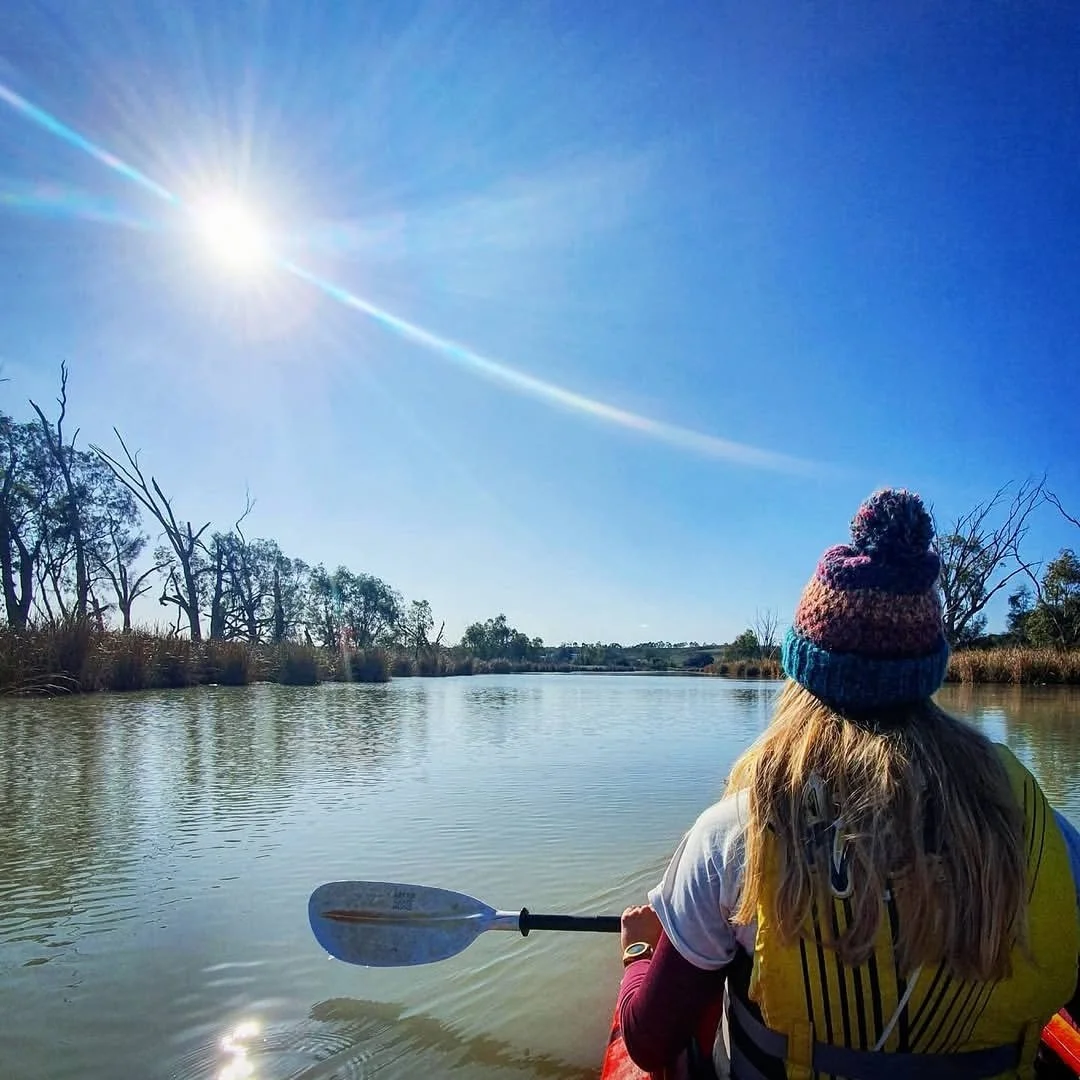
YourED spoke to ACEM’s South Australia Censor Dr Peter Bruce and trainees Dr Charlotte Stone and Dr Steven Chiang about ACEM’s training program and what drew them to South Australia and a career in emergency medicine. FACEM Dr Bruce gave us his perspective on statewide training developments and how the College is supporting trainees, while Dr Stone and Dr Chiang shared their experiences in their own words, reflecting on what it's like to train in South Australia.
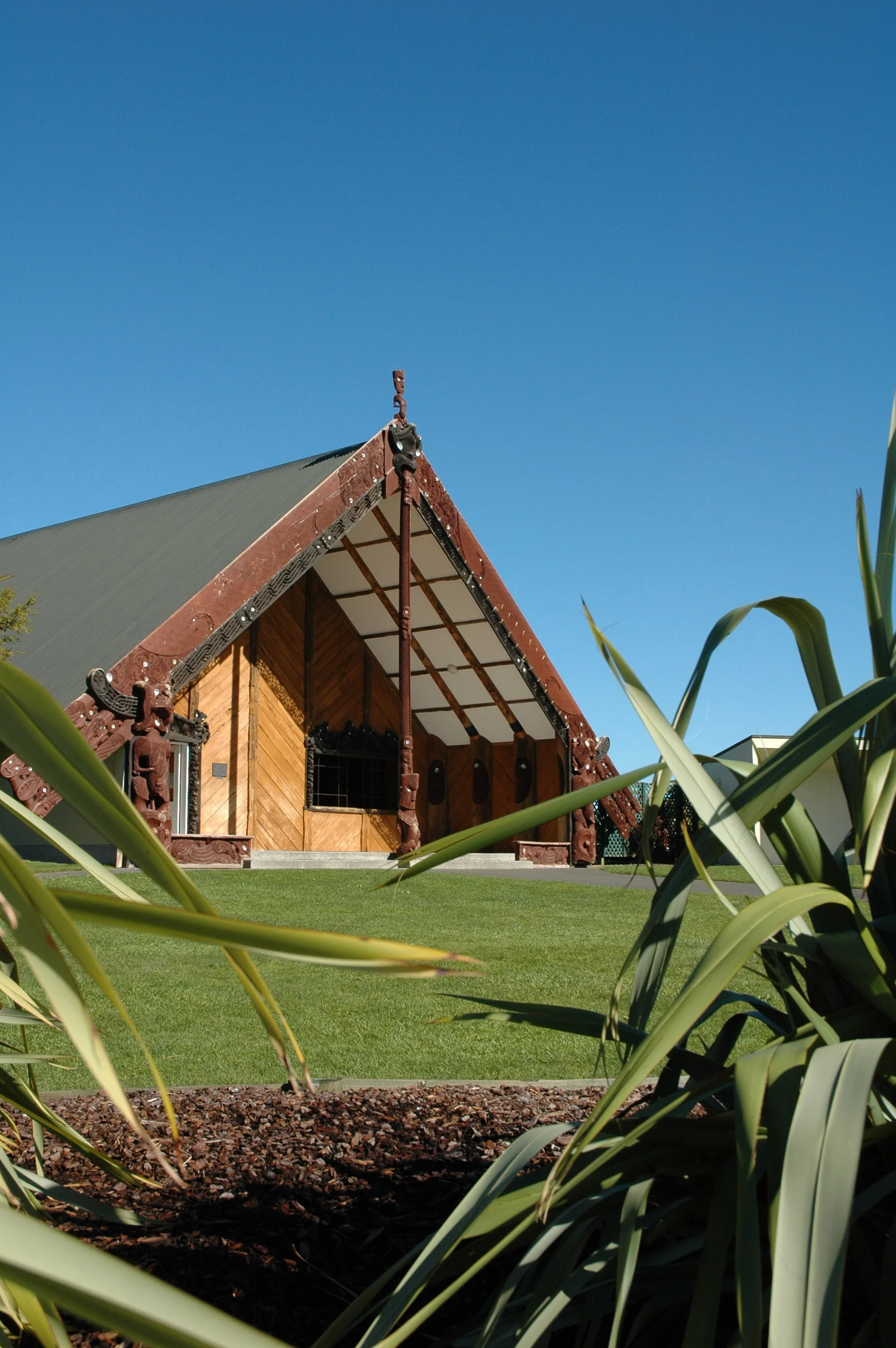
At Rotorua Hospital, staff, patients and whānau (family) meet every morning for karakia (blessing) and waiata (song). This is a valued opportunity to connect, reflect and learn together – the same philosophy of this year's Manaaki Mana Kaikōkiri Hui (10-12 August 2026) in Rotorua. ‘Everyone is at different levels on their cultural journey, and it is about learning from one another,’ FACEM and Head of Rotorua Hospital Emergency Department Dr Kate Kerr said.
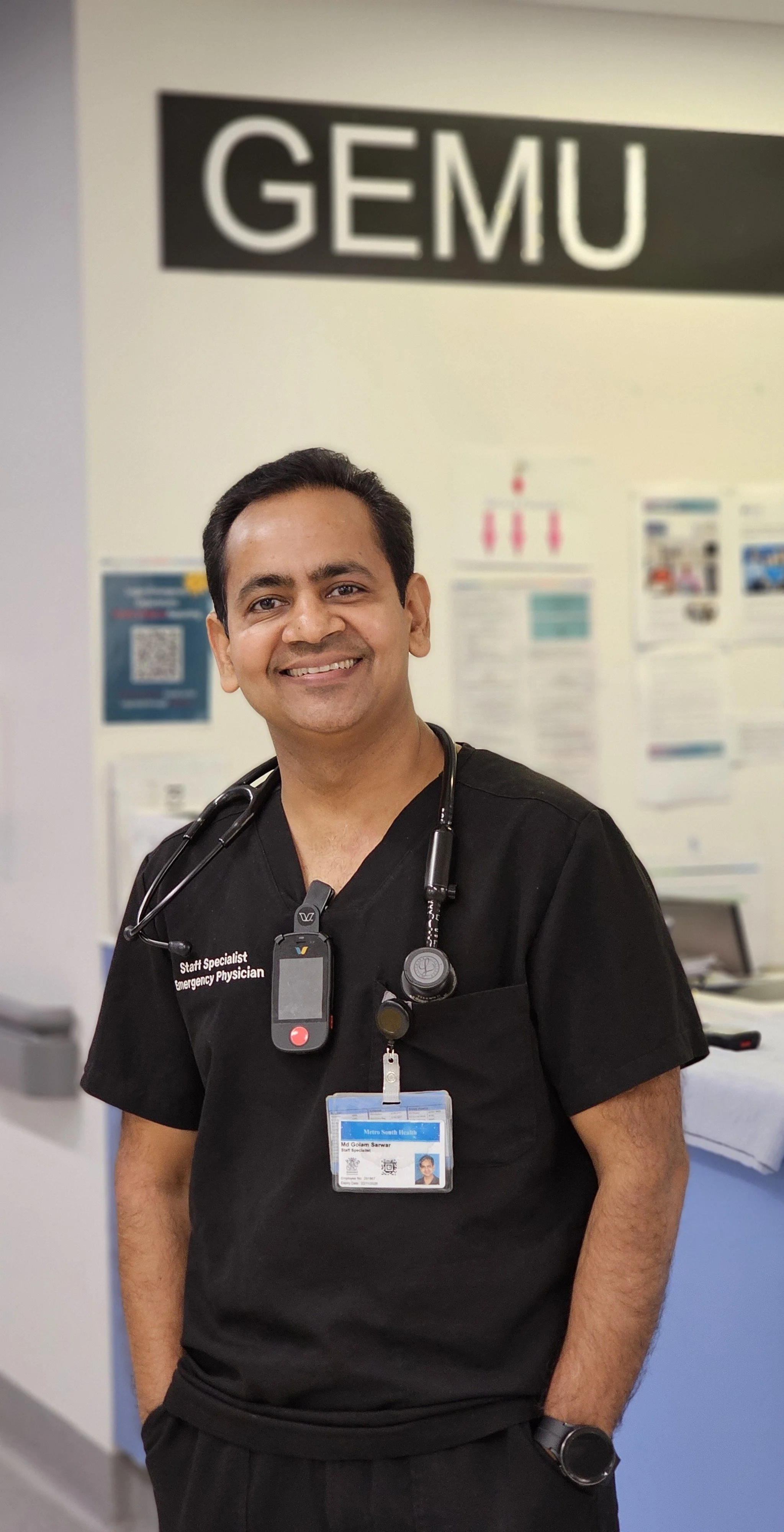
FACEM Dr Golam Sarwar is the Clinical Lead of Logan ED’s Geriatric Emergency Medicine Unit (GEMU), a unique and innovative dedicated emergency unit for older persons. GEMU was established in 2025 to address the complex and specialised medical, functional and psychosocial needs of older patients presenting to the ED.
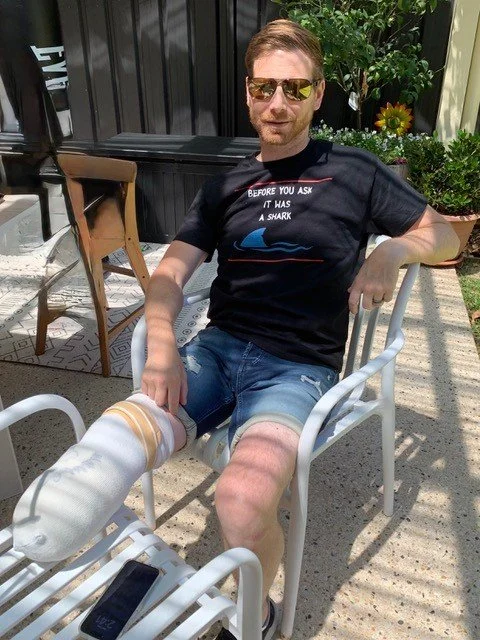
‘Now it was my turn to be on the other side’. Retired Fellow Dr Alan Broomhead’s son Andy was involved in a motor bike accident late last year and had a right below knee amputation. The former Director of Emergency Medicine Training at Adelaide’s The Queen Elizabeth Hospital reflects on his family’s journey from the day of the accident to where his son is now, mobile on his prosthetic leg, the exceptional care he received in the ED and beyond, and how this experience has affected them all.
‘Having a system in place like this really makes a difference to the hospitals, to public health, and to patients.’ Professor Daniel Fatovich discusses the need for the Emerging Drugs Network of Australia (EDNA) project and his passion for research.
FACEM Dr Krupa Mehta, Staff Specialist at the Campbelltown Hospital and a Retrievalist for the Westpac Rescue Helicopter and the Royal Flying Doctor Service, shares some insights with YourED about her pathway to becoming a recent Fellow.
Emergency medicine as a speciality is turning 25 years old in Papua New Guinea. EM trainee Dr Ulysses Oli, a final-year candidate of the Masters of Medicine in Emergency Medicine (MMed EM) program at the University of Papua New Guinea, currently working at the Port Moresby General Hospital ED, reflects on what this means to him.
Associate Professor Carmel Crock travelled to Geneva, Switzerland to attend the World Health Organization (WHO) global consultation for World Patient Safety Day 2024. Read her reflections on the event one year later, including how emergency departments can optimise diagnostic safety and excellence.
“He aha ta mea nui o te ao? What is the most important thing in this world?
He tangata, he tangata, he tangata. It is people, it is people, it is people.”
This was the enduring message for around 100 delegates who made the journey from around Aotearoa, Australia, Canada, and the United States to attend the Aotearoa New Zealand Emergency Medicine Conference 2025.
Dr Mangu Kendino, 2019 GEC Scholar now serving as emergency physician and director for emergency medicine training at Port Moresby General Hospital, has words of wisdom to share with new scholars about the benefits of the program.
This isn’t a piece about being nice. It’s about choice, about what it means to care when it is hard to care. Not when things are calm, but when someone’s screaming, the phone won’t stop, and another trolley rolls in. Because this is where it matters most.
As summer heats up, YourED reflects on the impact bushfires can have on the entire community, and the medical professionals working in emergency departments across Australia and Aotearoa New Zealand.
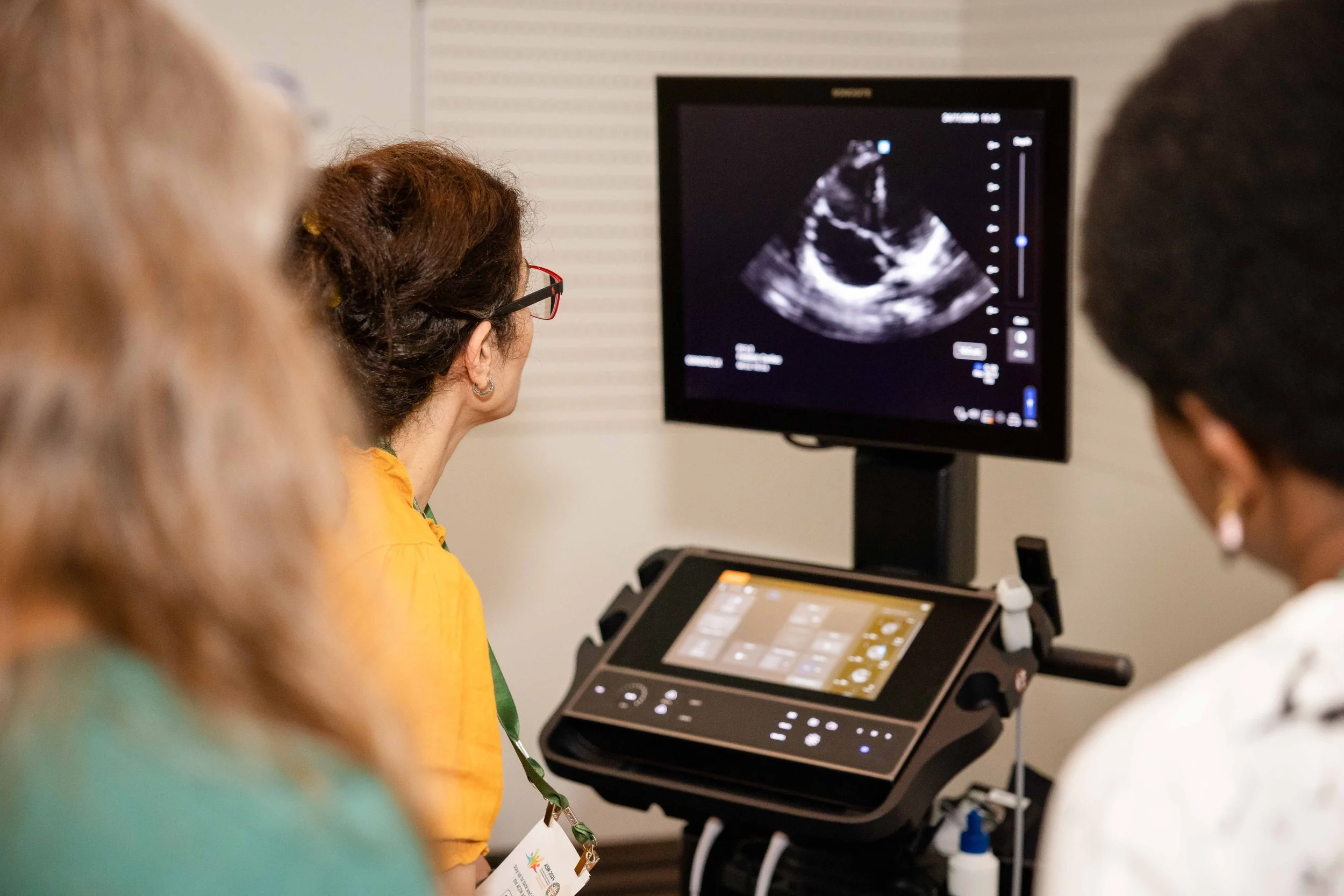
Progress PoCUS workshops support trainees and FACEMs who are pursuing ACEM’s training and recommended ultrasound credentialing pathway to use point of care ultrasound in the ED.
The national Traumatology Talks Working Group within ACEM is exploring how social emergency care can be integrated into emergency medicine in Australia and what all emergency medical professionals can do to help improve the care of Indigenous patients.
Contributing to ACEM’s Annual Site Census helps improve patient care in EDs across Australia and Aotearoa New Zealand.
In 1975, when retired FACEM Dr Edward Brentnall started work at Box Hill Hospital, emergency medicine was very different than it is today.
Retired FACEM Dr David Taylor generously donated his collection of antique medical instruments and equipment to ACEM in 2019 – and each item in the display cabinet tells its own special story.
Dr Deepak Sharma considers himself fortunate that he has been able to learn and deliver learning to others in Fiji and the Pacific as part of his training.
“You can’t be the same person you were before,” says FACEM Dr Sandy Inglis. “But in emergency medicine, we are trained to help people who need emergency medical care.”