Earning a seat at the table: ACEM's federal advocacy journey
For much of ACEM’s history, the College’s advocacy has been directed primarily at state and territory governments. This made sense, as the broad consensus has been that states and territories run hospitals, fund emergency departments and manage the day-to-day pressures that land at triage.
But ACEM’s advocacy priorities have never been confined simply to the ED’s walls. Many of the things that determine what happens in EDs, like aged care, mental health services, primary care access and workforce pipelines, sit well outside them and often in areas of clear Commonwealth responsibility. That connection has taken time to land. Building a federal relationship therefore started from a more distant position and required working deliberately, over many years, to close the gap.
Professor Chris Baggoley AO, who served as ACEM President from 1996-1999 and Chief Medical Officer of Australia from 2011-2016, described the federal landscape the College navigated in the late 1990s.

Professor Chris Baggoley AO served as ACEM President from 1996-1999 and Chief Medical Officer of Australia from 2011-2016.
‘Certainly in my time, the relationship was with the Federal Department of Health, with the senior public servants rather than with the politicians,’ Prof. Baggoley said. ‘The Council of Presidents of Medical Colleges (CPMC) had a strong relationship with the Department of Health, representatives of whom attended our meetings and with whom we would occasionally meet in Canberra. That certainly was the start of a period of consistent federal engagement.’
The departmental relationships were productive, but the political ones were harder to build. Prof. Baggoley recalled advice he received from Dr Brendan Nelson, then a federal minister and former AMA President, that was direct about where medical colleges stood in the hierarchy of influence.
‘He gave me great advice as to which medical bodies influenced politicians,’ he said. ‘It was the AMA first and foremost, with colleges, often seen as self-interested and self-protective, some way back in their influence.’
His advice stuck, with the College working steadily in the decades since to close that gap by becoming the credible, evidence-based voice on emergency care right across the country.
Building the case
Associate Professor Sally McCarthy AO, ACEM President from 2008-2012, took that early departmental relationship and pushed it toward political influence.
She chaired the 2008 ACEM Access Summit, a deliberate move away from a reactive advocacy model that had struggled to shift the trajectory and general understanding of overcrowding and access block.

Associate Professor Sally McCarthy AO, ACEM President from 2008-2012 and President of the International Federation for Emergency Medicine (IFEM) from 2020 - 2022.
‘We recognised that we needed to be much better understood,’ Assoc. Prof. McCarthy said. ‘Health ministers needed to know that we were the experts and would come to us at an early stage when they were devising programs that might impact emergency care.’
“We recognised that we needed to be much better understood. Health ministers needed to know that we were the experts ... [in] emergency care. ”
The Summit deliberately looked outward. ‘It wasn't aimed at our own members,’ she said. ‘It was aimed at health ministers, opposition health spokespeople, other colleges, quality bodies, insurers and peak consumer groups. We didn’t want to preach to the converted.’
The Summit was influential as part of ACEM’s sustained advocacy for a coordinated national approach to access block and overcrowding, with the Western Australian and Aotearoa New Zealand governments introducing access targets in 2009, followed by the Commonwealth in 2010 with the National Emergency Access Target.
That same strategic instinct shaped the campaign that established EMET, the Emergency Medicine Education and Training program which supports clinical capability in regional, rural and remote communities. It remains one of the College’s clearest federal wins.
‘In EDs, we had one senior staff member and a huge base of trainees, medical students and juniors underneath, a real pyramid,’ Assoc. Prof. McCarthy said.
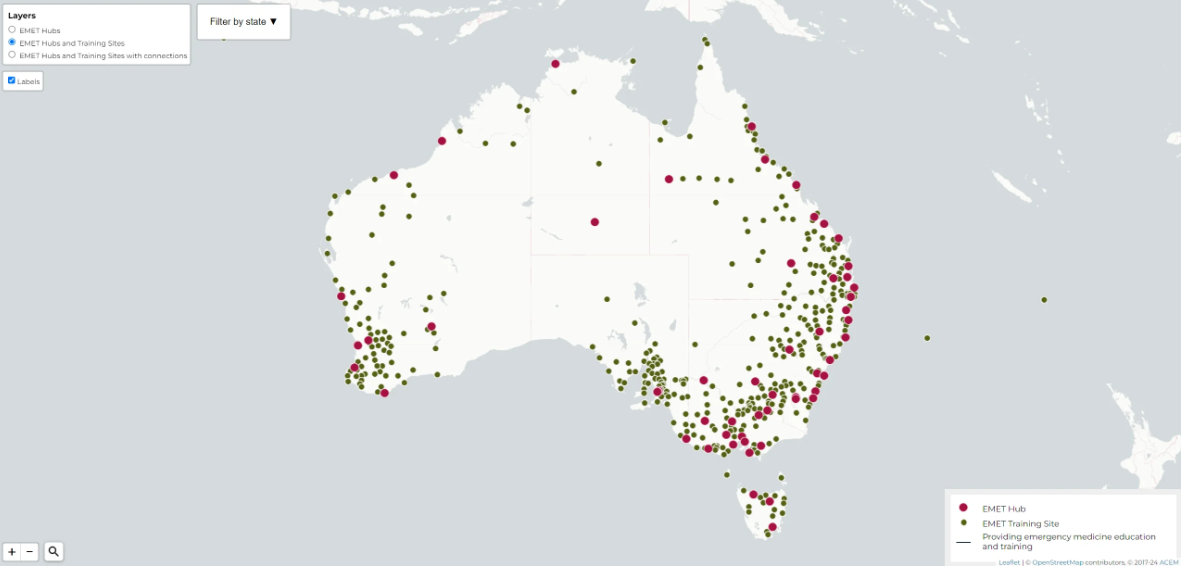
Emergency Medicine Education and Training (EMET) program hubs and training sites.
‘Other specialties might have had one intern, two registrars and a consultant. Completely different shape, and once government understood that, they understood why we needed different support.’
A series of meetings, briefings and correspondence followed and then came the moment that decided it.
‘I got a call one Friday afternoon from the Prime Minister’s adviser and the Health Minister’s adviser, three of them on the line, saying, “Sally, we’ve drafted a policy, we want to give ACEM funding to do this, can you have a quick look?”’ Assoc. Prof. McCarthy said. ‘We had another meeting that Sunday night at about nine o’clock, and the Prime Minister and Health Minister announced it the next morning.’
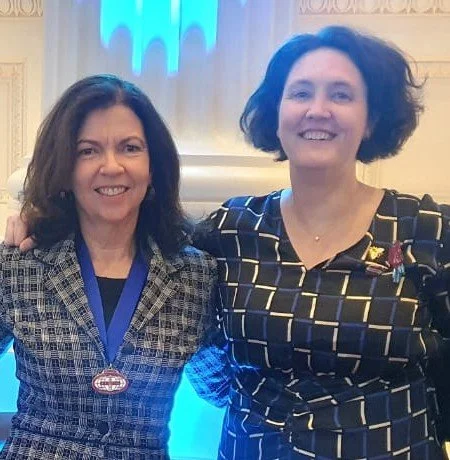
Past Presidents Associate Professor Sally McCarthy and Dr Clare Skinner.
The design of EMET itself carried the advocacy strategy forward. ‘Government could remove the funding at any time,’ she said. ‘They’re far less likely to if a rural MP is telling them “this would be a disaster, my community values this highly.” So we built a decentralised advocacy model into EMET from the start. That wasn't a coincidence, it was designed that way.’
Finding the federal hooks
The move from predominantly departmental relationships to political influence required the College to better demonstrate the connection between emergency medicine and Commonwealth responsibility.
Dr Simon Judkins, ACEM President from 2017-2019 and the current President of AMA Victoria, identified the campaign for a National Emergency Access Target as an early turning point.
‘The movement from state to federal really started with the campaign for a National Emergency Access Target,’ Dr Judkins said.
‘For good or bad, there is no doubt that it put EDs front and centre on a federal platform. Following that, ACEM’s leadership in national workforce meetings and agendas showed that we punched above our weight when it came to strategy and influence.’
Mental health, and a lack of investment made clear through the increasing volume and complexity of ED presentations, was another issue that highlighted the overlapping responsibilities of Australia’s different levels of government.
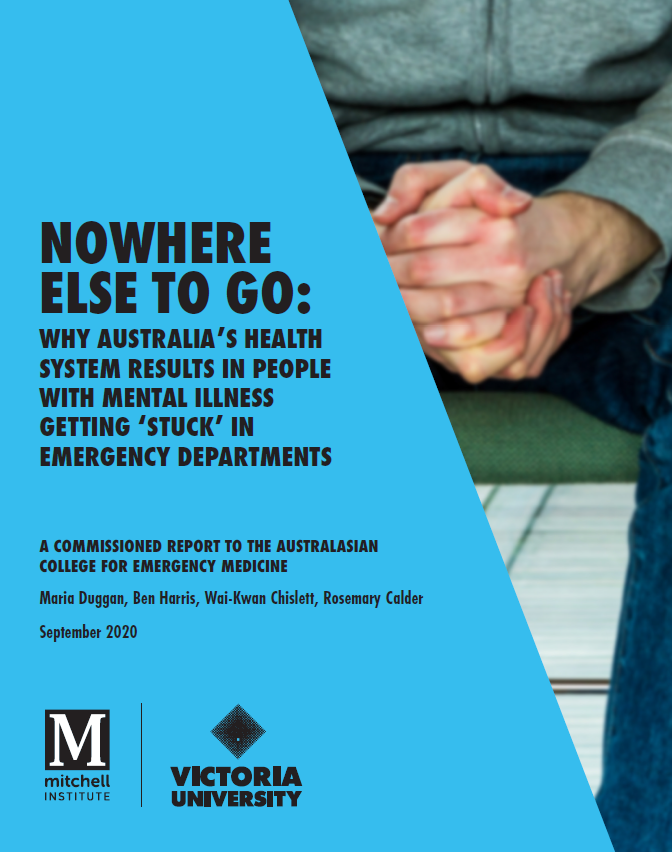
The College commissioned the influential Nowhere Else To Go report and hosted a series of Mental Health Summits, convening ministers and sector leaders for national events that generated both media coverage and policy movement.
‘I think that this led, in Victoria, to the government there calling for a Royal Commission in 2019 and has really shaped the way we manage mental health in EDs and communities,’ Dr Judkins said. ‘There’s still a lot to do, but it started something much bigger.’
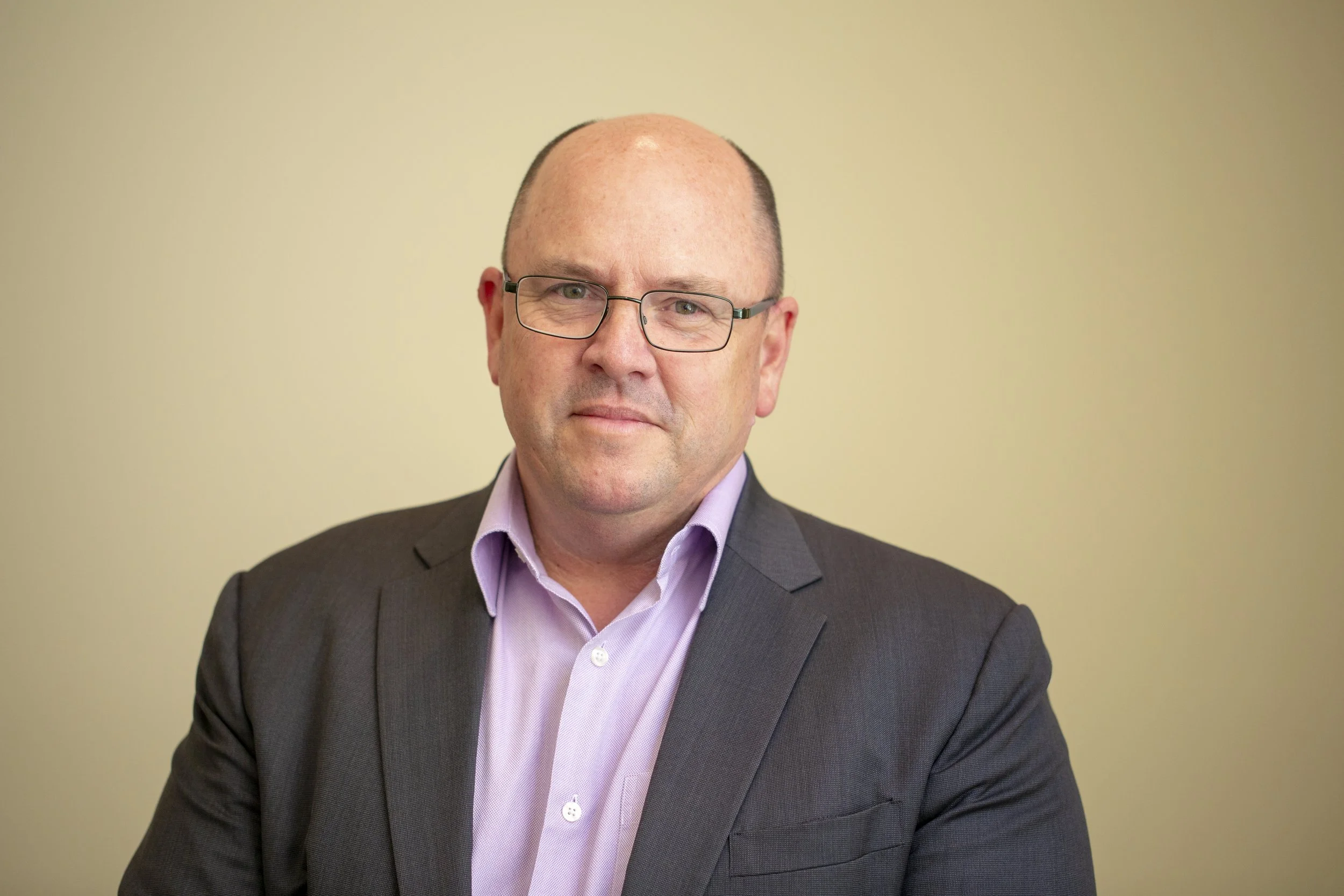
Dr Simon Judkins, ACEM President from 2017-2019 and the current President of AMA Victoria.
Changing the story on access block
Building credibility with government also required the College to do something politically difficult, which was to resist the temptation to frame every problem in the ED as a problem for EDs to solve. The issue that has tested that discipline the most has been access block.
“ACEM’s leadership in national workforce meetings and agendas showed that we punched above our weight when it came to strategy and influence”
ACEM has kept making the case, building an evidence base over many years that has given the College a rigorous and credible platform from which to argue. The conversation with government has shifted — slowly, and not completely — but there is now a much greater understanding that the persistent ED overcrowding reflects the failures of the whole health system, not a failure of EDs themselves.
Dr Clare Skinner, ACEM President from 2021-2023, described how the College re-framed that argument.
‘The politics of access block was always, “it’s the ED physicians, they’re just not working hard enough.” I think we’ve done a really good job as a College, over the past seven or eight years, of going, hang on, access block is not the ED, we’re just the safety net,’ Dr Skinner said.

Dr Clare Skinner in Canberra during her presidency.
‘We’ve changed that stakeholder relationship by making it big picture, not just our problem. We will tidy up our own backyard. But the big backyard, that is sitting at the intersection between Commonwealth and state responsibilities.’
Dr Stephen Gourley, the College’s Immediate Past President, came to a similar conclusion about where that argument had the most political traction and how to make it actionable.
‘In advocacy, there’s no benefit just going to say access block is terrible, you need to fix it. It’s a wicked problem, and if we struggle with it, how do we expect the politicians to have any idea how to approach it?’ Dr Gourley said.
‘What we did was work out a path that was potentially achievable. What became clear during my ED visits as President was how many beds were taken up with aged care patients, people with nowhere else to go. That’s not the totality of access block but freeing up 20 per cent of the beds will make an impact.’
“We made a choice to be the person that a minister or chief of staff rings when they’ve got a question and know that they’ll get a sensible, measured and thought-out response.”
The choice of aged care as the central federal argument was also, Dr Gourley noted, strategically clean.
‘There’s a clear responsibility delineation. The Commonwealth government is responsible for aged care, not the states and territories,’ he said.
That clarity has opened the door to federal conversations, with states and territories, who carry the cost of the gap, keen to see it addressed.
Being in the room
Changing the narrative in public is one thing. Being taken seriously behind closed doors is another. Dr Skinner was frank about what that required from the College.
‘Positioning yourself as a trusted advisor versus a bomb thrower is important to maintain these relationships. Positioning yourself as a trusted advisor means we actually get more done in the longer term, because we’re sitting in the room,’ she said.
The goal, as she describes it, is quite specific. ‘We made a choice to be the person that a minister or chief of staff rings when they’ve got a question and know that they’ll get a sensible, measured and thought-out response,’ Dr Skinner said. ‘You want to be the person that, if the minister has to duck out in question time and ask a clarifying question, they’re coming to us.’

Dr Clare Skinner, ACEM President from 2021-2023, at ACEM’s Building Our Future Summit in 2023.
For Dr Gourley, that kind of influence requires an understanding of how political systems actually work, and a willingness to invest in it over the long term.
‘Advocacy is a strategic process. You have to go into it with the understanding that it’s not going to happen quickly,’ he said. ‘The quote I like is from orthodontics, constant pressure over time moves mountains. It implies that there’s ongoing effort. It’s not just a set and forget. It’s ongoing effort and review, checking and fine-tuning based on what you’re seeing.’
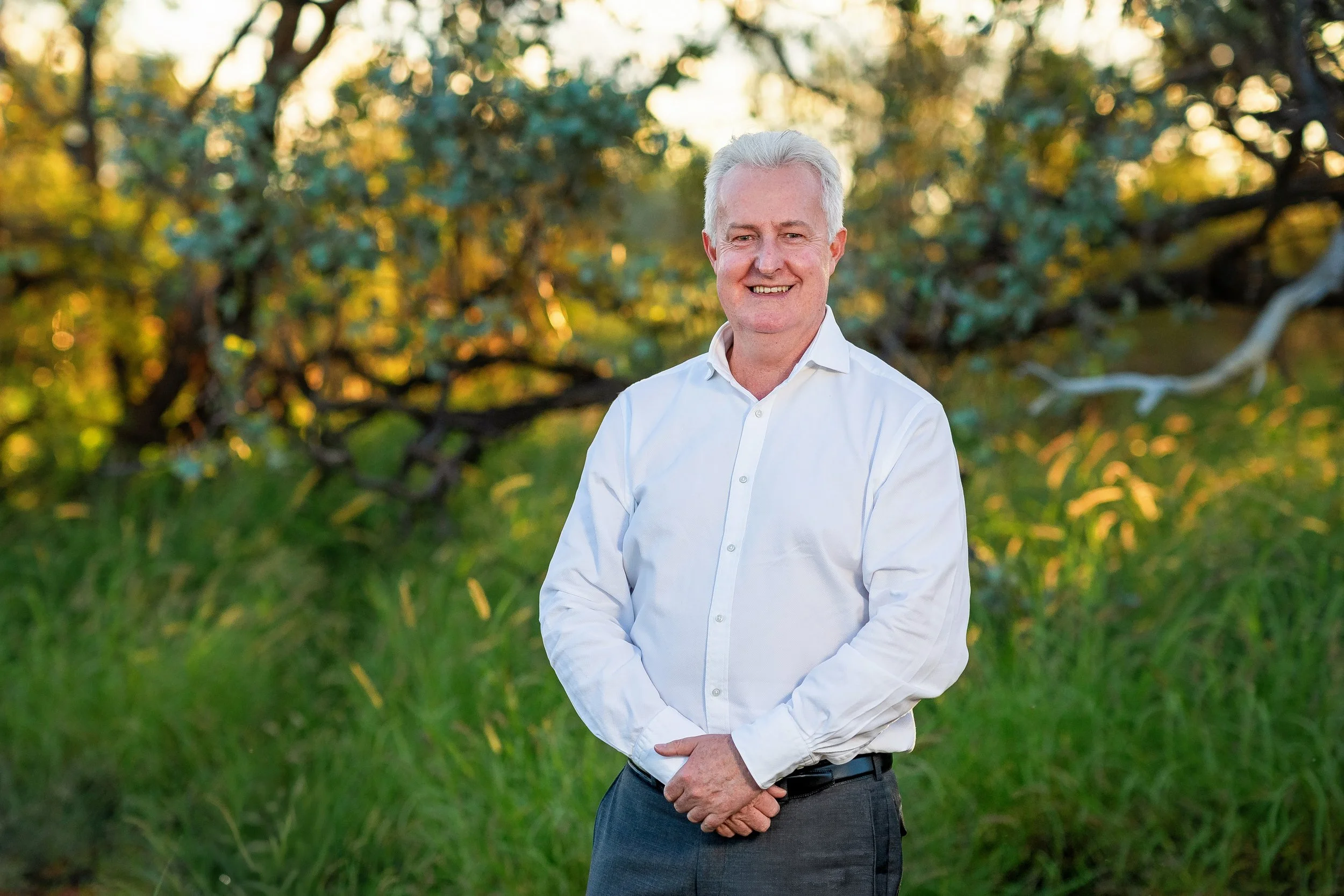
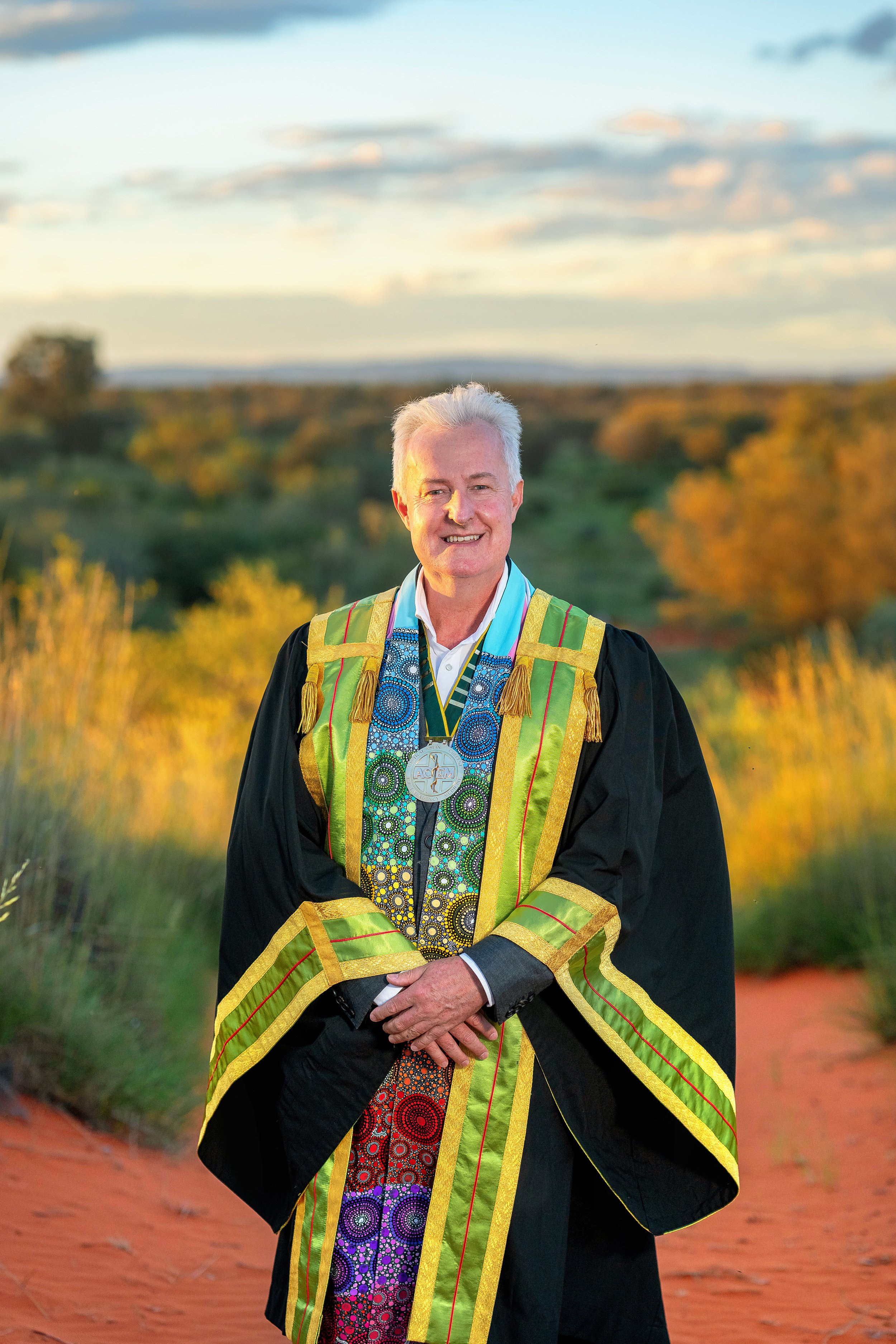
Dr Stephen Gourley, the College’s Immediate Past President (2023-2025).
Dr Judkins added that there were moments when agitation was the right call too, and the College was not afraid to make noise when the evidence demanded it.
‘In my presidency, we did a bit of both, but probably a lot more agitation,’ he said. ‘But it was what we needed at the time and we gained a lot of member support and engagement. We had the facts and data to show that ED overcrowding caused enormous harm, so we were able to point to the problem and offer solutions.’
“Advocacy is a strategic process. You have to go into it with the understanding that it’s not going to happen quickly.”
Getting to Canberra
One practical expression of that sustained effort has been a commitment to regular visits to Federal Parliament. Rather than deliver a submission and move on, the College has worked to maintain a continuous presence among ministers and advisors.
‘The reason why it’s so important to actually be physically in the offices of ministers and their advisors is to keep in the front of their minds that you’re there and that you’re willing to help,’ Dr Gourley said. ‘Particularly when funding is tight, personal relationships become even more important in the places where the decisions are being made and with the people who make them.’
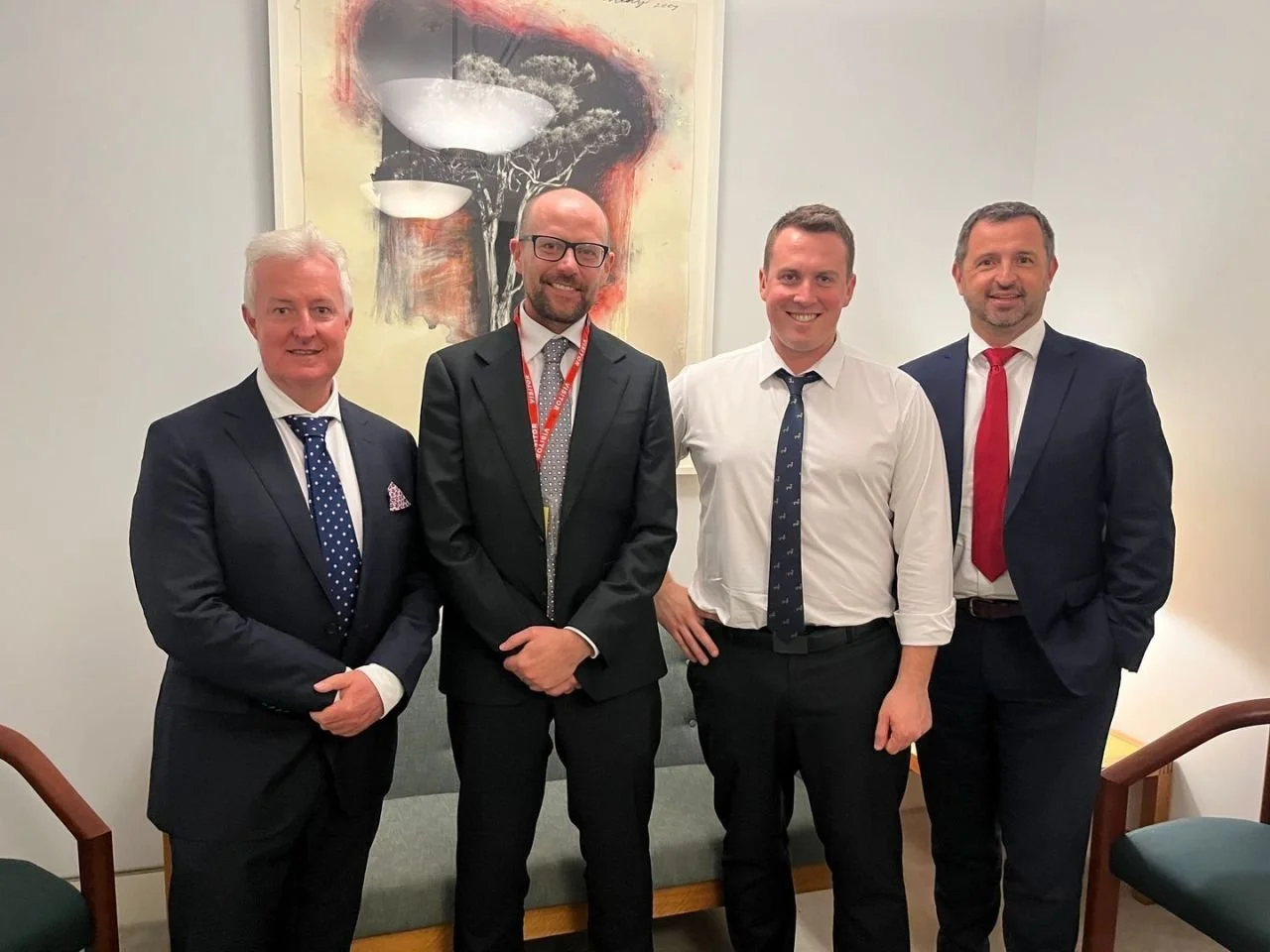
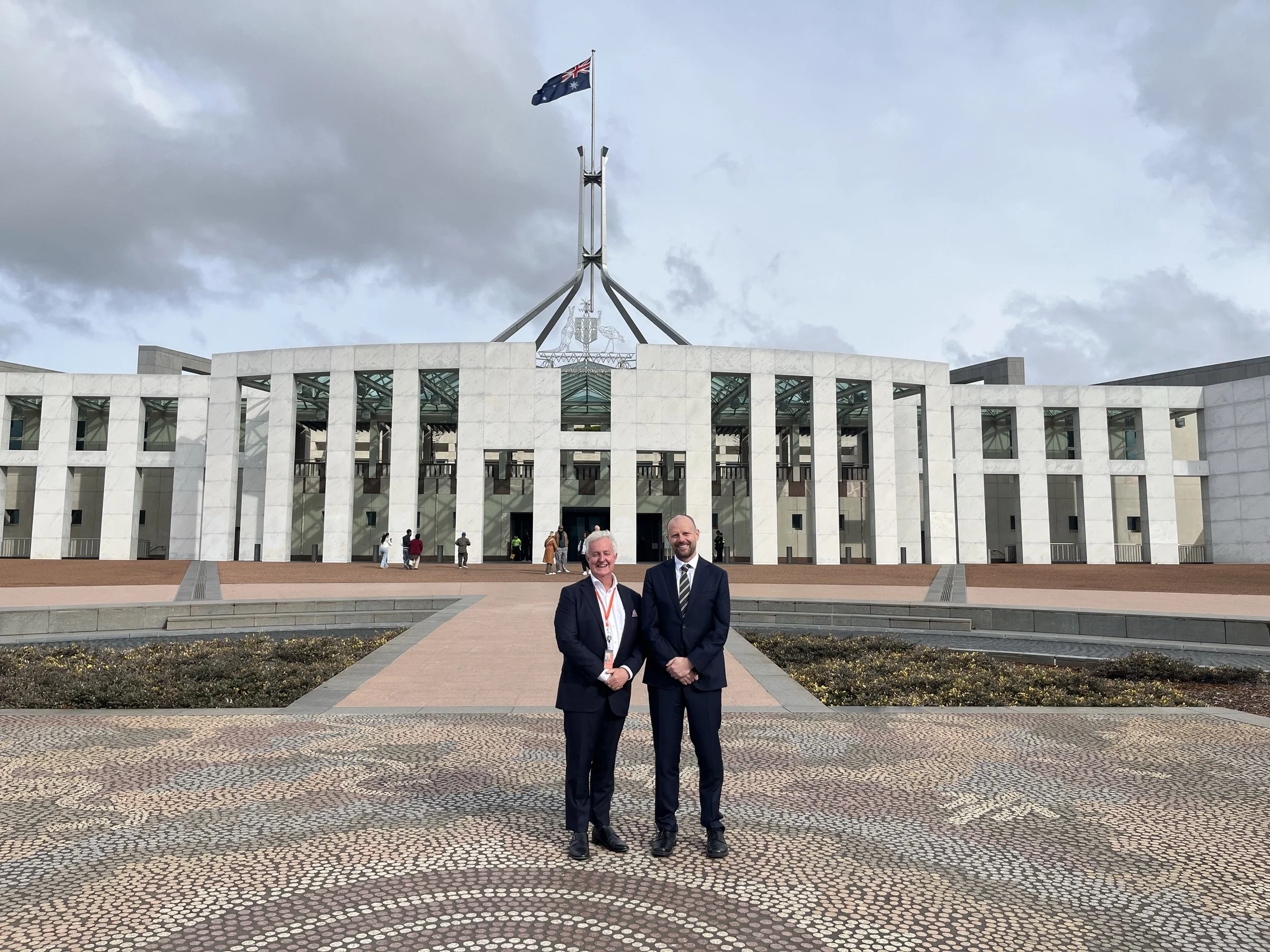
Immediate Past President Dr Stephen Gourley, President Dr Peter Allely, Dr Gordon Reid MP and ACEM CEO Brendan Peek at Parliament House in Canberra.
The Canberra visits have grown in scope and depth over the years. They now regularly involve an ACEM delegation meeting across party lines with ministers, shadow ministers, assistant ministers and members with key health committee roles. EMET has also been a useful entry point.
‘EMET has been a great tool because it is just such a success story,’ Dr Skinner said. ‘It’s given us a key to go to the federal government and say this is what good collaborative investment looks like.’
Parliamentary Friends of Emergency Medicine and Care
The culmination of this sustained engagement is the recent establishment of the Parliamentary Friends of Emergency Medicine and Care, a cross-party group that provides a more formal relationship between the College and elected members of the Federal Parliament. The group creates a standing mechanism for emergency physicians to brief parliamentarians, share data, and ensure that the issues the College cares about remain visible to decision-makers across sitting weeks and electoral cycles.
ACEM has a natural parliamentary champion in that work. Dr Gordon Reid MP, the Federal Member for Robertson, is an ACEM trainee who has served on the House of Representatives Standing Committee on Health, Aged Care and Disability since his election to Parliament in 2022. His understanding of emergency medicine from the inside has made him an effective advocate within the Parliament, and he is the inaugural co-chair of the Parliamentary Friends of Emergency Medicine and Care, alongside the Member for Kooyong, Dr Monique Ryan MP.
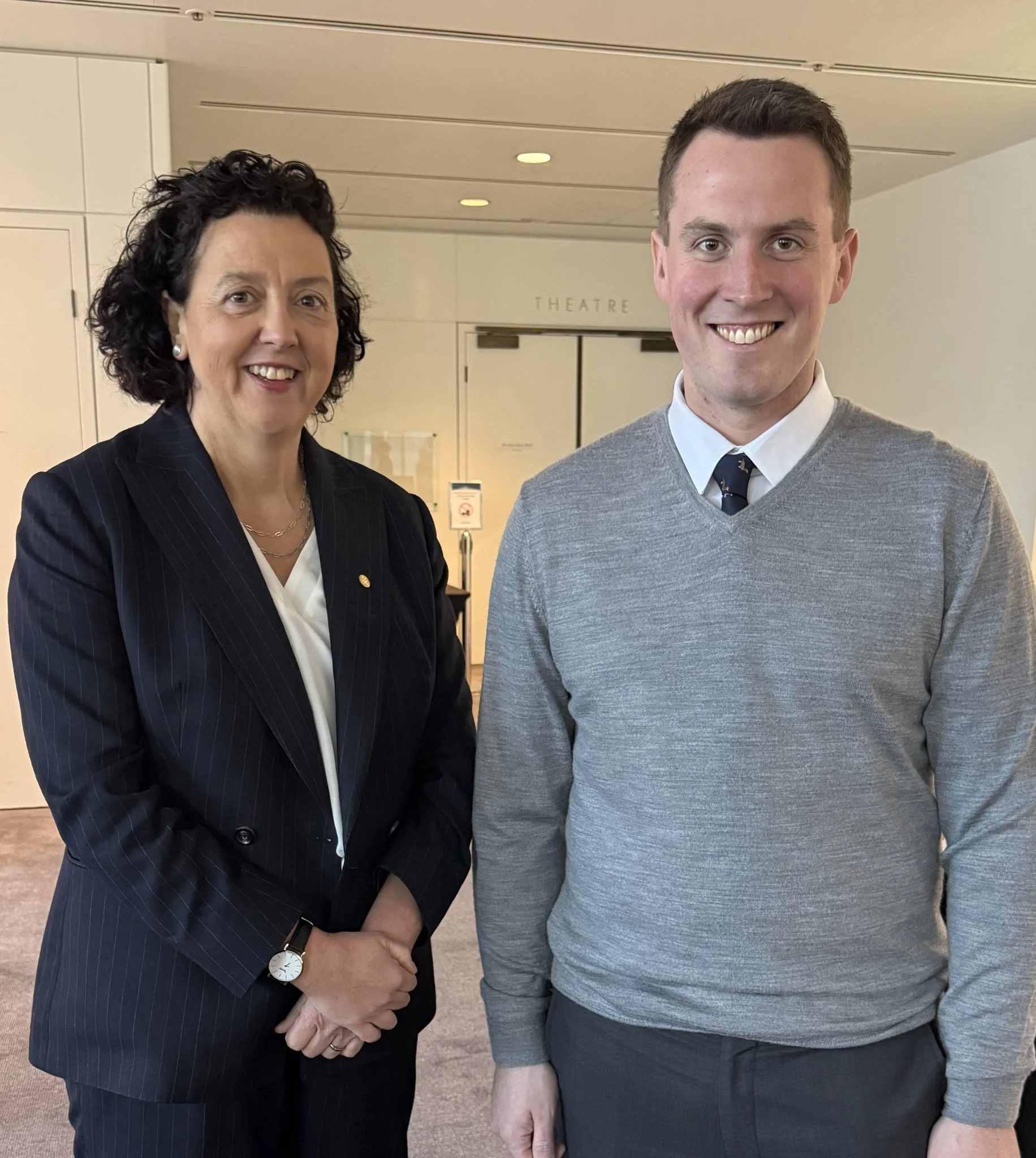
Member for Kooyong, Dr Monique Ryan MP, is the inaugural co-chair of the Parliamentary Friends of Emergency Medicine and Care, alongside Dr Gordon Reid MP, the Federal Member for Robertson, who is an ACEM trainee.
Dr Reid welcomed the establishment of the Parliamentary Friendship Group to promote greater relationship building between the Federal Government and the College.
‘As the inaugural co-chair of the Parliamentary Friends of Emergency Medicine and Care, alongside my parliamentary colleague, Dr Monique Ryan MP, I look forward to being a strong conduit between the Commonwealth Government and ACEM,’ Dr Reid said.
‘Through considered collaboration, this Parliamentary Friendship Group will be able to support greater patient care through better informed policy development.’
For Dr Judkins, the Parliamentary Friendship Group marks a moment that took decades to become possible.
‘It’s a significant milestone in advocacy and influence,’ he said. ‘It gives emergency medicine leaders regular and direct access to politicians and will allow ACEM timely and informative influence. It represents years of building our advocacy positions, our national agendas, our consistent quality leadership, and a lot of hard work by many, many people.’
“ACEM has increased its influence because its advocacy has been for its patients and the broader community, rather than just its own members. That has stood us all in good stead.”
Prof. Baggoley, who was there at the beginning of that journey, is clear about what drove the change.
‘ACEM has increased its influence because its advocacy has been for its patients and the broader community, rather than just its own members,’ he said. ‘That has stood us all in good stead.’
Current ACEM President Dr Peter Allely sees the Parliamentary Friendship Group as both the product of that work and the platform for what comes next.
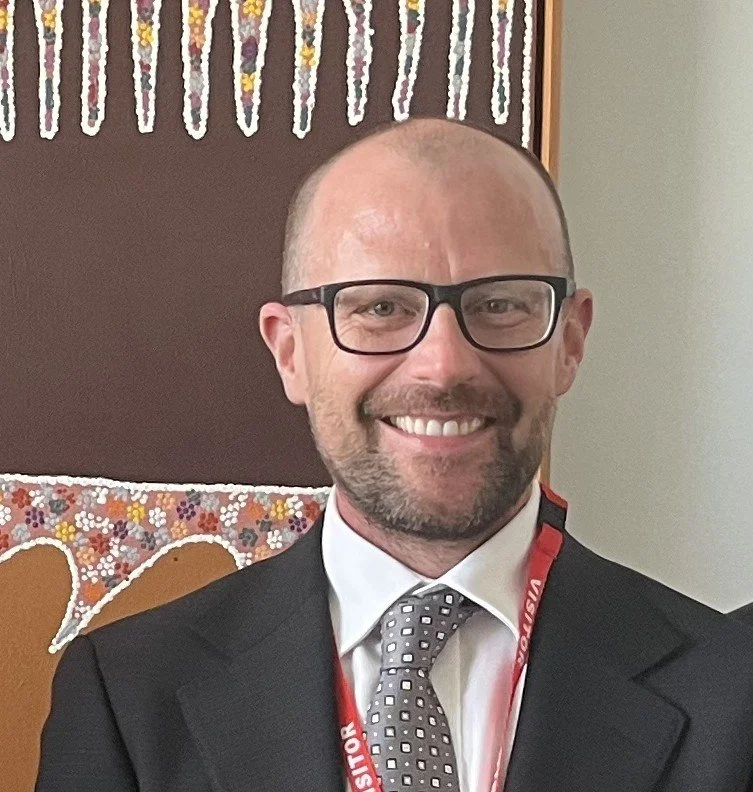
Current ACEM President Dr Peter Allely in Canberra earlier this year.
‘What those who came before us built is so, so important, and it matters that we honour it by making the most of what we now have. The relationships, the credibility, the seat at the table, these things are genuinely hard to earn and we have to keep earning them,’ Dr Allely said.
“What those who came before us built is so, so important, and it matters that we honour it by making the most of what we now have.”
‘The Parliamentary Friends of Emergency Medicine and Care gives us a way to do that with a consistency and a visibility that wasn’t possible before.’
Different decades, different rooms, different politicians. From those first meetings with Commonwealth public servants in the late 1990s to the regular engagement of 2026, what hasn’t changed is who ACEM is in the room for – its patients.
ACEM’s federal engagement continues, with the College launching its flagship State of Emergency report in Canberra later this year.