Spreading your wings: Take off for RRR success
‘I wasn't expecting to love working rurally as much as I do. I never thought I'd be offering to undertake a sole doctor gig in the remote Kimberley. That was a surprise.’
Dr Kathryn Lally is one of more than 350 ACEM EM specialist trainees across Australia and Aotearoa New Zealand currently embracing the opportunity to work in a rural, regional and remote (RRR) location as part of their ACEM training.
RRR placements offer trainees unique opportunities to learn and grow that complement metropolitan placements. In fact, a 2025 ACEM survey of EM specialist trainees in both metro and RRR settings showed that satisfaction levels about training, supervision and feeling safe and supported were almost identical no matter what the setting.
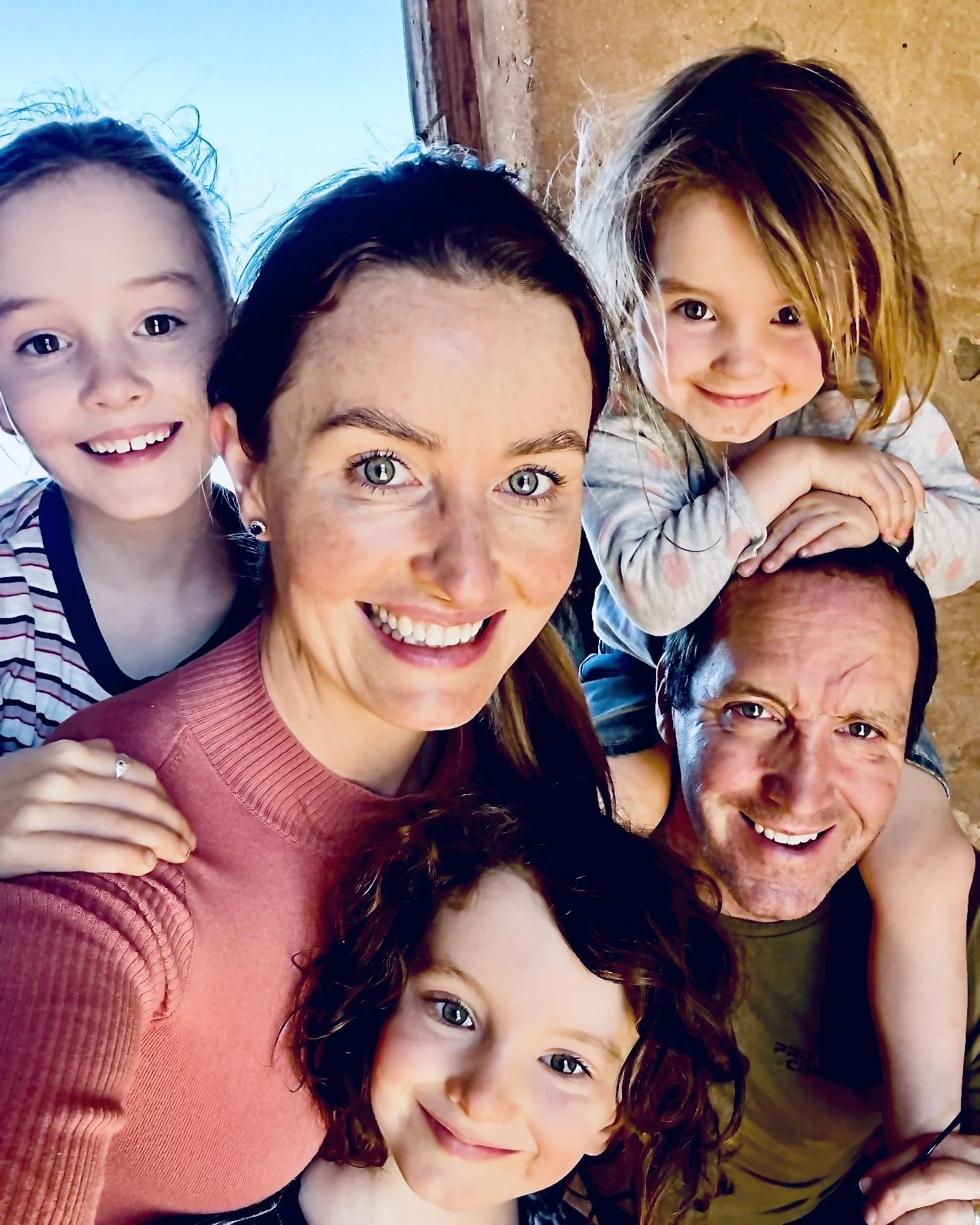
Dr Kathryn Lally and her family
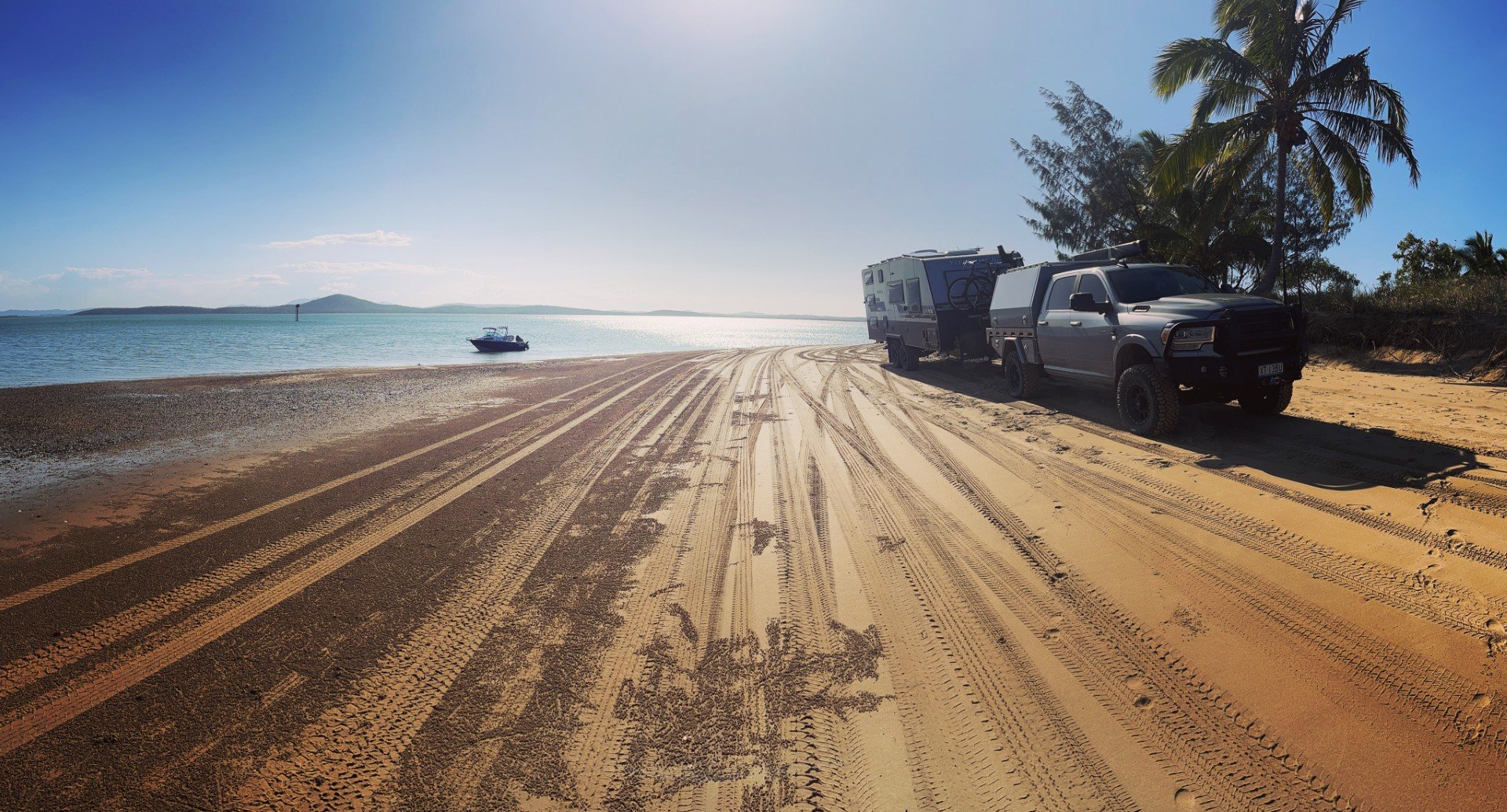
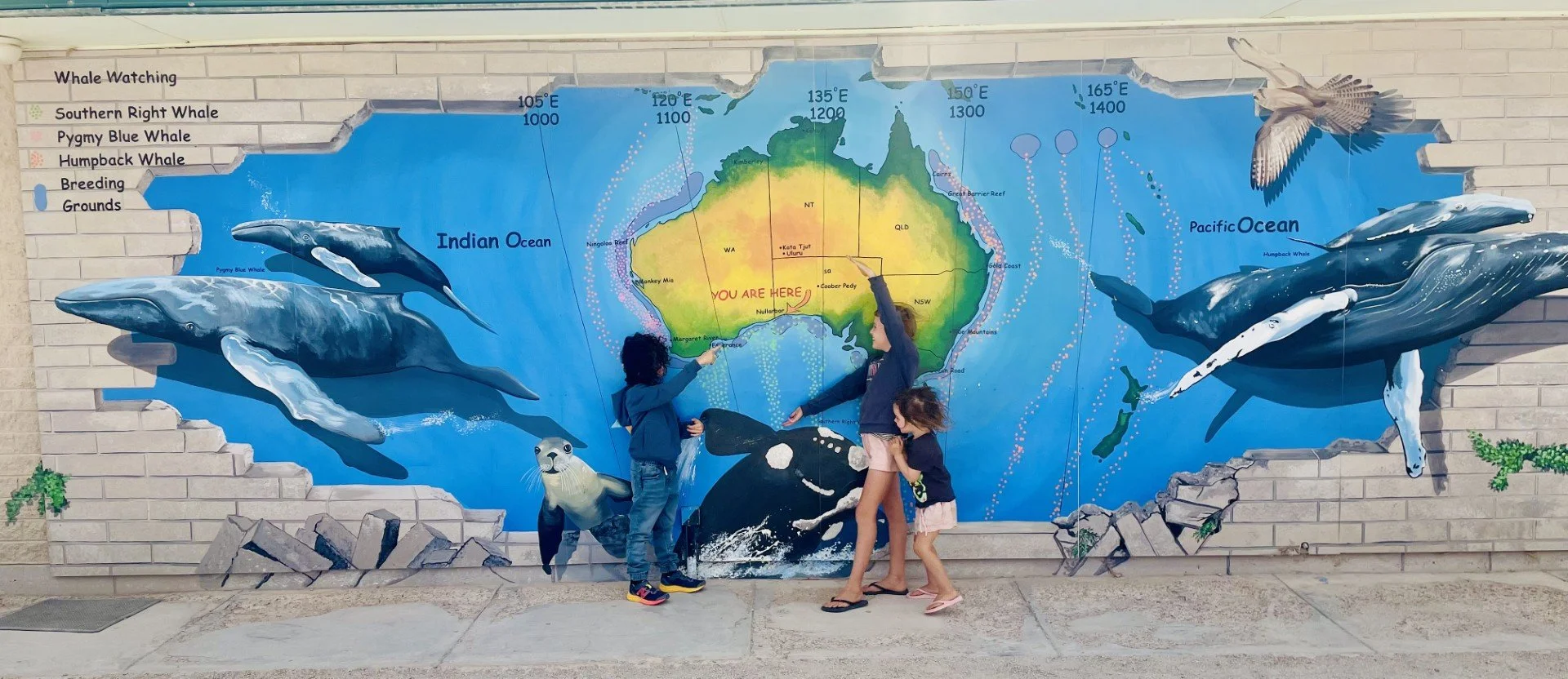
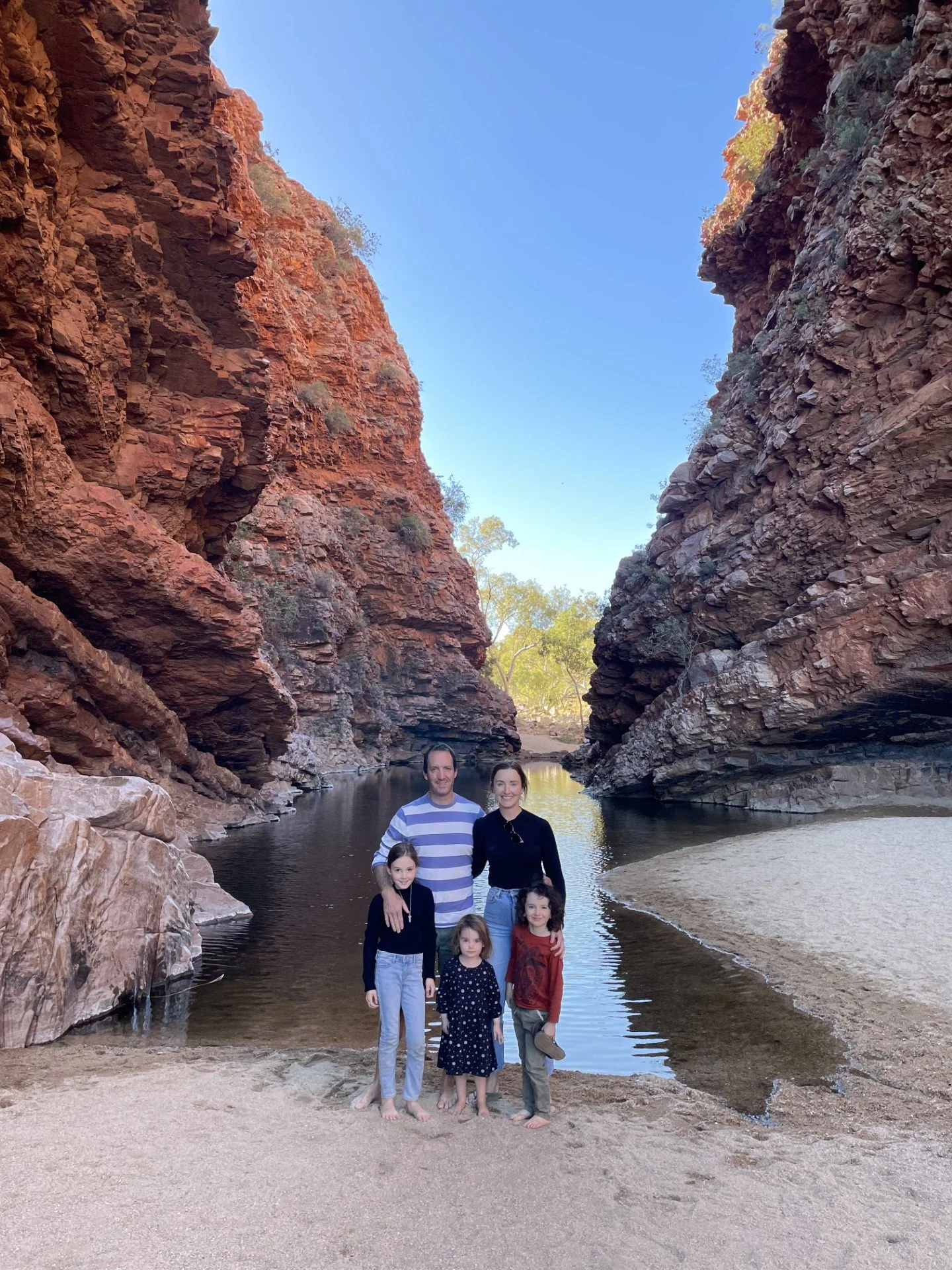
Kathryn was selected into FACEM training in 2018 in Tasmania, where she completed her primary exams and junior registrar years. Subsequently in 2022, Kathryn and her family decided to travel to Alice Springs to undertake her Intensive Care rotation. However, one thing led to another, and with the support of her husband, Chris, and three children, her placement turned into a family caravanning adventure exploring Australia by road. Since then Kathryn has undertaken ACEM training positions in Alice Springs, Albany, Perth, Geraldton, Broome and Kununurra. She is still travelling, has successfully completed her fellowship examinations and has recently been elected to Fellowship.
Kathryn was awarded ACEM’s Buchanan Prize and credits her RRR placements as a factor in her success.
“I think my RRR placements were beneficial, offering such a broad and diverse range of presentations and management of complex issues often without specialist inpatient teams.”
‘I was incredibly surprised to discover that I got the prize. I was delighted. I think my RRR placements were beneficial, offering such a broad and diverse range of presentations and management of complex issues often without specialist inpatient teams,’ Kathryn said.
‘As the only local exam candidate, I needed to be dynamic with my exam preparation, and I needed to develop the right mindset: “I can only do what I can do, and I'll do my best”, and once I developed a plan the stress levels settled. A lot of it is a mind game and not playing into the anxieties or hype. It's great to demonstrate that people can prepare regionally and achieve well.’
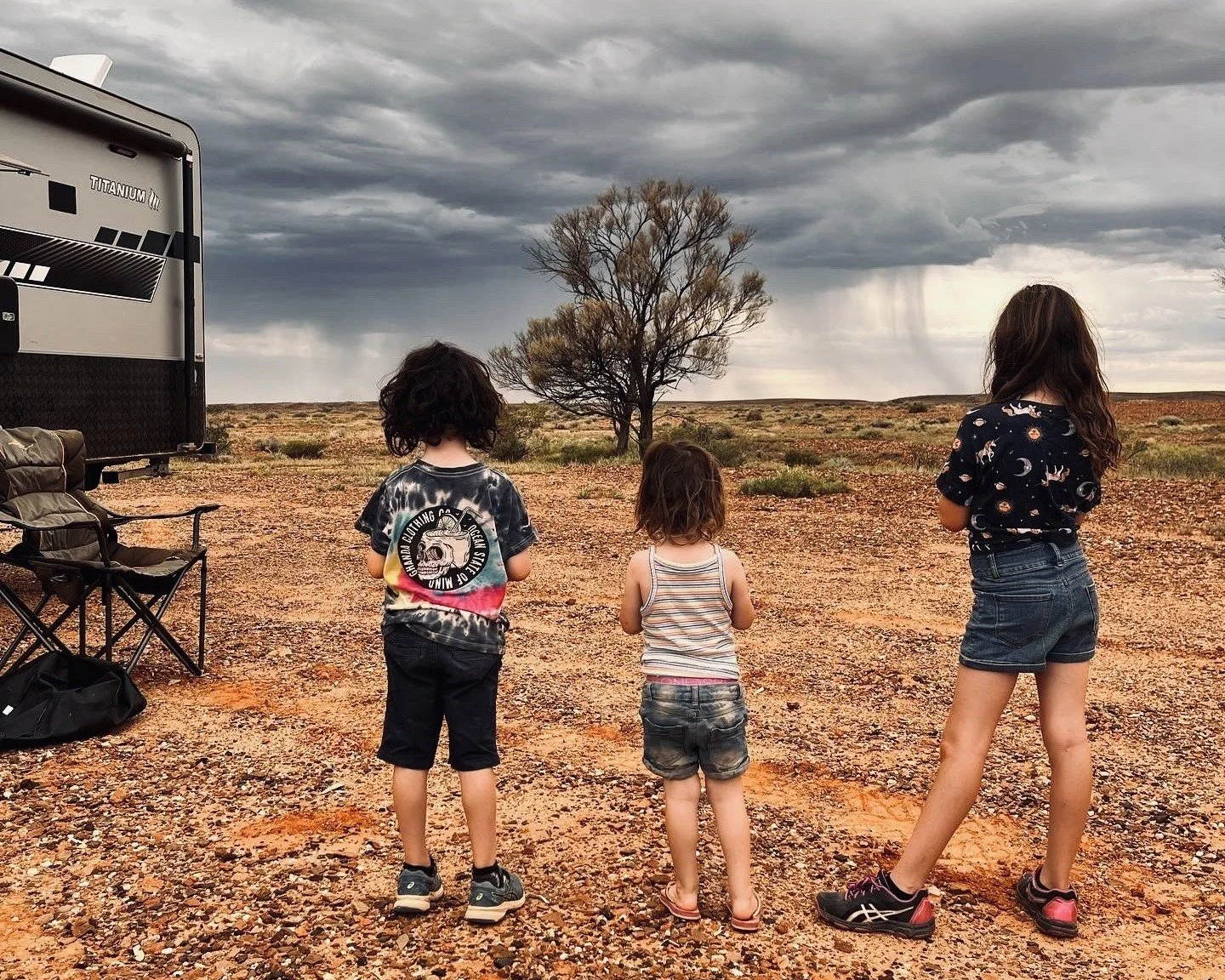
While Kathryn’s circumstances were unusual for an ACEM trainee at the time, she said it just required a different mindset, and a bit of motivation and determination to make it work.
‘To get through my fellowship written exams, living in a caravan with three young children, I studied for four hours via FaceTime with a friend in Sydney in the morning, and then did an hour and a half in the evening while my husband prepared dinner. That was our routine,’ Kathryn said. ‘And then the rest of the day, we went out and enjoyed family life. We hiked a lot, we’d go to the beach, do whatever we wanted to do, when I wasn’t working.’
Kathryn said that working in a RRR setting and learning to cope with the challenges and issues inherent in that environment had made her a more dynamic doctor and set her up for the OSCE.
“Honestly, the widespread support and generosity I received showed me an amazing ACEM community.”
While there are established resources such as OSCERT which are available free and online to assist Regional ACEM Trainees in their OSCE preparations, Kathryn was grateful that some FACEMs from previous jobs, and some she’d never met, went out of their way to help her prepare.
‘The OSCE preparation I found a little bit trickier than the written. It was rather dynamic, and I created opportunities wherever I could for practice. I was working in Geraldton at the time. Two FACEMs would come up regularly from Perth. They were very generous with their time and helped me prepare when they were there. There were also locum FACEMs working sporadically I unashamedly reached out to, who were happy to oblige.’ she said.
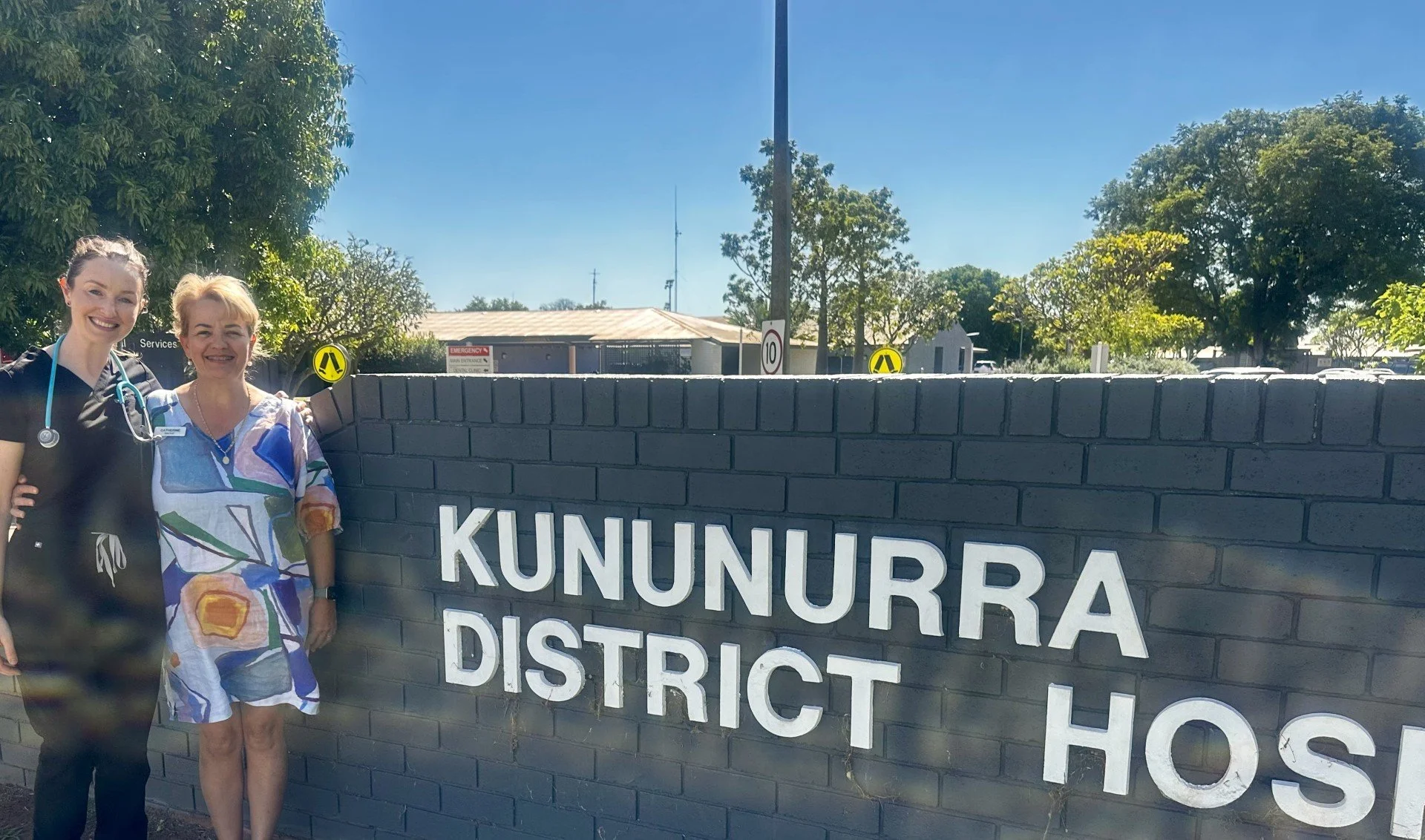
Dr Kathryn Lally with Dr Catherine Engelke outside Kununurra District Hospital
‘I contacted teams at some of the Perth hospitals, letting them know my situation. I travelled to Perth twice where I was generously included in the mock exam and welcomed at some OSCE study sessions at a variety of hospitals. I was even invited to attend some sessions in the homes of a few FACEMs - two of whom I’d not previously worked with. The Royal Hobart Hospital team generously organised for me to Zoom in on their mock exam and a few FACEMs from across the country kindly helped me build my confidence via some videolink sessions. Honestly, the widespread support and generosity I received showed me an amazing ACEM community.’
Having worked and travelled extensively during her training, Kathryn is well acquainted with the issues facing emergency care, and health care in general, in RRR regions. These issues are well documented. ACEM’s State of Emergency 2024: Regional, Rural and Remote (SOE24) found that while the demand for emergency care per head of population in RRR areas is 27 per cent higher than in cities, the available EM specialist workforce is 22 per cent lower. According to the data, more than half of RRR EDs employ locum EM specialists, compared to just 12 per cent of EDs in cities.
“Our rural, regional and remote regions are a rich and diverse source of emergency medicine experience offering trainees the opportunity to develop robust clinical skills by engaging with a broad array of cases commonly seen outside urban environments,’” ACEM President Dr Peter Allely said. “This RRR experience will help develop flexible and adaptable professionals with a solid generalist foundation.”
Kathryn said her RRR placements had been life-changing experiences for her and her family, and they planned to continue to travel and undertake some more remote work before settling down to start her career at the remote Broome and Kununurra Hospitals (MMM6 and MMM7).
‘Having lived and worked in various regional and rural communities, we’ve developed strong networks. This is fantastic as Chris, the kids and I now have connections to these people and places, providing us with so many places to go back to, and opportunities for the future.’
“‘I really love rural and remote work. It has built resilience for me as a person and a doctor. It’s given me a great amount of respect for Rural Generalists and what they’re dealing with in these communities with limited resources. ”
‘I really love rural and remote work. It has built resilience for me as a person and a doctor,’ she said. ‘It's given me a great amount of respect for Rural Generalists and what they're dealing with in these communities with limited resources. It’s provided me an insight into the amazing patient outcomes they achieve, in addition to the limitations and struggles they face. I think having ACEM trainees undertake placements in rural and remote areas not only greatly builds their skills and resilience but really adds to building mutual respect with our Rural Generalist colleagues.’
‘I can work now [and be] incredibly versatile, it takes a fair bit to get me stressed. I know that I can manage most things because I've had to do it in a resource-limited environment a lot of the time.’
‘I really think that having trainees gain exposure to a rural area, or better still, a remote site can really help [them] improve their skills and encourage that cross-professional respect and understanding.’

‘In WA, logistics are huge, there are ambulance crews, often volunteers, that may drive hundreds of kilometres to transport a patient to hospital, then you might wait anywhere between six and 96 hours for the Royal Flying Doctor Service to pick up your patient, depending on weather and acuity across the state,’ Kathryn said.
‘There are scary times where you have an unstable patient pending a delayed transfer and you support the patient the best you can. There is of course always support from your skilled Rural Generalist colleagues or a friend at the end of the phone or via videolink.’
‘I think that in itself as a trainee, having that exposure to prolonged patient care and what to do next, is something that a lot of metro candidates don't always get,’ Kathryn said. ‘It’s a really good opportunity to care for these patients and gives you an idea of what usually happens next out of the ED, and how to manage it.’
‘I have learned a lot and continue to learn. I have developed skills to manage my own anxieties and workload well. Importantly, my work and studies since being on the road have rarely affected my family life. If you can keep your work-life balance good, then everything falls into place.’
‘I've loved seeing my kids' ability to live outdoors and enjoy different environments and communities. They have developed resilience, adaptability and respect for sustainability. They accept there are differing beliefs of people and communities and have some understanding of the discrepancies in equality throughout Australia. These things all make me proud as a parent.’
“I can work now [and be] incredibly versatile, it takes a fair bit to get me stressed. I know that I can manage most things because I’ve had to do it in a resource-limited environment a lot of the time.”
Kathryn had one final piece of advice for ACEM trainees planning a placement in a RRR setting – to make the most of it.
‘Make sure you give yourself time to explore the region you are working in. Don't just go there, work, and leave. Go and enjoy the region and make sure that you actually get to know the place, the people and the community. You may find you want to spend a bit longer, or even call it home.’
Click here to watch Dr Kathryn Lally speaking at ACEM’s 2025 RRR conference.
This story is part of an ongoing ‘RRR in the Spotlight’ series of articles highlighting the great work being done by FACEMs and ACEM trainees in RRR settings.
As part of ACEM’s commitment to enhancing emergency care across all regions of Australia and Aotearoa New Zealand, ACEM is introducing a regional, rural and remote training requirement for all trainees who commence the FACEM Training Program from 2027.
The College’s RRR training placement aims to provide trainees with comprehensive clinical exposure by offering a broad spectrum of cases prevalent in RRR emergency departments, supporting the development of well-rounded emergency physicians, grounded in the generalist emergency care foundations of the profession. By training in RRR settings, ACEM trainees will contribute to addressing healthcare disparities and ensuring that high-quality emergency care is accessible to all populations, regardless of location.
The six-month (FTE) RRR training requirement applies to new trainees commencing FACEM training in 2027. People will be required to formally acknowledge this training requirement as a condition of their acceptance of a place on the training program.