Human touch – the value of RRR medicine
As an ACEM trainee from Aotearoa New Zealand, Dr Olly Aughton has worked in the hustle and bustle of metropolitan emergency departments (EDs) in Auckland and Wellington. However, he said it was when he stepped away and embraced his placements in regional, rural and remote (RRR) settings that he learned about the power of practicing emergency medicine with a human touch.
Working in RRR EDs in towns such as Oamaru, Gore and Blenheim showed Olly that spending a few extra minutes with patients to build a ‘human connection’ can make all the difference to successful diagnosis and positive patient outcomes, especially in resource-limited settings.
“If you take an extra couple of minutes with a patient and dig into their social history a little more, you get these beautiful human stories that you can use to really help you make good decisions that fit the patient in front of you, which is much easier to do in a rural setting.”
‘Something that I really value in my work is guiding a patient through an illness and through the medical system, because it's bloody scary, and it's something that I feel we can add value to,’ Olly said.
‘If you take an extra couple of minutes with a patient and dig into their social history a little more, you get these beautiful human stories that you can use to really help you make good decisions that fit the patient in front of you, which is much easier to do in a rural setting.
‘You can often get a better history,’ Olly said. ‘You find a diagnosis quicker or you come to a disposition plan in a quicker way that is more acceptable to the patient.
‘It directly impacts patient outcomes and how their diagnosis is treated, if you are able to build rapport with your patients and understand them holistically,’ Olly said.
‘Obviously it is about getting the diagnosis correct and making sure we're giving them the correct treatment. But in that rural setting, it's so much more human and so much more complex than it is just to sort of refer to a service, for example: “refer to neurology, neurology takes over, patient leaves ED with neurology”. You get an opportunity to be more of a human being in some ways.’
Opportunities to learn
Olly is one of the 34 ACEM EM specialist trainees in Aotearoa New Zealand currently embracing the opportunity to do a RRR placement as part of their ACEM training.
The opportunities to learn and grow that RRR placements offer complement those offered by metropolitan placements. In fact, a recent ACEM survey of EM specialist trainees showed that RRR placements were highly valued by trainees for the training opportunities and skill development, clinical and non-clinical training and ED culture they offered.
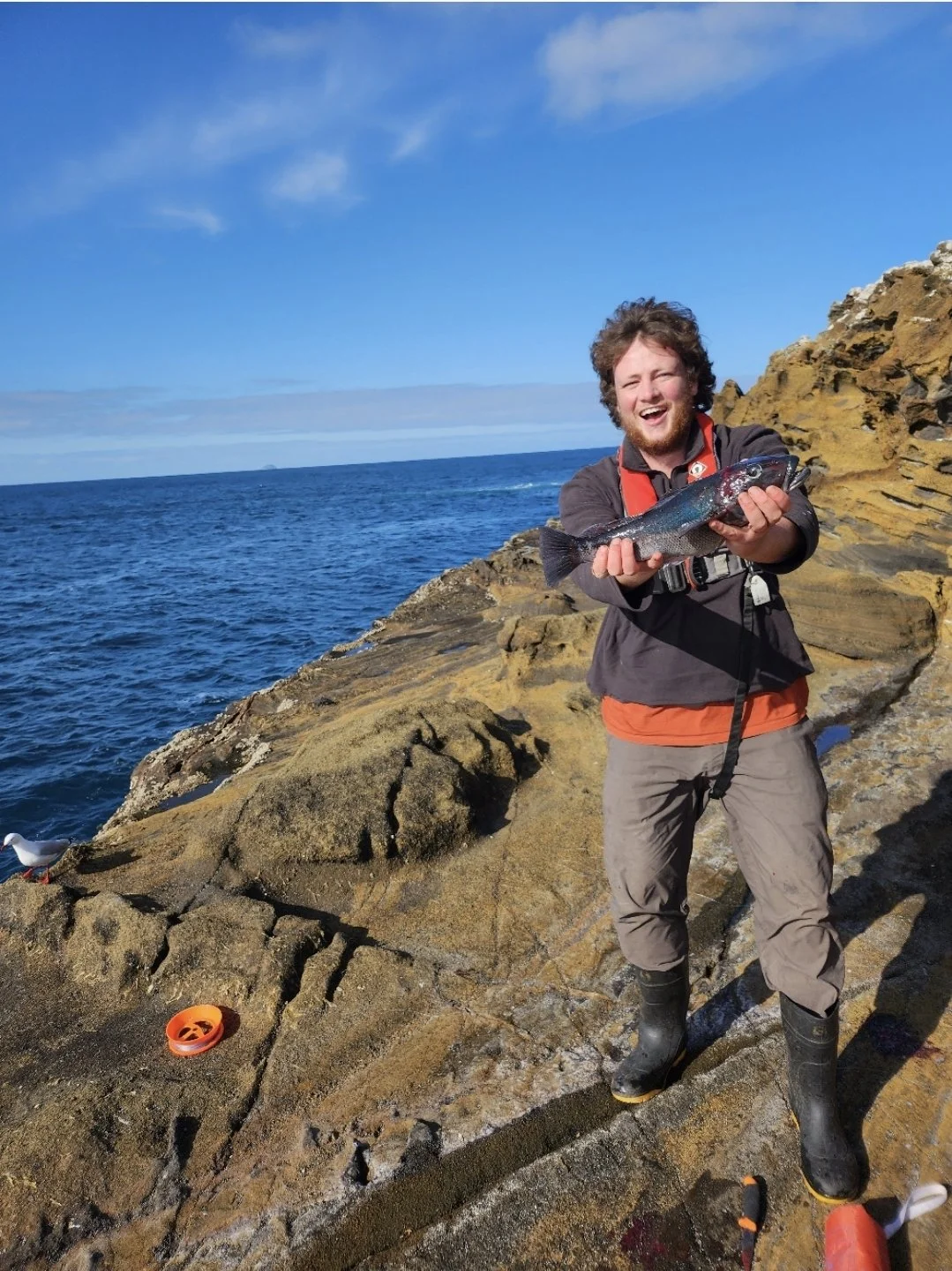
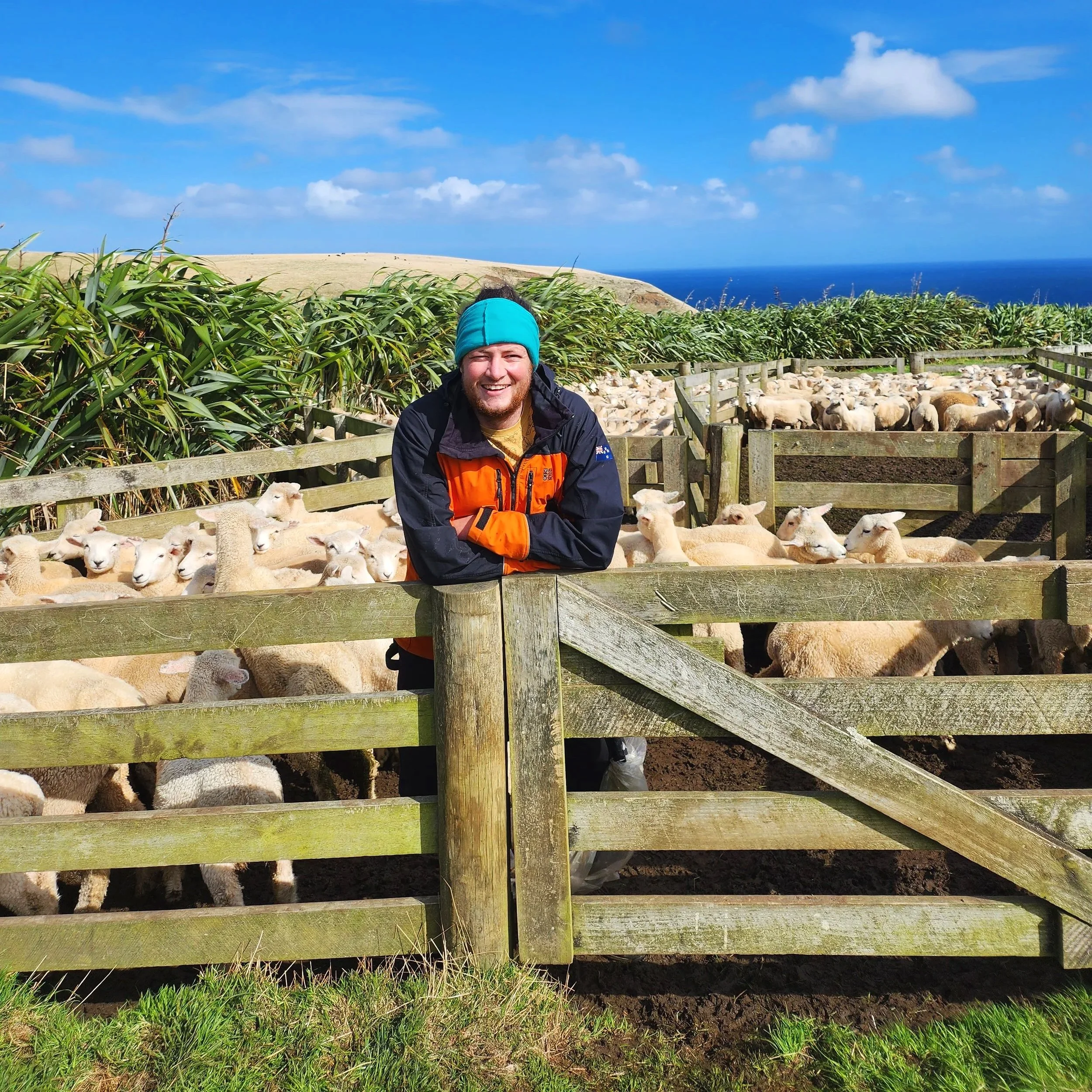
Olly enjoying some of the associated benefits of working in a RRR location.
Originally from the United Kingdom, Olly has done all his medical training in Aotearoa New Zealand. He is currently working in Dunedin Hospital's ED, which serves as the primary tertiary hub for the Otago and Southland regions of Aotearoa New Zealand, providing specialised care for approximately 330,000 residents. As a major base hospital, it supports smaller RRR EDs in surrounding towns, including managing patient transfers for complex trauma and critical cases.
‘One of the biggest challenges is when you're at your ceiling and you need to move the patient to a bigger centre, those medical evacuation situations,’ Olly said. ‘If you wait until you're at your level of “I can't deal with this anymore” and then decide you need to transfer, you're in trouble. And the reverse to that, obviously, is pulling the trigger far too early and sending people that don't necessarily meet the correct risk profile for transfer. So, balancing that is very challenging.’
To help address the isolation and attitudes held by some about RRR placements, Olly is involved in establishing ACEM’s RRR training networks in New Zealand, a project he is enthusiastic about.
Accredited Training Networks
In Australia, ACEM's Accredited Training Network (ATN) pilot project, funded by the Australian Department of Health, Disability and Ageing’s Flexible Approach to Training in Expanded Settings (FATES) and the Victorian Department of Health's Medical Specialist Training (VMST) program, aims to improve FACEM training opportunities in regional and rural Australia.
ATNs emphasise collaborative education and teaching, coordinated rotation planning and expanded training opportunities to ensure each trainee’s training pathway is considered and supported, regardless of which site they are based within the ATN.
‘A feeling that I think a lot of [trainees] have is that you train very hard for a very long time and then you go into the sticks and it's a little bit more isolated professionally as well as personally,’ Olly said.
Tricky balance
‘I think it's a really tricky balance. You need to be able to develop independent practice, develop your own sort of style as a clinician, develop your own decision-making techniques in a safe and practical way. But that's the balance I enjoy, and why I appreciate the way ACEM is approaching this with a collaborative approach with ACRRM and the Division of Rural Hospital Medicine New Zealand. This is a really significant area where risk and harm could come to patients if we don't do it properly. I'm passionate about doing it properly.’
ACEM Aotearoa New Zealand Council Chair Dr Michael Connelly said that it is essential to support the country’s RRR network to ensure that all people could access high quality emergency care.
“RRR placements support the development of well-rounded emergency medicine doctors. By training in RRR settings, trainees will be aware of existing healthcare disparities first hand. They can be better positioned and inspired to help resolve such disparities and be part of the solution to ensure that high-quality emergency care is accessible to all populations, regardless of location.”
‘Regional, rural and remote placements will now be an integral part of ACEM’s training programs,’ Dr Connelly said. ‘RRR placements support the development of well-rounded emergency medicine doctors. By training in RRR settings, trainees will be aware of existing healthcare disparities first hand. They can be better positioned and inspired to help resolve these disparities and be part of the solution to ensure that high-quality emergency care is accessible to all populations, regardless of location.’
RRR trainee tips
Olly had a couple of tips for trainees about to embark on a RRR placement.
‘There are two things that I love about rural places,’ Olly said. ‘Firstly, the staff. It's often a small hospital, a small team. Even if I've been somewhere two or three years ago, if I go back and locum there, I will know the majority of that team straight away. [Compared to] a big metropolitan hospital, you just know your team way more intimately.’
“Go in there with an open mind to learn about how they deliver care in such a resource-limited environment, [Remember that] you’re going to a place that has incredible challenges, and often these places and people have worked out amazing ways to work, and they know the logistics like the back of their hand.”
‘Go in there with an open mind to learn about how they deliver care in such a resource-limited environment,’ he said. ‘[Remember that] you're going to a place that has incredible challenges, and often these places and people have worked out amazing ways to work, and they know the logistics like the back of their hand. Use their specialty in their understanding of their environment to really help you understand how they deliver the healthcare that they can, and appreciate that they're doing an amazing job based on the resources that they have.’
He also said the more you put into your placement, the more you get out of it.
“Just get stuck in. The last thing you want to do is be standoffish and worried about it. Just make sure you are onside with your team and get stuck in, because there will be stuff for you to do.”
‘Just get stuck in,’ Olly said. ‘The last thing you want to do is be standoffish and worried about it. Just make sure you are onside with your team and get stuck in, because there will be stuff for you to do.’
‘Sometimes it'll be working outside of your comfort zone. As long as you have an appropriate supervisor to talk to and an escalation plan for what happens, I think those are some of the most valuable things that you will learn during your whole training.’
This story is part of an ongoing ‘RRR in the Spotlight’ series of articles highlighting the great work being done by FACEMs and ACEM trainees in RRR settings.
As part of ACEM’s commitment to enhancing emergency care across all regions of Australia and Aotearoa New Zealand, ACEM is introducing a regional, rural and remote training requirement for all trainees who commence the FACEM Training Program from 2027.
The College’s RRR training placement aims to provide trainees with comprehensive clinical exposure by offering a broad spectrum of cases prevalent in RRR emergency departments, supporting the development of well-rounded emergency physicians, grounded in the generalist emergency care foundations of the profession. By training in RRR settings, ACEM trainees will contribute to addressing healthcare disparities and ensuring that high-quality emergency care is accessible to all populations, regardless of location.
The six-month (FTE) RRR training requirement applies to new trainees commencing FACEM training in 2027. People will be required to formally acknowledge this training requirement as a condition of their acceptance of a place on the training program.
Click here to find out more about OSCERT online OSCE training resources for RRR trainees.
Click here to find out more about ACEM’s Accredited Training Networks.