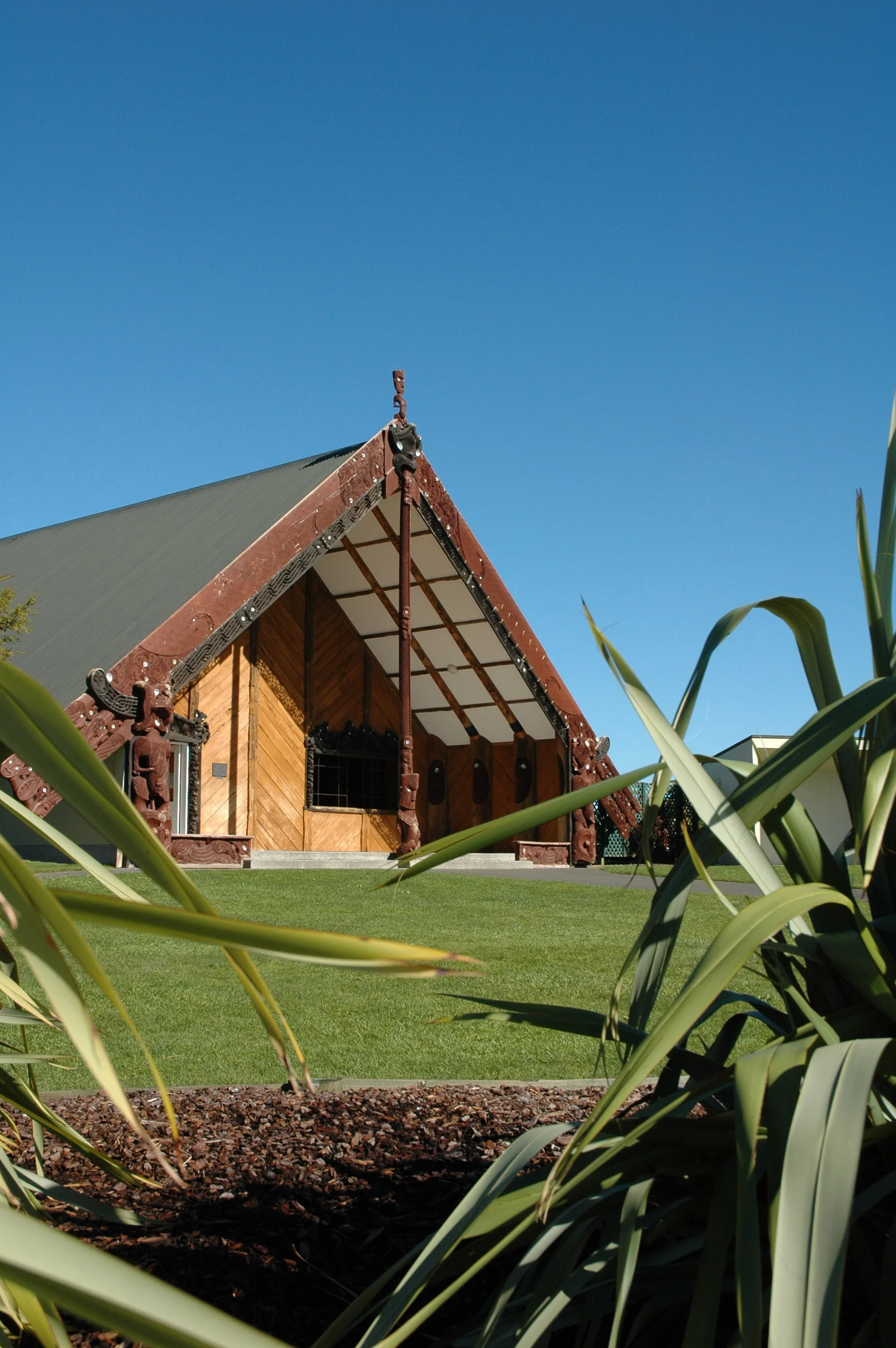
Championing Māori health equity - Manaaki Mana Kaikōkiri Hui
At Rotorua Hospital, the working day begins with staff, patients and whānau (family) meeting in the hospital atrium for karakia (blessing) and waiata (song). The daily gathering has become a valued opportunity to connect, reflect and learn together – the same philosophy at the heart of this year's Manaaki Mana Kaikōkiri Hui (10-12 August 2026) in Rotorua.
‘Everyone is at different levels on their cultural journey, and it is about learning from one another,’ FACEM and Head of Rotorua Hospital Emergency Department (ED) Dr Kate Kerr said.
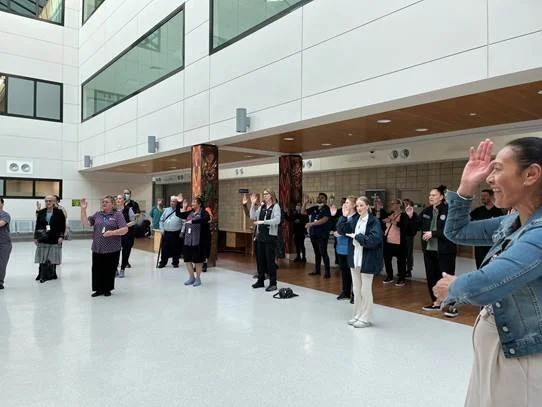
A member of the hui organising committee, Dr Kerr said the event will celebrate the mahi (work) EDs are doing to advance Māori health equity in emergency care, while also exploring challenges and learning opportunities to strengthen this mahi.
'Previous hui attendees have said that what they found most valuable was learning from one another, hearing about what is working in emergency departments and communities, how EDs are strengthening their networks. This hui will focus on wānanga (open forum for discussion). It will bring people together who are passionate about cultural safety and equity.'
“This hui will focus on wānanga (open forum for discussion). It will bring people together who are passionate about cultural safety and equity.”
Embedding cultural safety at Rotorua Hospital
The morning session of karakia and waiata at Rotorua Hospital is led by the hospital’s Te Aka Matua Kaupapa Māori Services team. Holding the session in the hospital’s atrium right outside the ED makes it easy for ED staff to attend as they can quickly return to the ED if needed, Dr Kerr said.
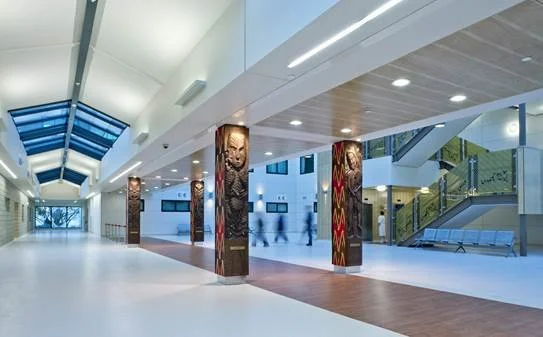
The kaupapa Māori Services team, which has been at Rotorua Hospital since 2017, initially held these sessions for their own team before deciding to make these available for all hospital staff, as well as patients and their whānau.
'The wards are located above the atrium and the windows from the patients’ hospital rooms look down on it,’ Dr Kerr said. ‘Every day you can see patients looking on, while others come down the lift, or are wheeled out by the nurse or their whānau to join the circle.
‘It has grown into something that belongs to the whole hospital and has become a really valued part of our workplace.'
Dr Kerr said feedback has been very positive, especially from new staff including RMOs, nurses and students, as 'many haven’t experienced this in other places.'
'Everyone relates to it differently. For some it’s mainly spiritual with the karakia, while for others it’s time to stop and have a moment to connect with colleagues before they start their day. Some people come every day while others attend on particular days of the week. Some teams structure their handovers earlier or later so they can come.
“It is very inclusive and it has become ingrained in how we welcome and introduce new kaimahi (staff) and manuhiri (visitors).”
'It is very inclusive and it has become ingrained in how we welcome and introduce new kaimahi (staff) and manuhiri (visitors). We start with a waiata and then a kōrero (discussion) from the kaupapa Māori team welcoming everyone.
‘Sometimes they acknowledge an event such as Matariki and then always open the session up to the floor.
‘When we have new staff, we will introduce them to everyone, and they can say where they are from, where they have worked, their role at the hospital. The group welcome fosters whakawhanaungatanga (establishing and nurturing relationships).
'I come away from it feeling grounded and inspired. It gives you a strong sense of connection and belonging. Not everyone in the hospital works within a close team like the ED team environment. They may be isolated working in their office all day or in the outpatient’s area for example, so this gives all staff the opportunity to feel part of a team.'
Breaking down silos
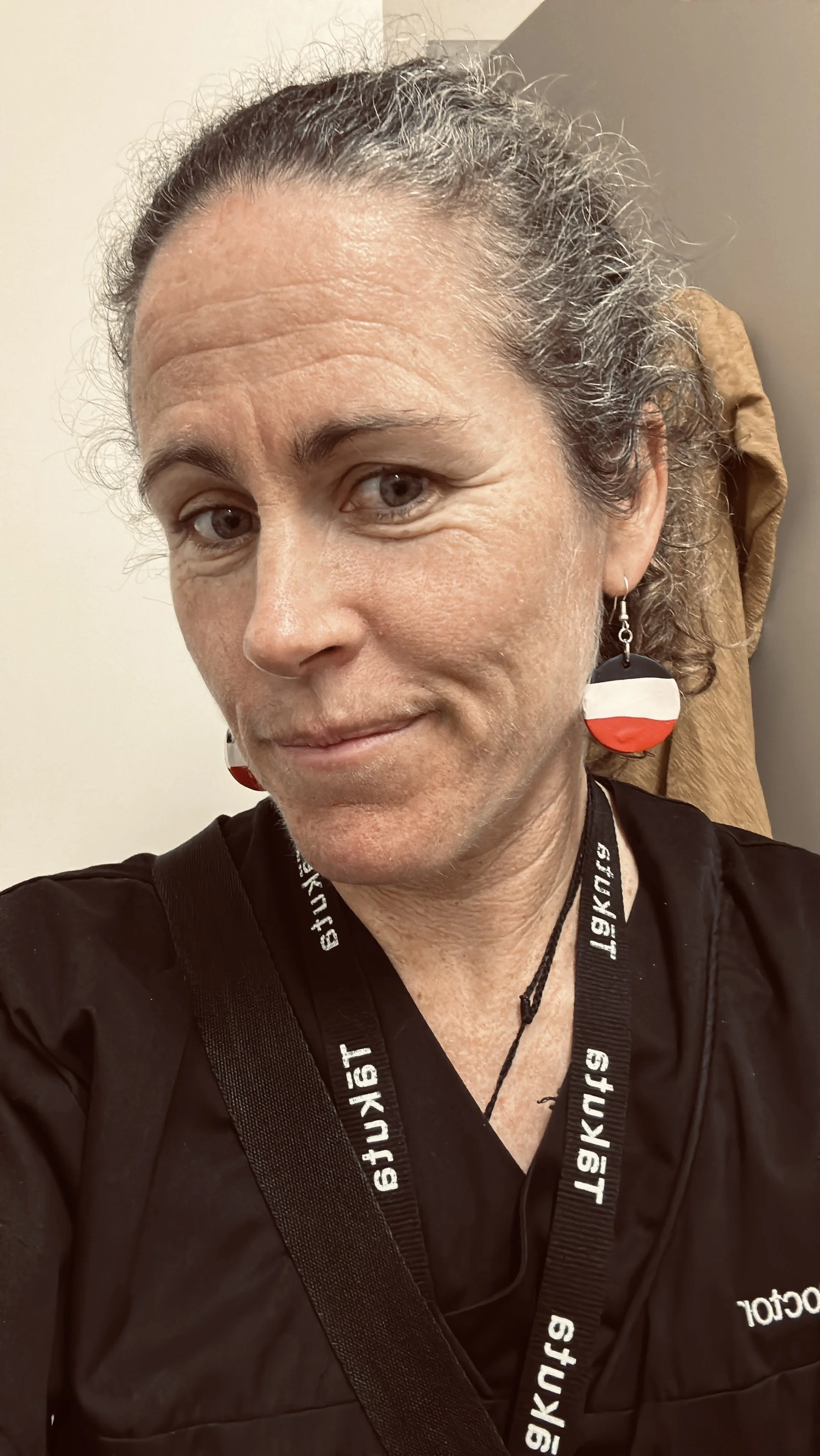
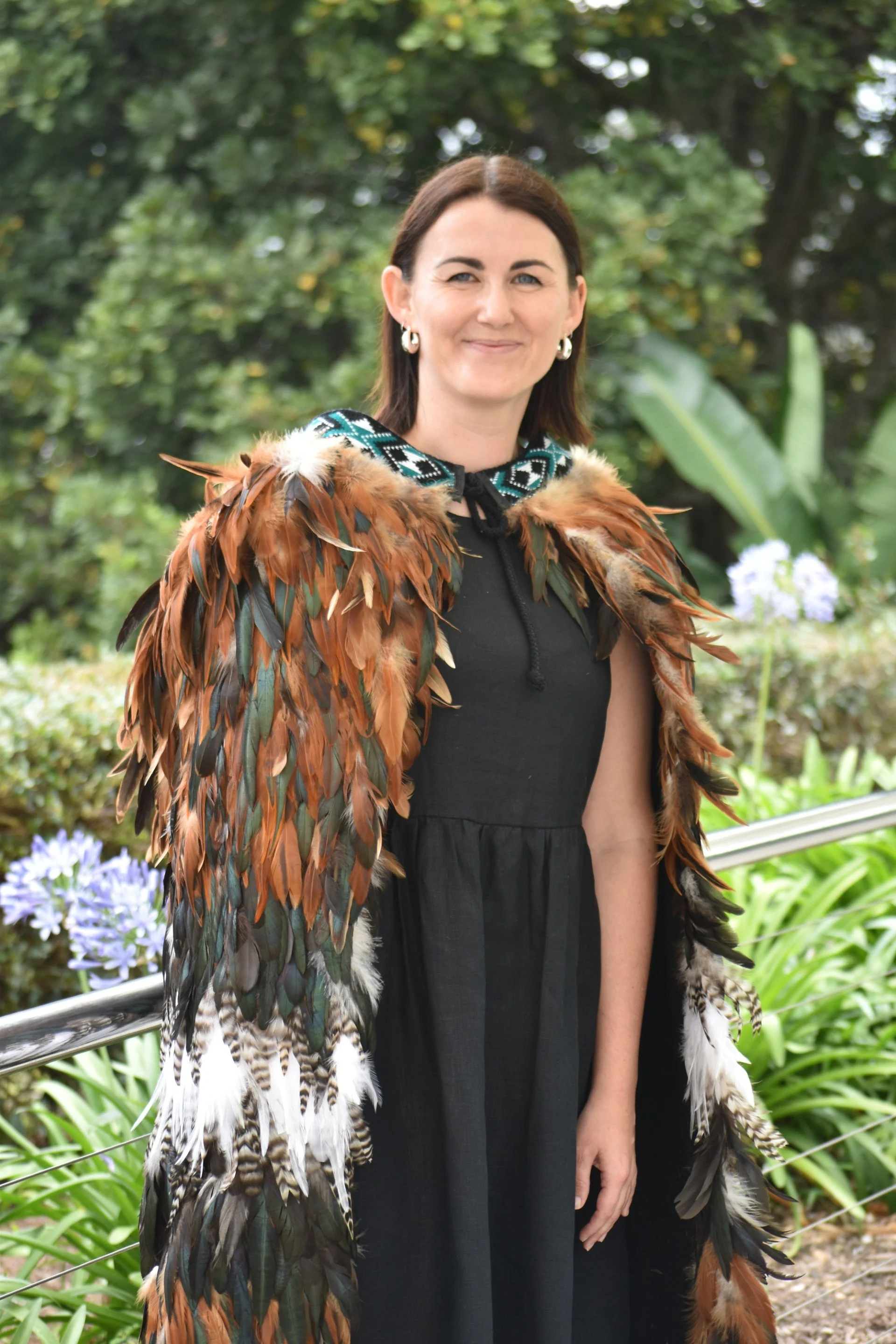
FACEM and Head of Rotorua Hospital Emergency Department Dr Kate Kerr is a member of the Manaaki Mana Kaikōkiri Hui working group.
Dr Kerr said the cultural morning sessions have also been instrumental in breaking down hospital silos.
'It has brought greater cohesion. The hospital is a busy place so it’s an opportunity to pause, to gather as a team and to foster this feeling that we are working towards a common goal.
‘After the group activity finishes, people naturally seek each other out. Someone spots a colleague across the circle, they have a conversation, raise a work issue or reconnect. Those interactions might never have happened otherwise.’
The morning session has set the foundation for a stronger connection with the kaupapa Māori team, she said.
'You may want to talk to them about a patient, or have questions about cultural aspects, and you can share what you did and learn about how you might have approached things differently.
‘It’s a lot easier to approach the team, and to feel comfortable, when you know them personally and you have a connection with them.’
Manaaki Mana strategy - progressing health equity in practice
The Manaaki Mana strategic framework Te Rautaki Manaaki Mana Excellence in Emergency Care for Māori has been immensely useful for providing direction to the ED team, Dr Kerr said. A revised version of the strategy will be launched at the Kaikōkiri Hui.
'It has given us the structure so that when we sit down at a hui with managers and the team we can go through different aspects and see how we can benchmark where we are at,’ Dr Kerr said. ‘It also provides practical advice on how to improve a range of areas as we work towards Pae Ora (Healthy Futures).
“We make sure to have an ethnicity lens on audits and patient safety outcomes.”
'It has enabled us to embed cultural safety in a way that is authentic and meaningful. One of our guiding philosophies is to weave these principles through everything we do, rather than treating them as standalone initiatives. This has included enhancing education and encouraging the use of te reo Māori in everyday interactions.’
Dr Kerr said the hospital tracks progress on health equity quantitively through data and qualitatively through anecdotal feedback.
'Some things we track through equity data. We make sure to have an ethnicity lens on audits and patient safety outcomes. Some of the more meaningful changes are harder to quantify but what we are trying to do is to make Māori patients and their whānau feel welcome, respected, safe.'
The hospital also undertakes patient experience surveys and seeks feedback from the kaupapa Māori team which follows a patient’s whole hospital journey, from the ED to the hospital ward, and post-discharge. 'It’s not a formalised pathway but it’s valuable,' she said.
Dr Kerr said that the hospital also works closely with Māori health providers in the community. The kaupapa Māori team has been key to facilitating this contact and strengthening these relationships. 'This is an area we have really improved on.'
Learning, inspiration and connection
This year’s Manaaki Mana Kaikōkiri Hui will be for everyone working in EDs with an interest and commitment to improve culturally safe care and equity, Dr Kerr said, including 'doctors, nurses, allied health, social workers, and mental health educators'.
'There will be interactive wānanga for all attendees to share what they are doing within their EDs, with kōrero and questions to follow. There will also be smaller break-out groups with facilitated kōrero.'
“The programme will provide the space to learn from one another, explore new ideas, and strengthen the collective voice of those championing change.”
The programme will provide the space to learn from one another, explore new ideas, and strengthen the collective voice of those championing change.
From a personal perspective, Dr Kerr said she was most looking forward to hearing from Taranaki Hospital which has an anti-racism-based simulation.
'That’s something I’ve been wanting to do at Rotorua, but it’s been in my too-hard basket as I haven’t known where to start. I’m excited to hear about what Taranaki has done and how they are implementing it.
'I hope attendees feel inspired and connected with practical ideas to implement in their own departments.
'I also hope that they get the sense that they are not in this mahi alone and that there are many others passionate about improving experiences and health outcomes for Māori.'
The Manaaki Mana Kaikōkiri Hui will be held at Tangatarua Marae in Rotorua from 10-12 August 2026. Over three days, kaikōkiri and allies from across Aotearoa will come together to connect, learn, share and recharge. More information including how to register here