Career planning and longevity for later-career FACEMs
Ageing is a challenging and confronting topic for people to talk about – whether in private with family, or more openly in public with work colleagues.
‘Acknowledging to yourself that you may not have the same energy you had in your prime and that your physical and cognitive skills have changed is hard, but it’s a biological fact that we must come to terms with,’ said retired FACEM Dr Geoff Hughes, the Chair of ACEM’s Later Career Program Working Group. ‘But with this change in life, you have also gained new skills and experiences and a wealth of wisdom, and you still have energy to contribute to medicine.’
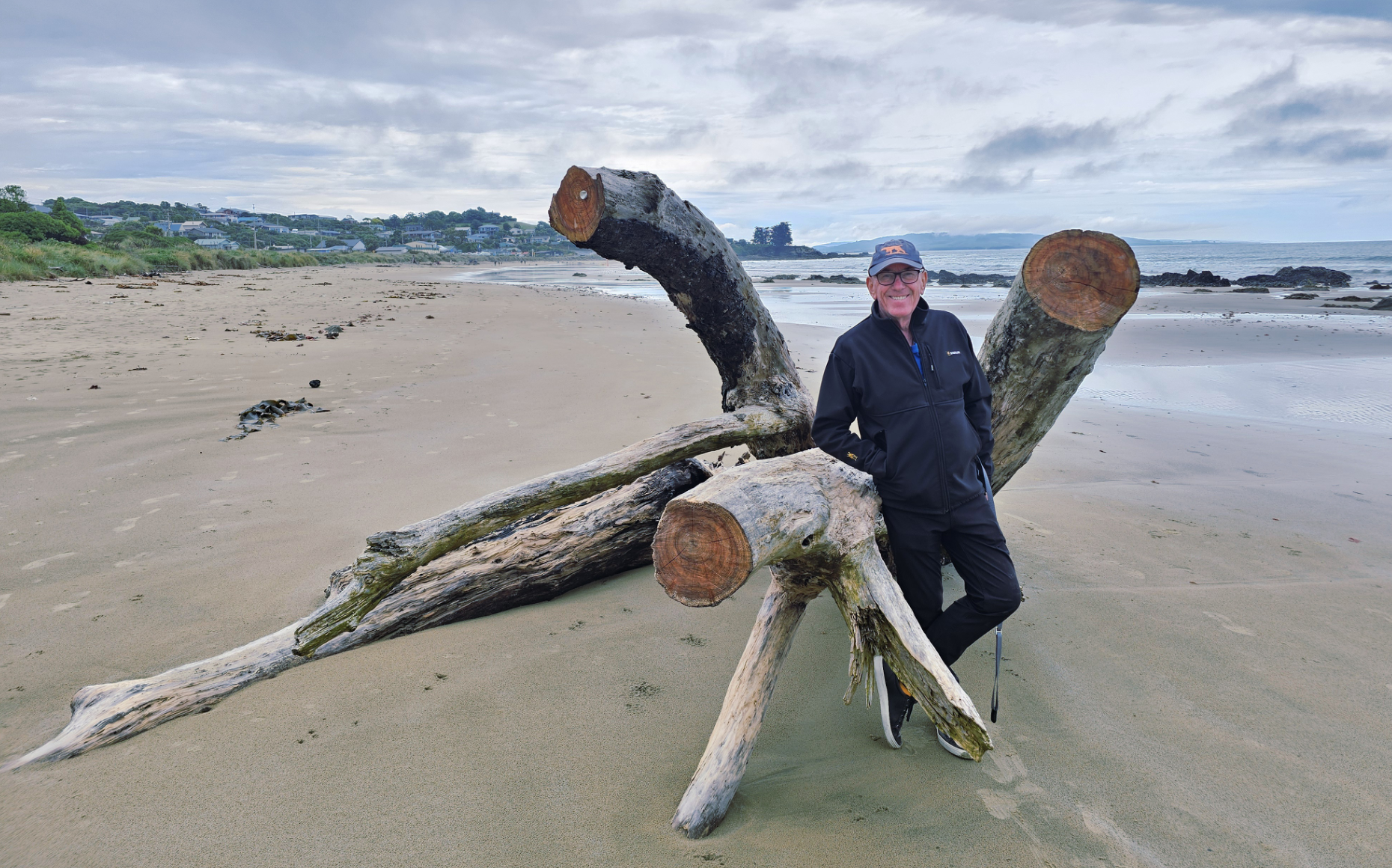
Now living in Queenstown in Aotearoa New Zealand, Dr Hughes’ last role before retirement was as an Executive Clinical Director at the Royal Adelaide Hospital.
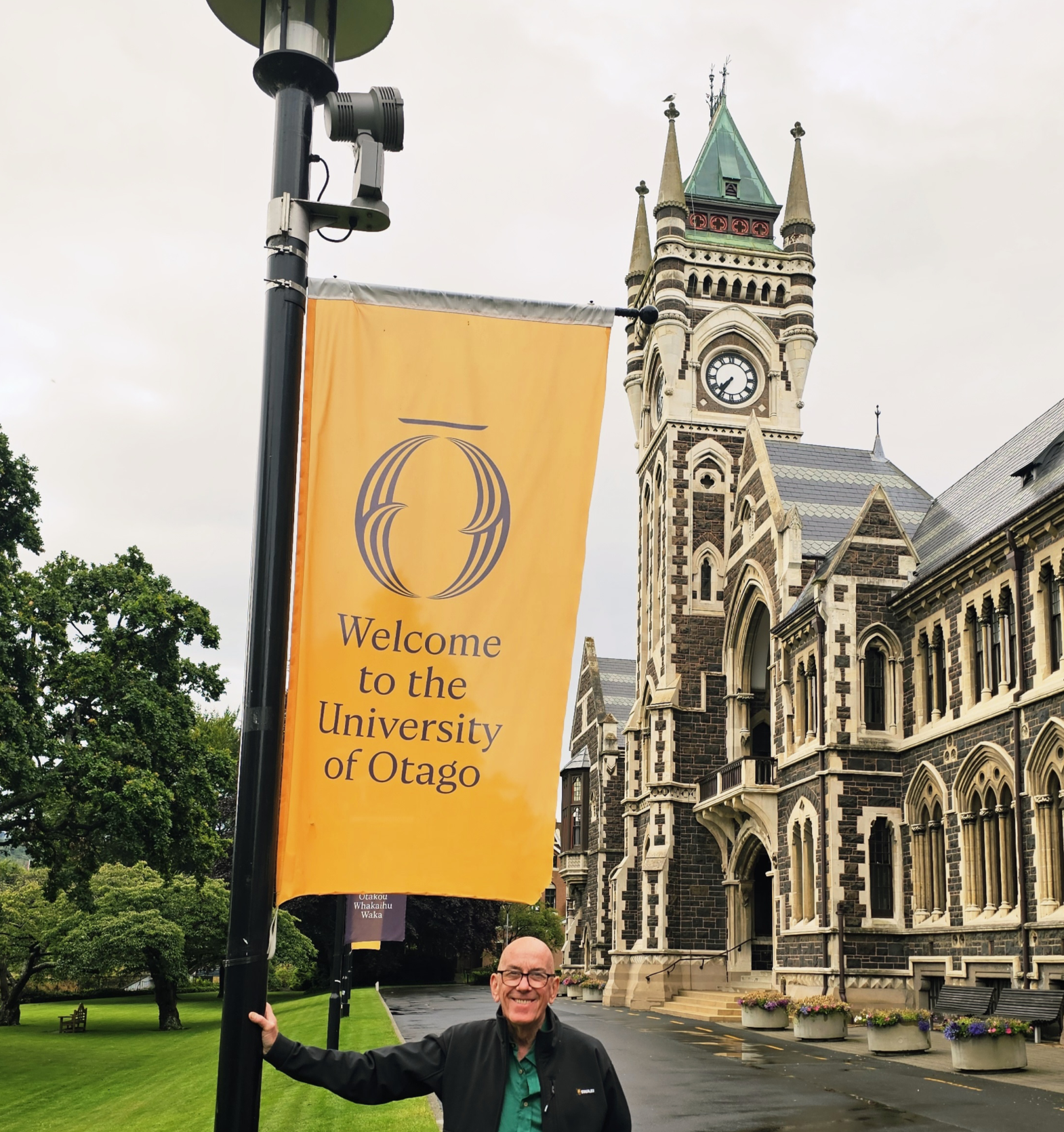
Since he retired about a decade ago, Dr Hughes has continued to live by the mantra ‘stay curious’ and has embraced a range of activities. This includes chairing the Working Group, taking on an executive role in a Whakatipu Basin conservation organisation, and completing a master’s degree in International Studies at the University of Otago.
The recipient of an ACEM Foundation 20 Medal in 2003 and an ACEM Distinguished Service Award in 2019, Dr Hughes is also the current editor-in-chief for the ACEM journal Emergency Medicine Australasia, a role he has held for more than 10 years.
The Working Group recently released the Statement on Later Career FACEMs in Clinical Practice (S961) which provides a framework, with practical recommendations and advice, to support the changing expectations and needs of Later Career Emergency Physicians in clinical practice.
Dr Hughes said the statement is ’a conversation starter, not a protocol or directive’ to encourage reflection, discussion and to support emergency physicians to plan the later stages of their career.
‘Once you have acknowledged age-related changes to yourself, it becomes easier to talk about this with others.
’We wanted to give clinicians permission to themselves to engage in the discussion with their partners and family, friends, colleagues, clinical director, and even the HR department. From there we encourage them to consider what the later phase of their career may look like, especially with so many diverse pathways available to support career longevity.’
“We wanted to frame the issues and ideas in a positive way, and to enable every clinician to reflect on their personal perspectives and preferences on what their later career may look like”
’We wanted to frame the issues and ideas in a positive way, and to enable every clinician to reflect on their personal perspectives and preferences on what their later career may look like. I think we achieved that,’ he said.
So, when does he suggest beginning to plan the later phase of your career?
‘I’d advise that the earlier the better is ideal, even if you are in your 40s. For example, when you’re having your annual performance appraisal, talk about what you may be doing in 10 years’ time.’
’With collective information your department and director can then engage in long-term workforce planning with the HR department. You might say, “I can see that in five years we will have a demographic challenge with three of my colleagues over 55. How are we going to proactively manage this?”
Workforce planning to boost retention of emergency medicine doctors
The Statement looks beyond the individual clinician to also promote the need for hospitals (including clinical directors and hospital managers) to engage in workforce planning by working with emergency physicians to improve retention.
’An overarching aim of the Statement is to prevent the premature loss of emergency doctors who might otherwise retire. We wanted to encourage hospital management to foster a culture of career flexibility, including different roles beyond the acute clinical environment, and working arrangements such as rostering and hours worked to meet the needs of both clinicians and the workplace.’
“There are a range of career options to consider, including evolving sub-specialty domains of emergency medicine, IT-related work, teaching, clinical support roles, and administrative support to assist directors”
’Clinical directors, hospital managers and HR need to be smart and do everything to ensure later career FACEMs stay in the workforce, don’t burn out, or quit. These experienced clinicians can still contribute to their ED, hospital or other areas of the health sector.’
’There are a range of career options to consider, including evolving sub-specialty domains of emergency medicine, IT-related work, teaching, clinical support roles, and administrative support to assist directors.’
Systemic failures in long-term workforce planning
Dr Hughes said that he has seen systemic failures in long-term workforce planning at hospitals in the UK, Australia and Aotearoa New Zealand.
’Planning is thwarted because the hospital’s strategic direction can change as governments and executives change. Previously agreed plans are reviewed and draft budgets revoked. A mature system would allow consistent long-term planning without short-term changes.
’We must be mindful of the need to retain later-career physicians. For example, a doctor comes to you in their mid to late 50s and says, “I’m a bit burnt out and no longer feel confident in the resus room. I want to keep working – can you find me something else to do?“ We need to be open to alternative work practices and roles to keep them contributing.’
Rostering options to meet individual and hospital needs
Rostering suggestions are included in the Statement to kickstart the discussion on a range of workforce arrangements including on-call responsibilities, the number of late/evening shifts, and shift duration.
’We put in the ages of 55, 57 and 60 for rostering options, however we pointed out that these were only a guide. For some 55 might be like 50, or for others feel like 60. We emphasised that everyone could adapt rostering to meet their individual needs and their workplace.’
Dr Hughes said that the working group was cognisant that rostering was likely to be more challenging for smaller EDs in rural and remote settings compared to their metropolitan counterparts, due to smaller staffing numbers.
“It comes back to the Statement being a conversation starter for clinicians and employers to enable career flexibility and longevity”
Strong leadership
Dr Hughes said ACEM has shown strong leadership in developing and promoting the Statement which was reinforced when the Working Group spoke to other medical colleges. ’It became clear that we are doing at least as well as other medical specialties and, in some cases, better.’ This was a sentiment echoed by a senior colleague he spoke to at the UK Royal College of Emergency Medicine when the Statement was in preparation.
‘It comes back to the Statement being a conversation starter for clinicians and employers to enable career flexibility and longevity, recognising the valued contributions clinicians can continue to make throughout their career.’
Dr Hughes conceded that any conversation on ageing, work practices and rostering won’t be an easy one regardless of the ED you work in.
‘One colleague told me she had approached her clinical director – 20 years younger than her – to discuss alternative rostering, and the director looked like a rabbit caught in the headlights!’
The Later Career Program Working Group
ACEM set up the Later Career Program Working Group in 2023 to inform the Later Career Program, which provides resources to members planning for and transitioning towards retirement. For more information and resources, visit our website here.