Embracing opportunity: Wagga ED supporting RRR pathways
‘Rural medicine is just a wonderful, wonderful thing. I think that people should just embrace the opportunity.’
When Dr Jane Armstrong talks about her time working in a regional, rural and remote (RRR) emergency department (ED), the same words keep coming up: opportunity, excitement, variety, nurture, resilience, support, experience.
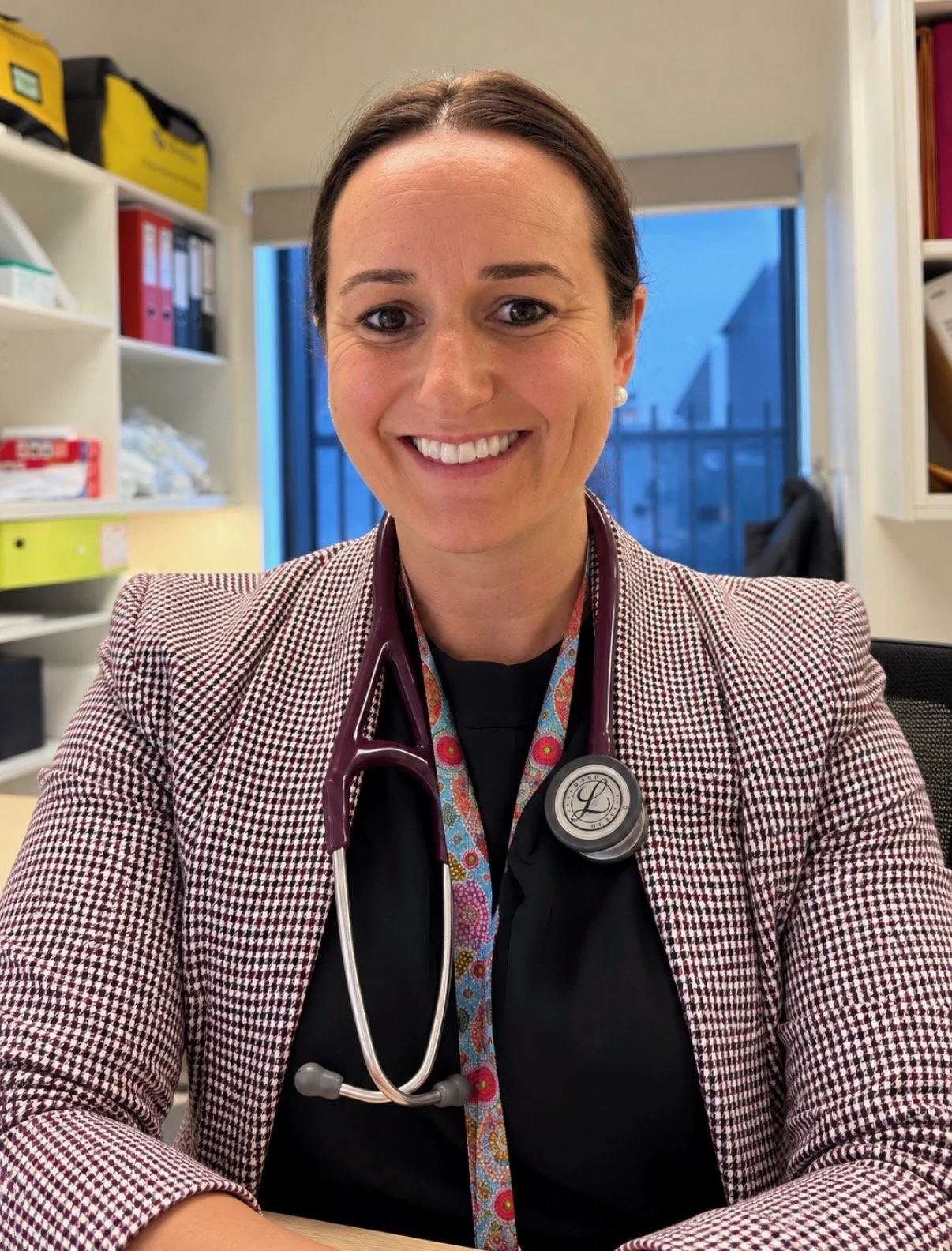
FACEM Dr Jane Armstrong
Dr Armstrong is a FACEM Staff Specialist in the Wagga Wagga Base Hospital (WWBH). Wagga ED was once based on a ‘fly in, fly out’ model of care with little capacity to accommodate trainees. Like many RRR EDs, Wagga ED has since enjoyed strong growth and significant progress in workforce and trainee engagement, and with training models backed up by new ACEM RRR initiatives, is now an ideal place to train and work.
Dr Armstrong said Wagga ED’s recent growth has been largely based on enhancing a strong workplace culture and building on the unique strengths that a RRR setting can offer trainees and FACEMs alike.
‘The ED is a really exciting, fun place to work,’ she said. ‘They’re getting good teaching, they get very fair shifts. They thoroughly enjoy themselves when they’re working in our department.’
Strong workplace culture
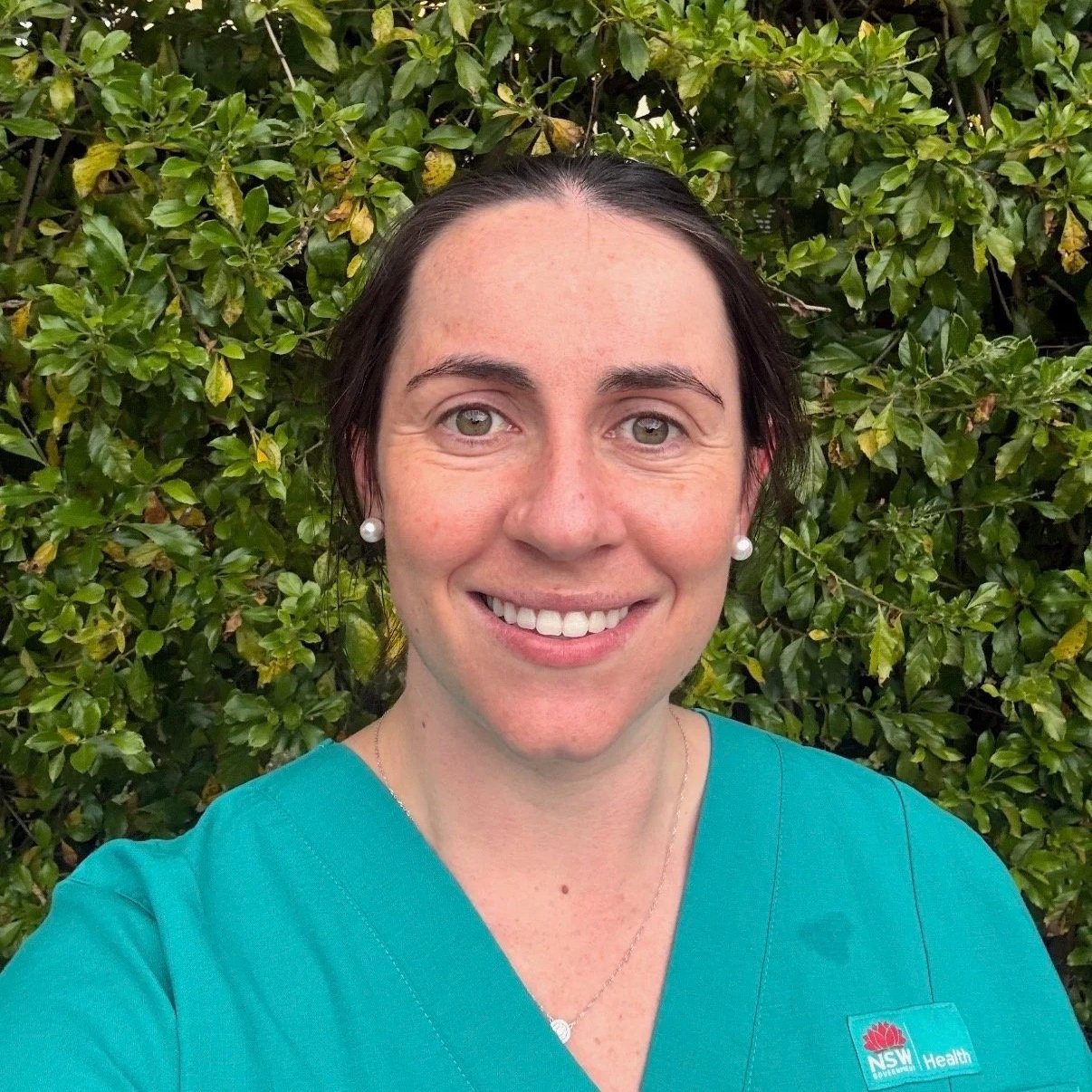
Registrar (TS1) Dr Nicola Kermode
By all accounts the trainees agree with this assessment. Registrar (TS1) Dr Nicola Kermode said that the level of support offered as part of Wagga ED’s strong workplace culture, typical of many RRR EDs, made it an easy choice for her to do her placement there.
‘We have a super supportive and passionate FACEM team with strong emphasis on education and culture,’ Dr Kermode said. ’I did an SRMO year in ED before I decided to pursue ACEM training … and the department was too good to leave, so I stayed on and started training.
‘One of the greatest strengths of regional training has been the breadth of clinical exposure and the opportunity to take on responsibility early, with excellent senior support,’ Dr Kermode said. ‘The smaller team environment also allows for strong relationships with colleagues and supervisors, creating a highly supportive learning environment.’
“‘One of the greatest strengths of regional training has been the breadth of clinical exposure and the opportunity to take on responsibility early, with excellent senior support.’”
Wagga ED is also an example of the many ways in which RRR EDs with strong educational programs and a number of senior decision makers on-site are able to provide targeted support for Specialist International Medical Graduates (SIMGs), and International Medical Graduates (IMGs) who work in regional, rural and remote emergency medicine settings, in alignment with ACEM’s Rural Health Action Plan (RuHAP).
‘We're very supportive of IMGs, recognising that IMGs fill a really important gap in rural and regional areas,’ Dr Armstrong said. ‘We offer really protected teaching time. There are two streams; our ACEM trainee teaching, as well as our Emergency Medicine Education and Training (EMET) training.’
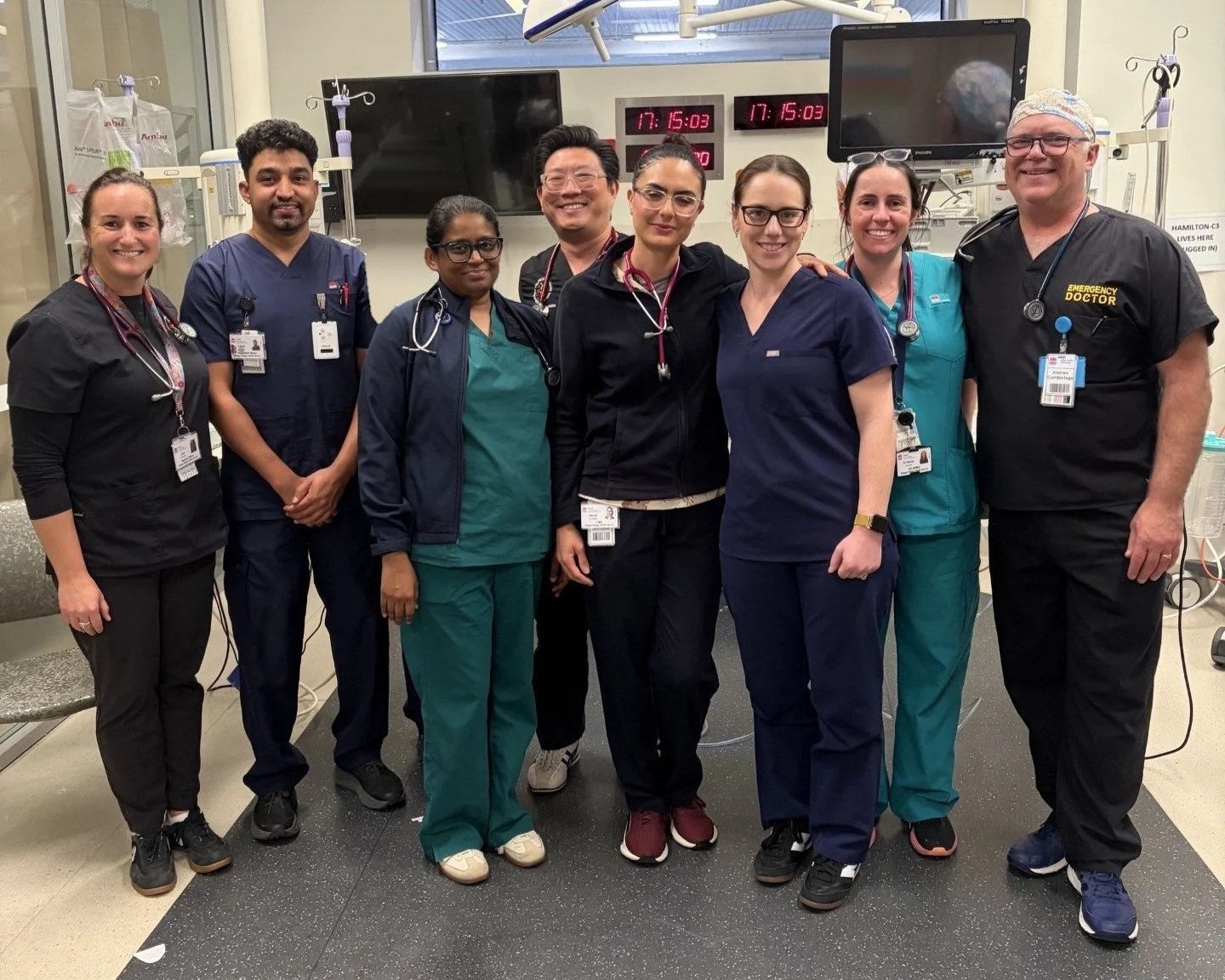
Members of the Wagga ED team (L-R): FACEM Dr Jane Armstrong, Kamal Sapkota (RN), CMO Dr Harshani Weerasingha, FACEM Dr Kai Hsiao, FACEM Dr Nicole Du Plessis, Annalisa Denholm (RN), Registrar (TS1) Dr Nicola Kermode, EM Specialist Dr Andrew Cumberlege
‘We give them the support to work somewhere where they learn the system and learn the people and they learn the culture of a place as well, so that then they either filter out to some of the peripheral sites and become rural generalists or they stay with us and switch across to ACEM training.’
The cycle of senior decision makers and supported training positions in RRR EDs will often become self-supporting, and Wagga ED demonstrates that. With 23 trainees, CMOs and IMGs supervised by 14 FACEMs, Wagga ED has become an attractive place for trainees to complete their core rural terms. In turn, the opportunity to mentor and teach training registrars has made Wagga an attractive place for FACEMs to work.
Careful planning

Dr Simon Craig
‘Wagga Base Hospital’s success [is based on] a strong core team of specialists that we could build around,’ (former) WWBH Director of Medical Services Dr Simon Craig said.
‘We created jobs that attracted our juniors to stay as part of the department, and facilitated others desire to come… it has led to… a more stable workforce, a pipeline of trainees and future consultants, and a better workplace culture’.
Dr Armstrong said that Wagga ED’s RRR location is a major factor in attracting trainees, as they gain experience in a wide range of areas in a relatively short time.
ACEM is one of several medical colleges that allow trainees to be based in regional areas, requiring them to rotate to a metropolitan centre only for their six-month Major Referral training. The College’s introduction of a six-month Regional, Rural and Remote Training Requirement, commencing in 2027, ensures that all trainees gain experience in RRR emergency departments.
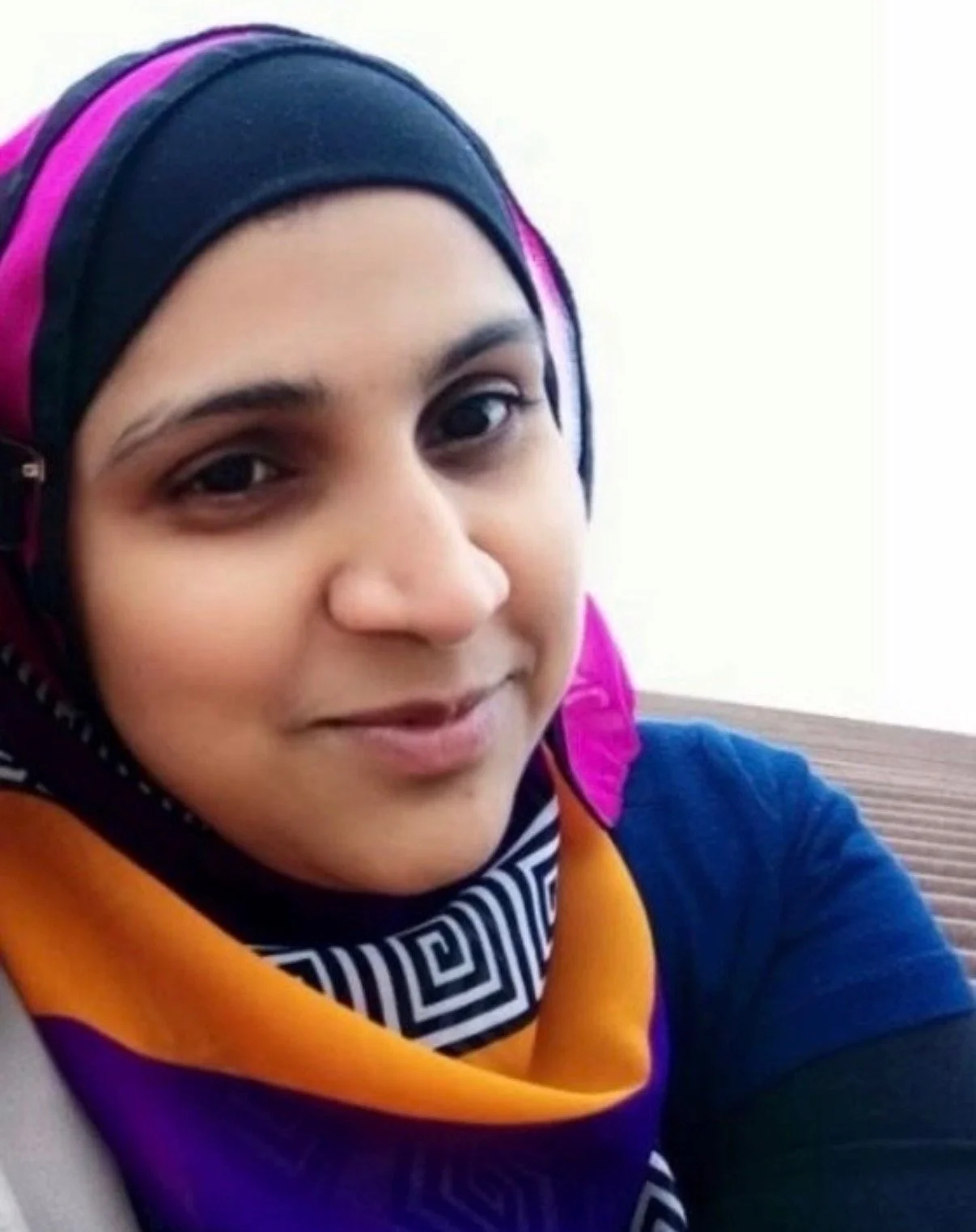
FACEM Dr Syeda Begum
WWBH Director of Emergency Medicine FACEM Dr Syeda Begum said that she impressed on trainees that a RRR placement offers the opportunity to accelerate and deepen their experience and capabilities as an emergency physician.
‘I encourage trainees to view a rural placement as a unique opportunity rather than a compromise,’ she said.
‘In regional emergency medicine they will gain broader procedural experience, greater clinical decision-making skills, closer consultant mentorship, and exposure to leadership, retrieval medicine and multidisciplinary teamwork that they may not experience as quickly in a large metropolitan centre. Many tell us they develop more professionally in six months rurally than they expected.’
“‘In regional emergency medicine they will gain broader procedural experience, greater clinical decision-making skills, closer consultant mentorship, and exposure to leadership, retrieval medicine and multidisciplinary teamwork that they may not experience as quickly in a large metropolitan centre.’”
‘From a training perspective, the learning is exceptional,’ Dr Begum said. ‘Trainees usually have greater consultant access, more direct supervision, and more opportunities to perform procedures. They often receive more individualised teaching than they would in a large tertiary department.’
Integration

Dr Nicole Du Plessis
One of these IMGs, Dr Nicole Du Plessis, said that she had greatly appreciated her RRR ED experience at WWBH.
‘One of the department’s greatest strengths is its culture. It is a welcoming, friendly, and respectful workplace where staff feel comfortable voicing their opinions and concerns,’ Dr Du Plessis said.
‘There is a strong emphasis on psychological safety and open communication, and I have always felt that my wellbeing is prioritised. The people working here are also just funny and cool.
‘I have also appreciated the flexibility of the rostering which has contributed significantly to maintaining a healthy family environment. Combined with supportive colleagues, this has made the department an enjoyable place to work.
‘I am glad I ended up in Wagga. It was perfect for me.’
“‘I am glad I ended up in Wagga. It was perfect for me.’”
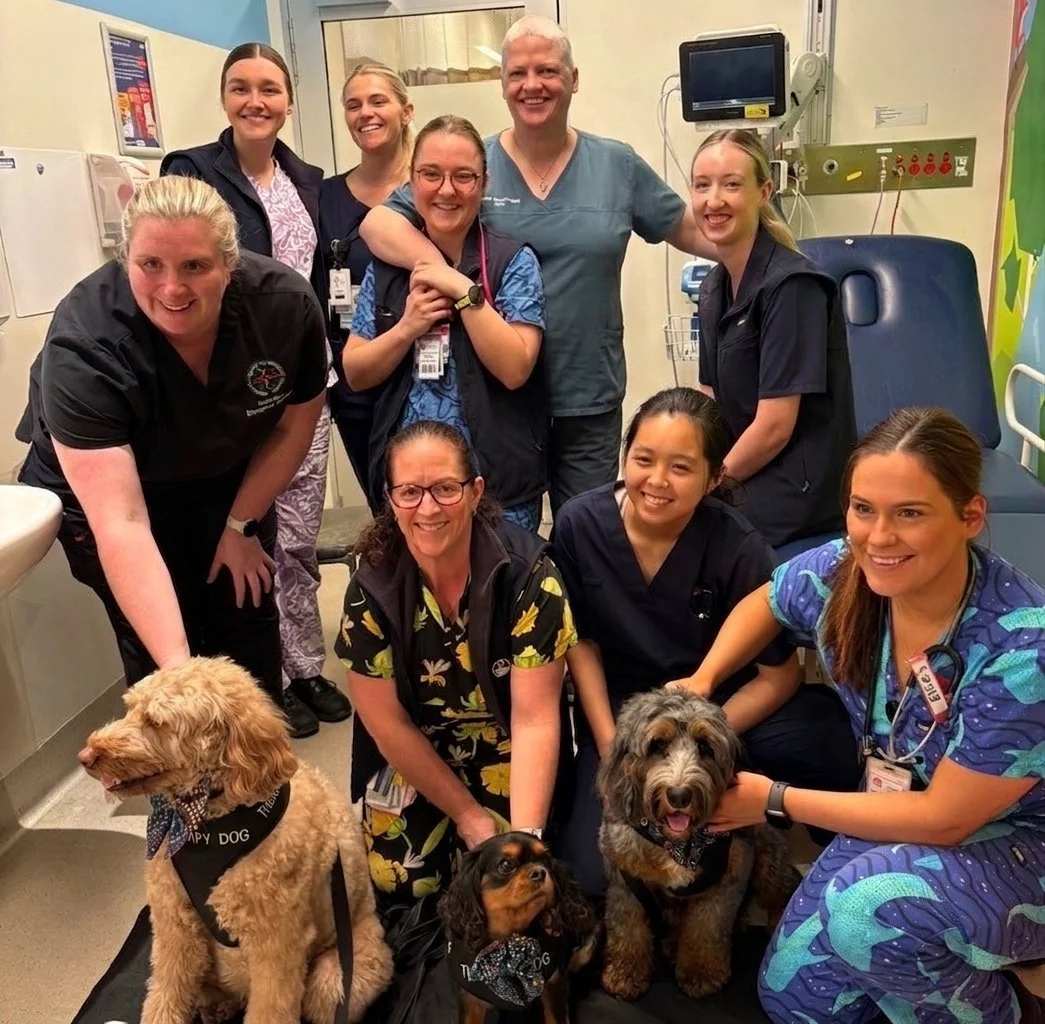
(Main picture) Members of the Wagga ED team (L-R standing): Emily Haggar (Registered Nurse), Kate Pincott (RN), Esther Eickhott (RN), Ruth Scanlan (Nurse Practitioner), Molly Crowley (RN)
(L-R crouching): FACEM Dr Samantha Johnson, Amanda Nicholson (RN), Yee Lin Hua (RN), Ellie Wearne (RN)
This story is part of an ongoing ‘RRR in the Spotlight’ series of articles highlighting the great work being done by FACEMs and ACEM trainees in RRR settings.
The six-month (FTE) RRR training requirement applies to new trainees commencing FACEM training in 2027. People will be required to formally acknowledge this training requirement as a condition of their acceptance of a place on the training program.