You can’t be what you can’t see
For ACEM Immediate Past President Dr Stephen Gourley, Pride Month is a time to reflect on how far we have come and how far we still have to go, personally and professionally.
“We still have a way to go. But it’s certainly improving.”
Dr Gourley can mark many ‘firsts’: he was the first FACEM from the Northern Territory to be elected as President and the first openly gay man to lead the College.
‘When I started, even though you knew that there must have been gay doctors, it just wasn't seen. It didn't feel safe to be out. You really did feel that it would limit your career,’ he said. ‘You just kept your private life very separate to your work life.’
Dr Gourley is thankful that times have changed but noted there is still plenty of room for improvement.
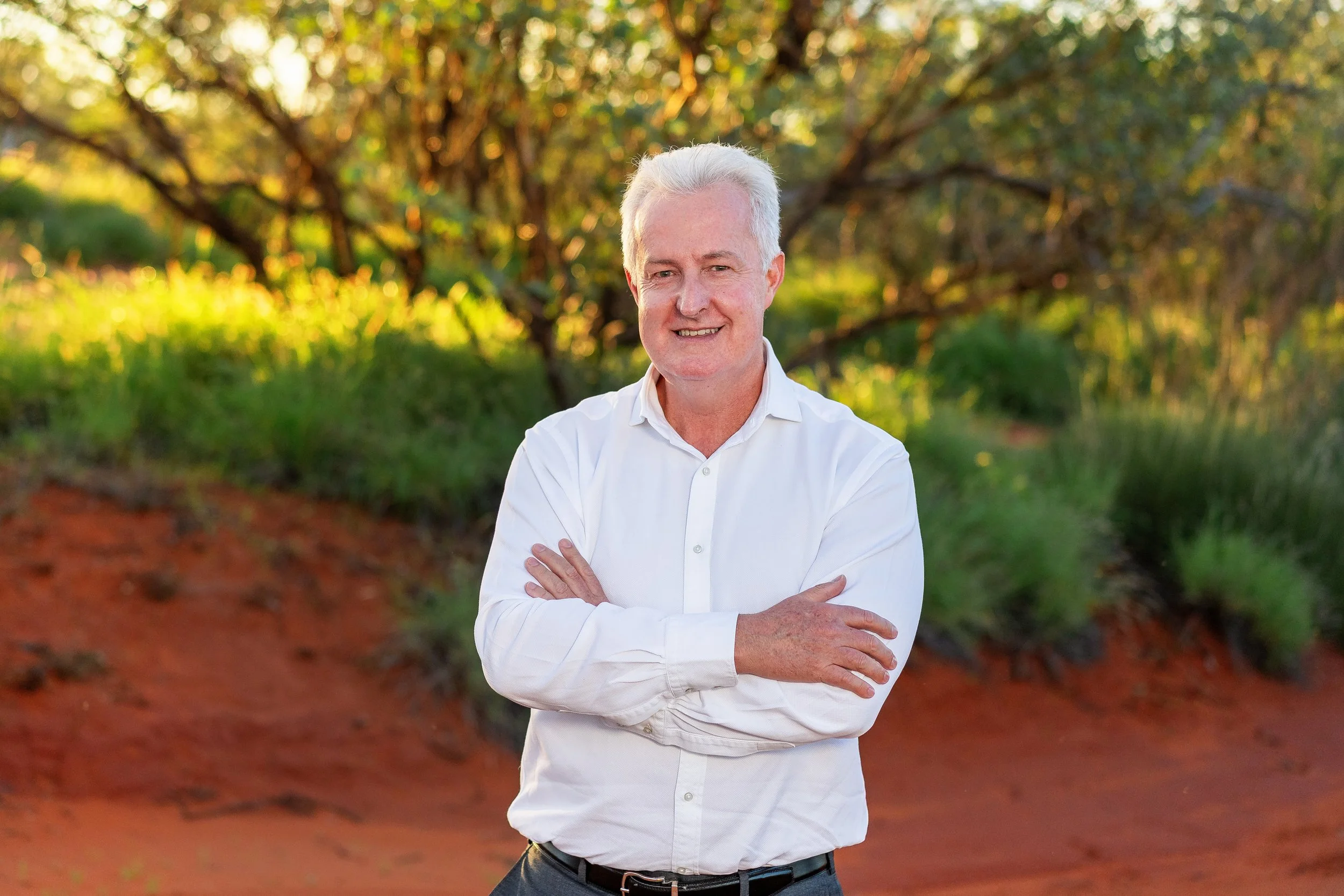
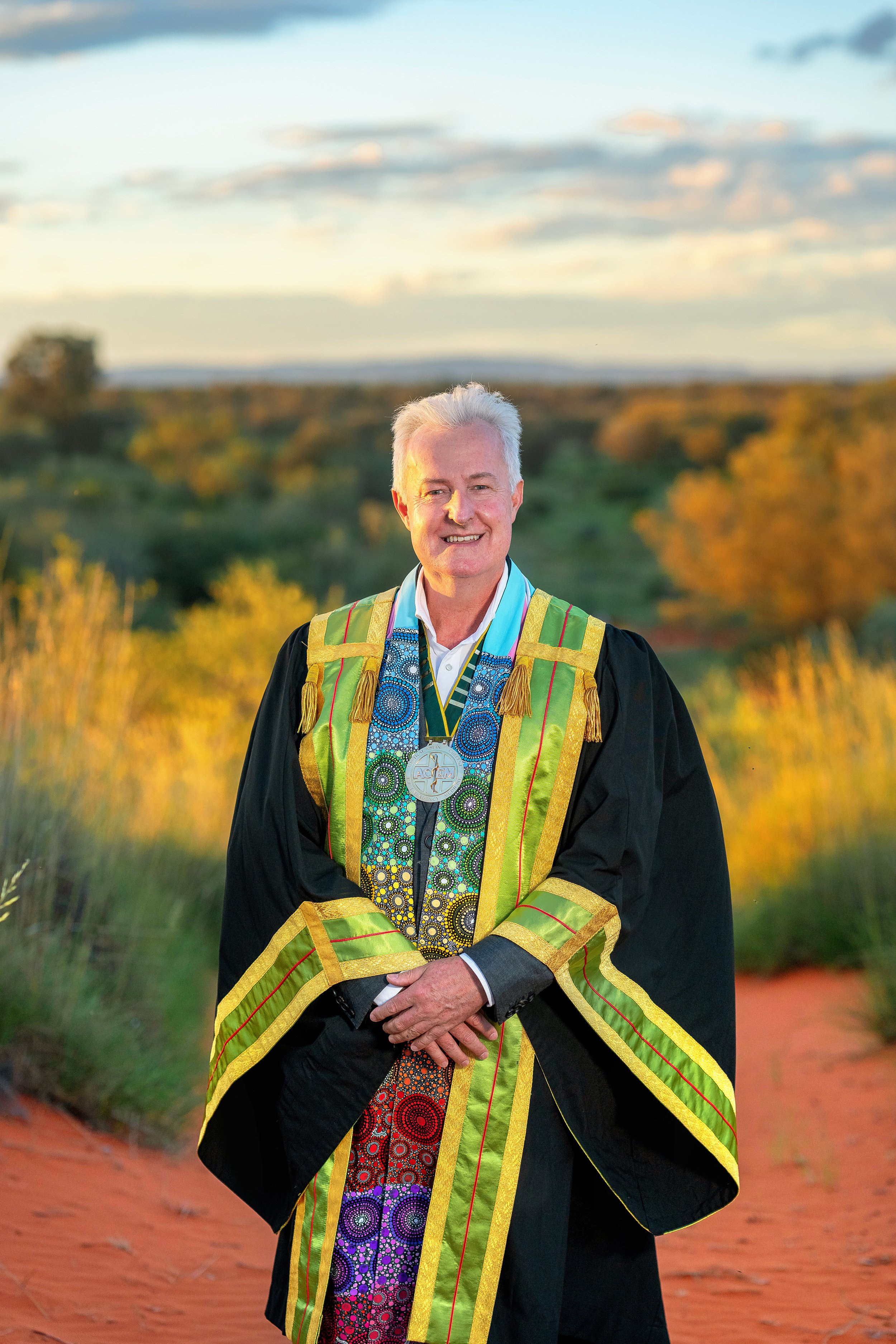
At home in the Northern Territory, where Dr Gourley is Alice Springs Hospital’s Director of Emergency Medicine.
Still a way to go
‘We still have a way to go. But it's certainly improving,’ he said.
He is especially proud that as the first openly gay president of ACEM he could help benefit others.
‘You can't be it if you can't see it,’ he said. ‘Visibility is important.’
‘After I did a talk, I was approached by a queer colleague who was just really happy that I was there and thanked me for being visible. That made a big impact on me. I've never campaigned on it or made a huge deal about it but also never shied away from it either.’
Curiosity and compassion
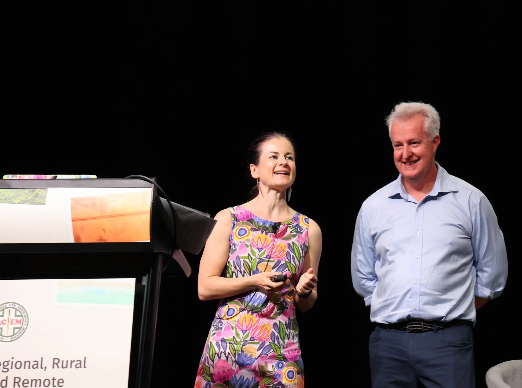
At the inaugural 2024 Regional, Rural and Remote EM Conference with FACEM Dr Bec Day.
Dr Gourley’s personal representation fits in neatly with his broader commitment to advancing cultural safety and Indigenous health equity across Australia and Aotearoa New Zealand, improving access to emergency medicine in regional, rural and remote areas, and creating a more equitable health future for everyone – no matter where they live.
‘Treating others how you like to be treated yourself is really what it comes down to: basic human respect, curiosity and compassion. It's really important to keep an open mind,’ he said.
‘People get frightened when things change quickly, there's a pushback. But just because other people are getting more doesn't mean that you're getting any less.’
“Treating others how you like to be treated yourself is really what it comes down to: basic human respect, curiosity and compassion.”
At last year’s Annual Scientific Meeting Dr Gourley introduced the ACEM Equity and Inclusion Action Plan 2026-2028 and encouraged members to join the Equity Champions Network and help implement ACEM’s Equity and Inclusion Strategy.
“Championing diversity, equity and inclusion can only help everyone.”
‘Championing diversity, equity and inclusion can only help everyone,’ he said.
‘It’s about making sure that our members reflect the diverse makeup of our communities and have a deep understanding of cultural differences. But at the core of it, culturally safe care is good for everyone.’
‘If you get that right, it's good across the board. It creates a welcoming space for the people we look after.’
Development and growth
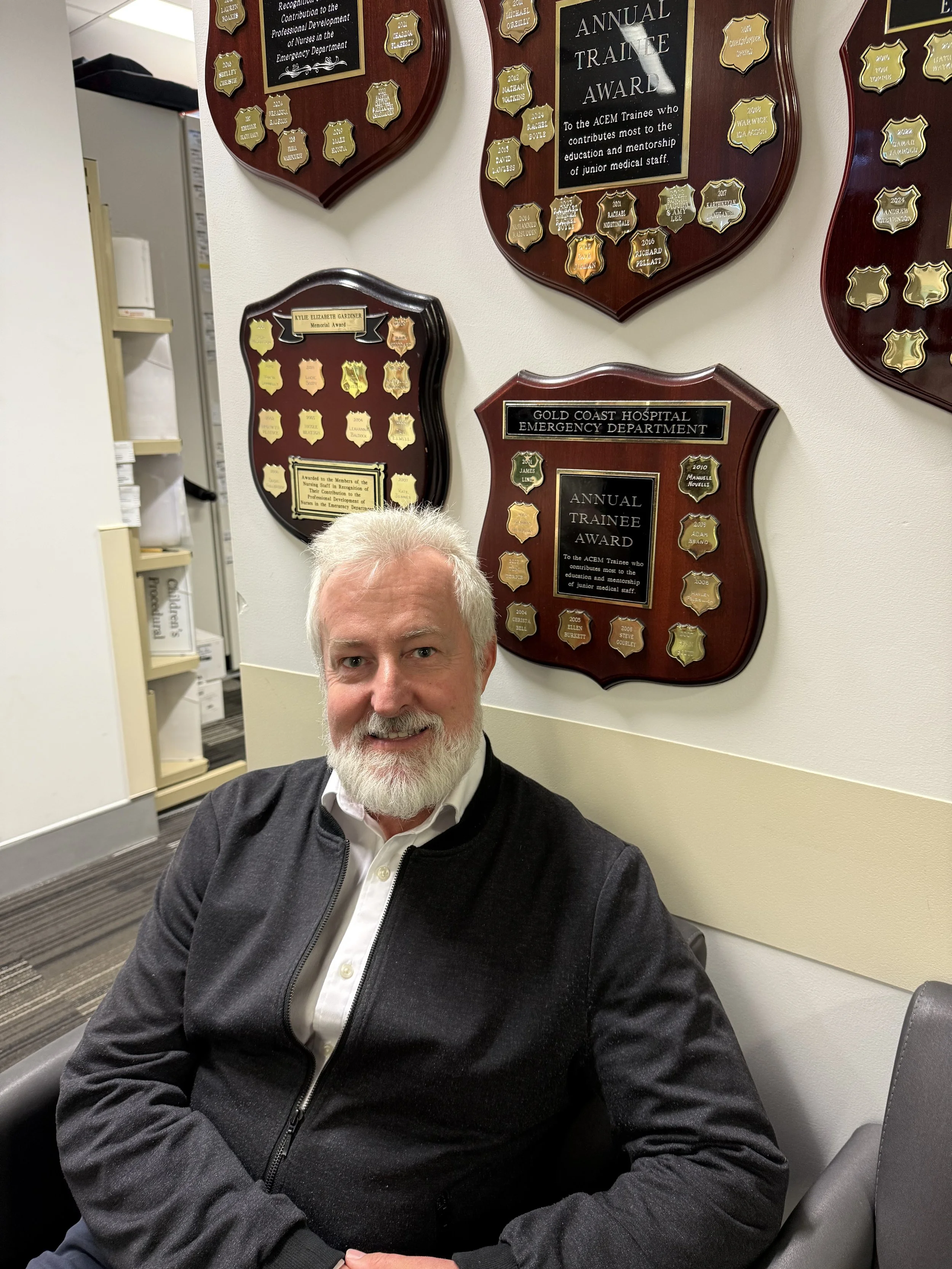
Gold Coast University Hospital’s Annual Trainee Award winner in 2006.
His own journey into emergency medicine came via the Gold Coast, Canada and a detour into pursuing ophthalmology studies. Dr Gourley is the current Director of Emergency Medicine at Alice Springs Hospital, a position he has held since 2008, which was originally only meant to be a three-month stint. This experience has been hugely influential.
‘Whenever you get frustrated with what you feel is like a lack of progress or a difficult conversation, do a clinical shift. It just grounds you, brings you back and reminds you why you did it. I find it's really rewarding.
‘I still like all the bells and whistles, critical care aspect of emergency medicine, but I've found, more and more, taking on the more challenging patients can be more rewarding: those experiencing chronic pain, mental health patients, the homeless.’
System reforms
Tackling healthcare reforms and whole-of-system change has been a feature of his career to date. Dr Gourley was Deputy Chair of the AMA's federal Board of Directors and former president of AMA NT. He has also served as former Deputy Chair of the National Rural Health Alliance and Chair of the NT Clinical Senate. He was recently elected to the board of the International Federation of Emergency Medicine (IFEM). He is also a Lecturer at the University of Queensland and an Associate Lecturer at Flinders University.
A member of ACEM’s Board and Council of Advocacy, Practice and Partnerships, his previous College roles have included stints on the Regional, Rural and Remote Advisory Committee and as Chair of the Northern Territory Faculty Board (now Branch Council). He is still Chair of the Health System Reform Advisory Committee – or as he likes to call it, the ‘health system revolution advisory committee’. He recommends members become engaged in College entities and said his experiences were enlightening.
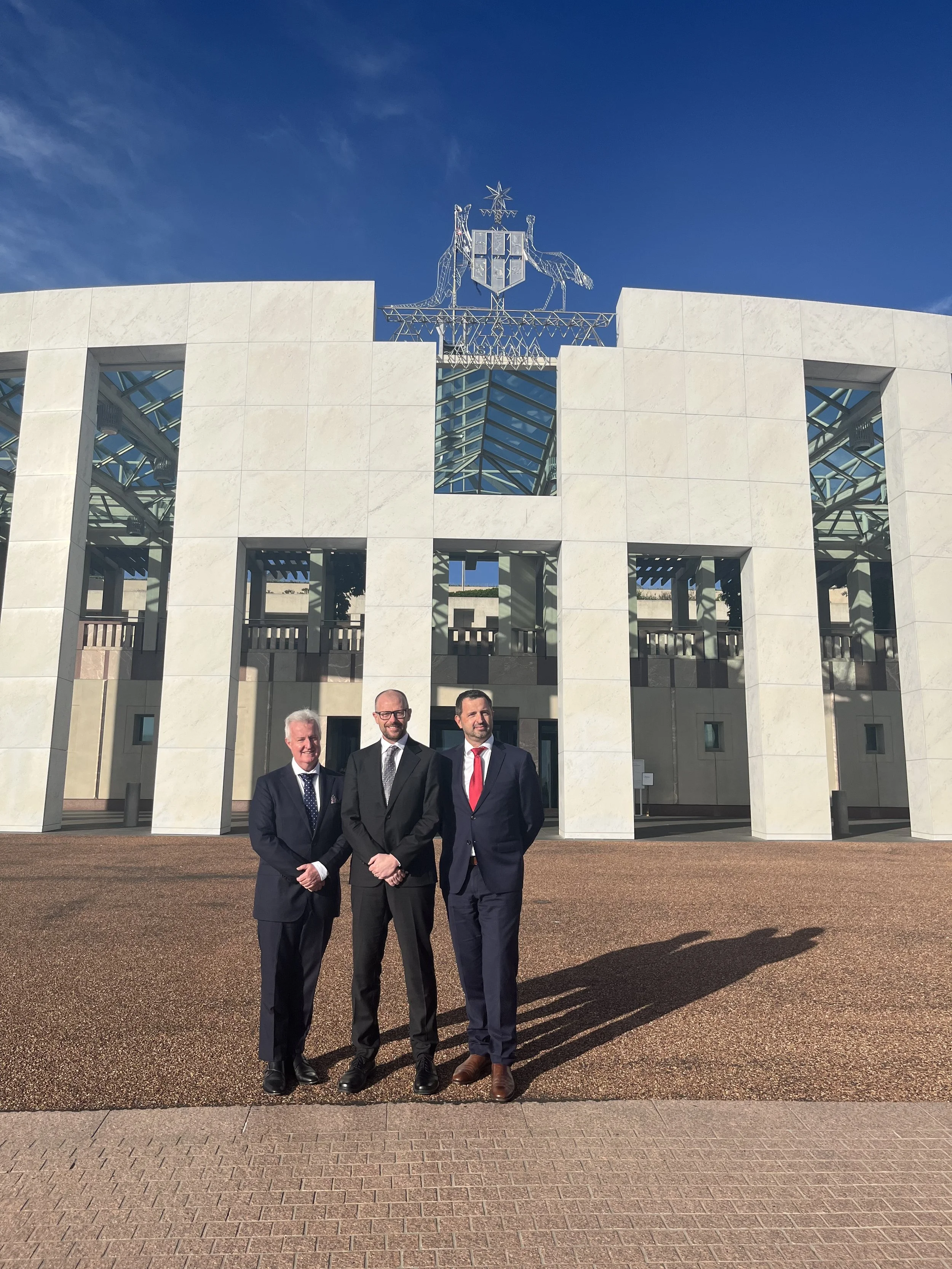
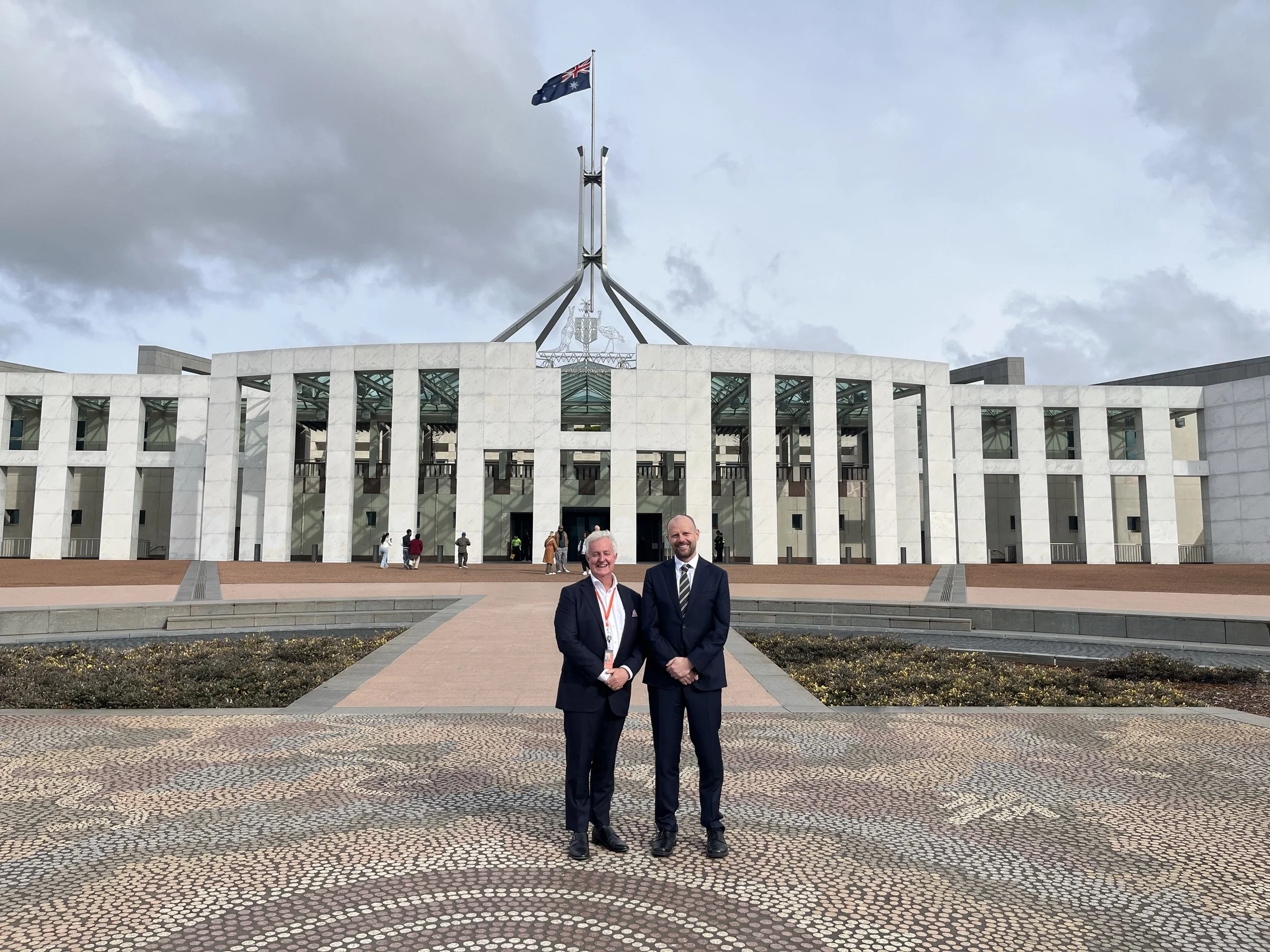
With current ACEM President Dr Peter Allely and CEO Brendan Peek during a recent visit to Canberra.
‘I'd been involved in the College for quite a long time, but around 2008 I started getting involved in the committee process and I really enjoyed that work. I really liked the networking and meeting lots of new people,’ he said.
Making the most of opportunities
Dr Gourley said that being open to opportunity and learning how to say yes to things helped promote resilience and protect against burnout, identified in ACEM’s latest Sustainable Workforce Survey as an ongoing challenge for emergency physicians.
‘Learning how to say yes, leaning in, gives you a sense of agency, which is really super protective for burnout.
‘One of the biggest drivers of burnout is the feeling of loss of control, the loss of agency. For me, leaning in, getting involved, joining committees, like the curriculum committee, meant that being in the room makes you feel like you are having a say in what you're doing. That was resilience.’
The experience of being in so many advisory committees, particularly accreditation and health system reform, gave him a broad exposure to how other EDs work. This exposure has been inspirational and a source of great pride in his specialty and the people who choose it.
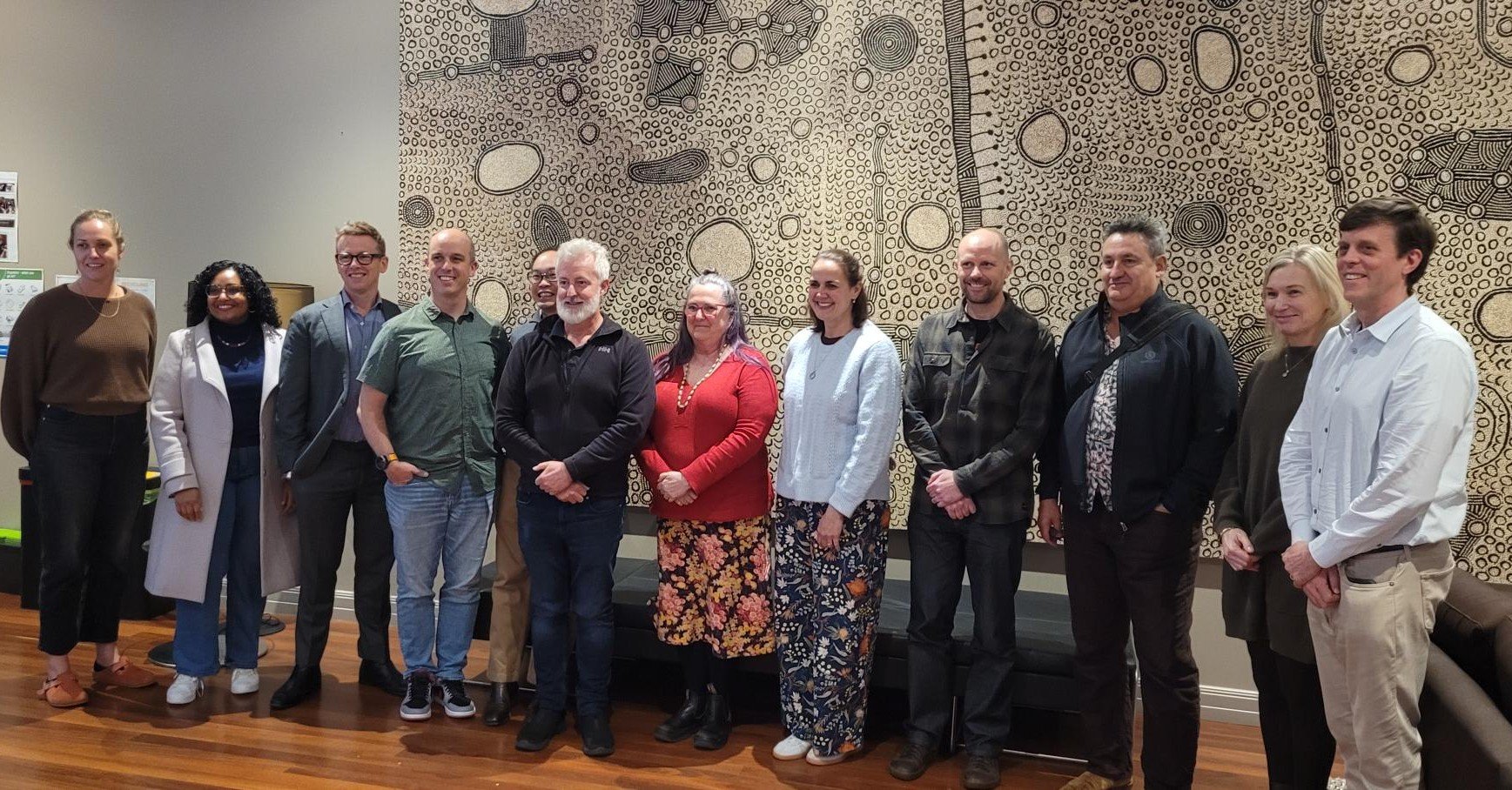
Pictured with 2025 ACEM Chairs at a training day.
Pride in our people
‘What always struck me, pretty much everywhere you go, is how proud people are of the work that they're doing and how they've evolved to meet their specific challenges. How they've managed to adapt to the situation they're in and the resources that they have and the patient base that they look after.
“What always struck me, pretty much everywhere you go, is how proud people are of the work that they’re doing and how they’ve evolved to meet their specific challenges ... Every single place is unique.”
‘Every single place is unique,’ Dr Gourley said of his many ED visits across Aotearoa New Zealand and Australia during his presidency, from Dubbo to Dandenong and Dunedin, Hobart to Hutt to Hervey Bay and many stops in between.
‘I just found that really inspiring, and I learned that there is no ‘one size fits all’ solution. That’s why it's so important to allow for flexibility and celebrate the differences.
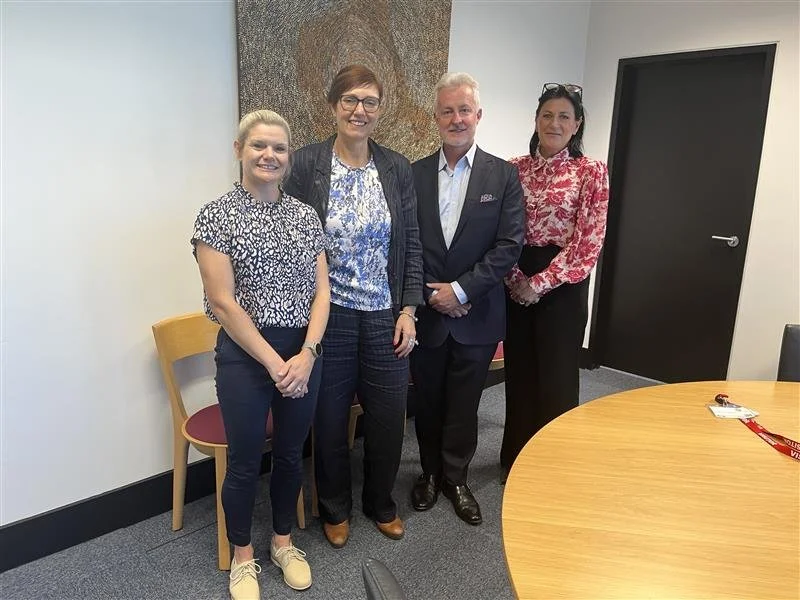
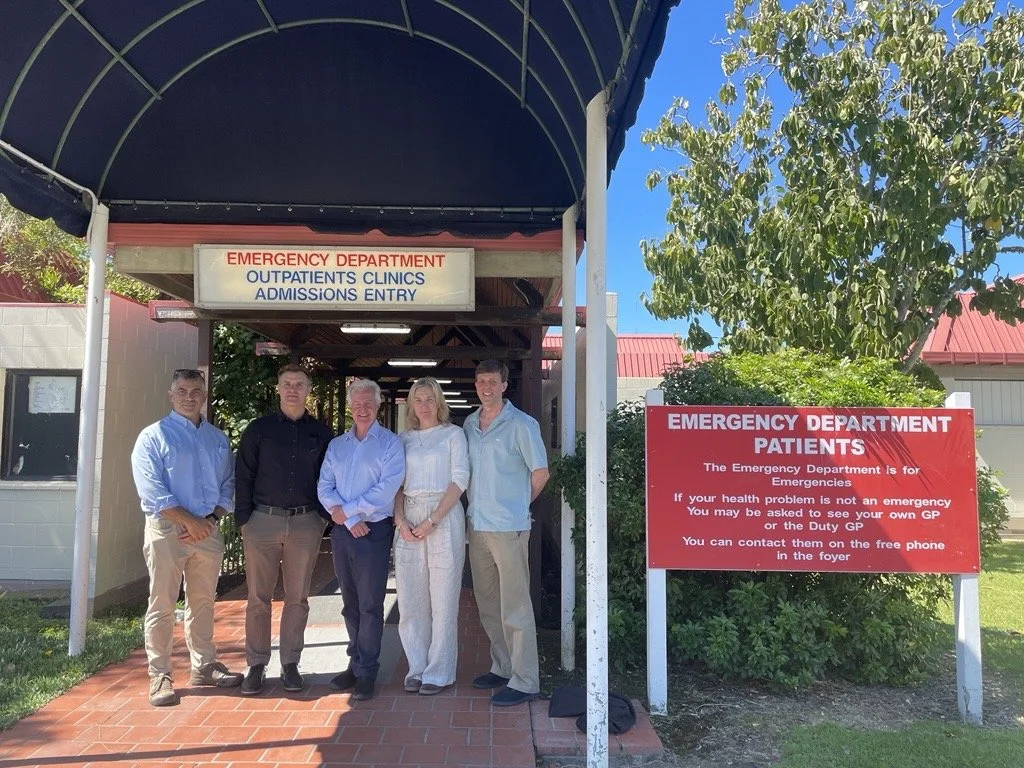
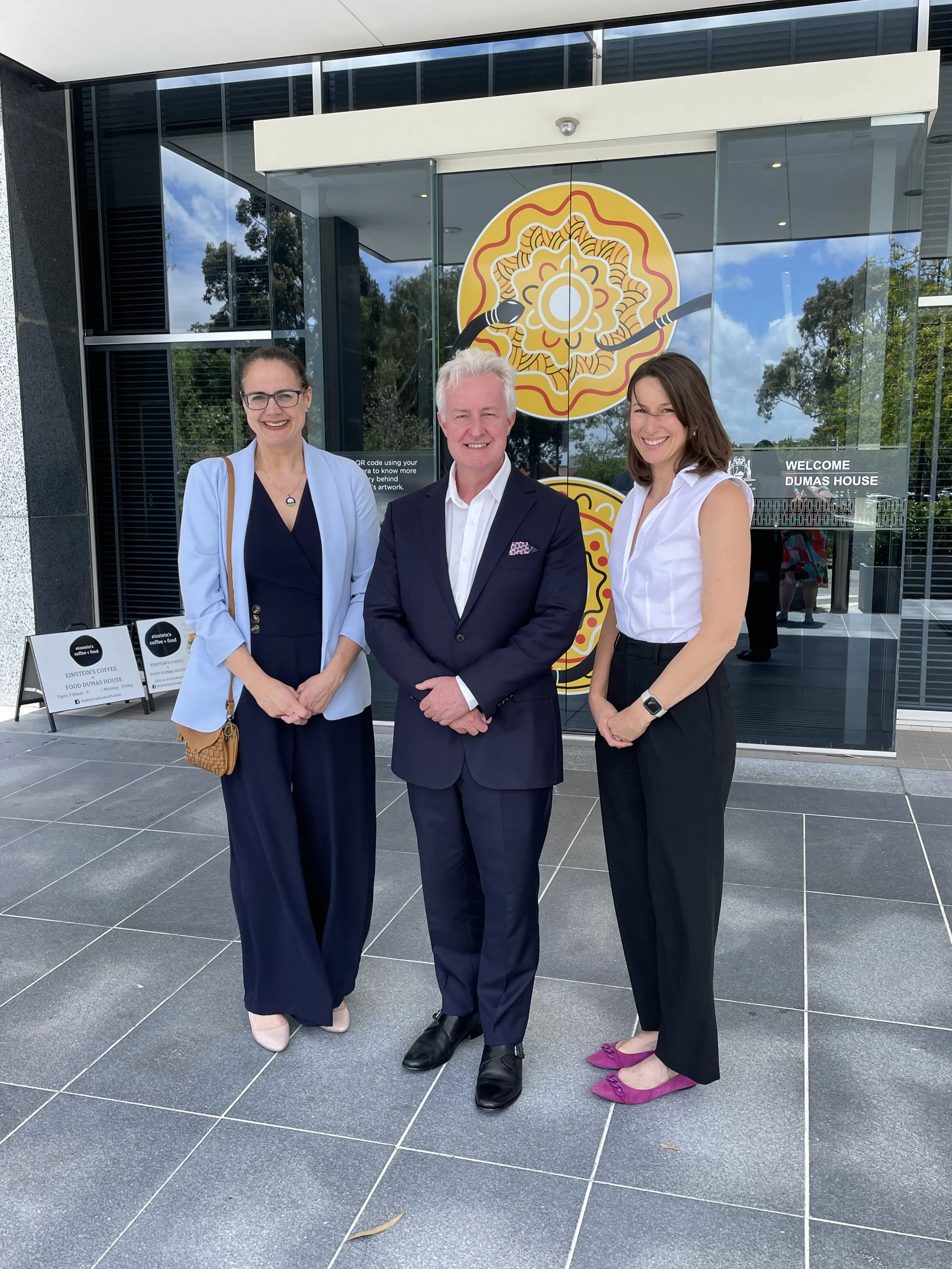
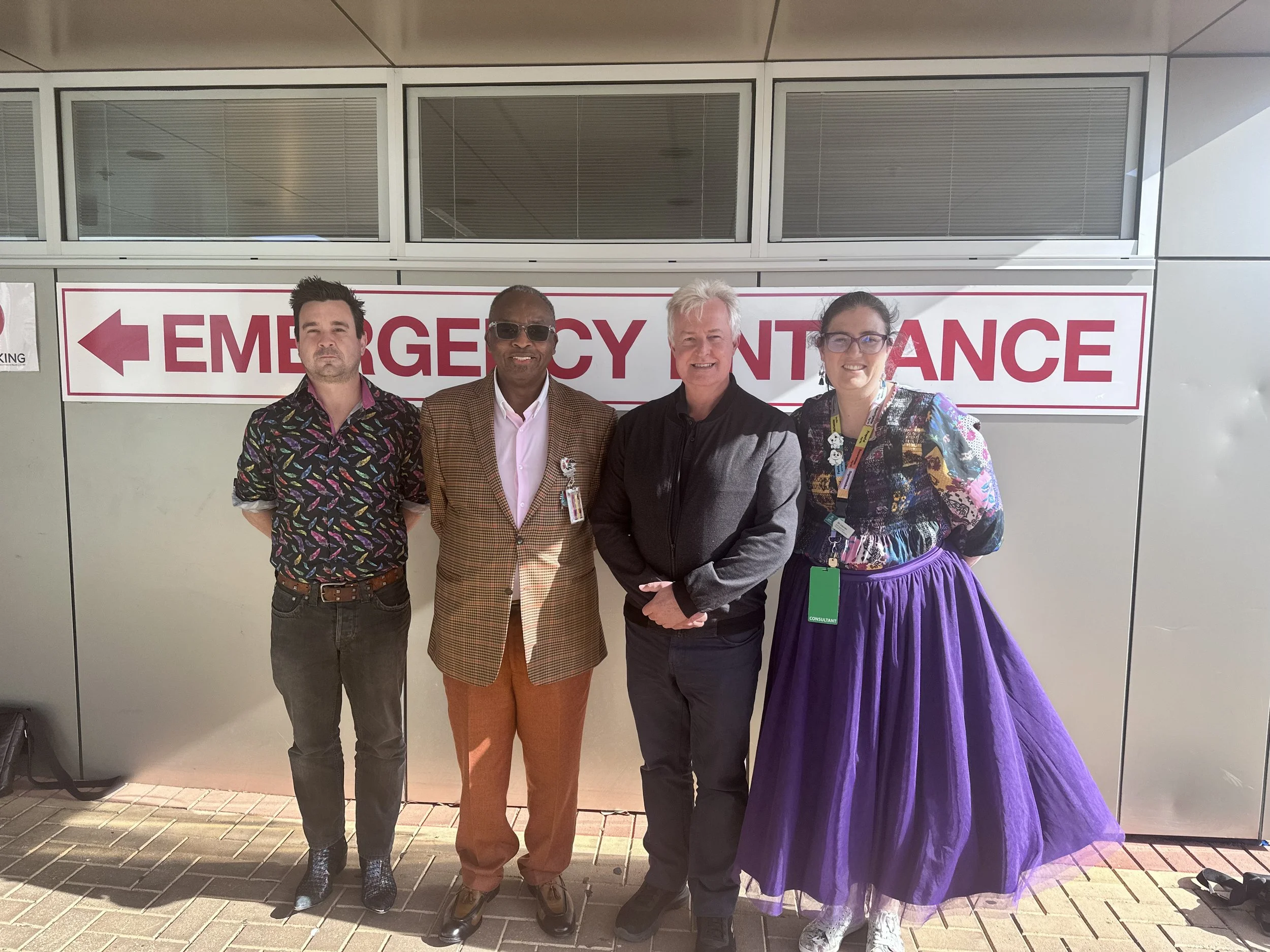
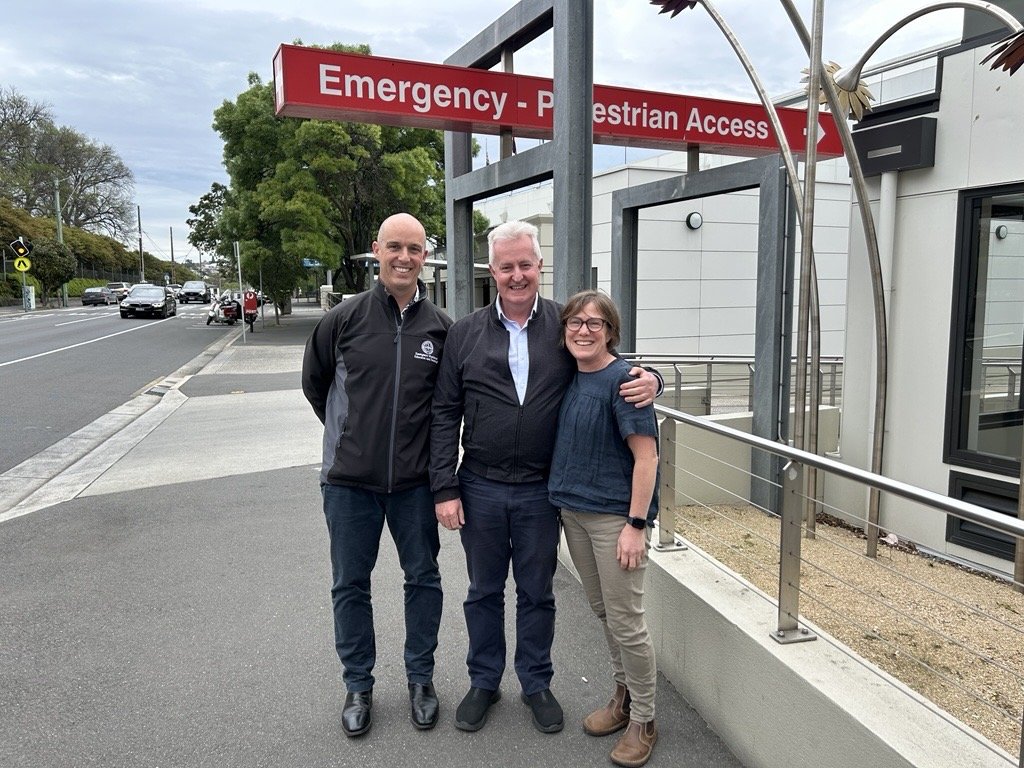
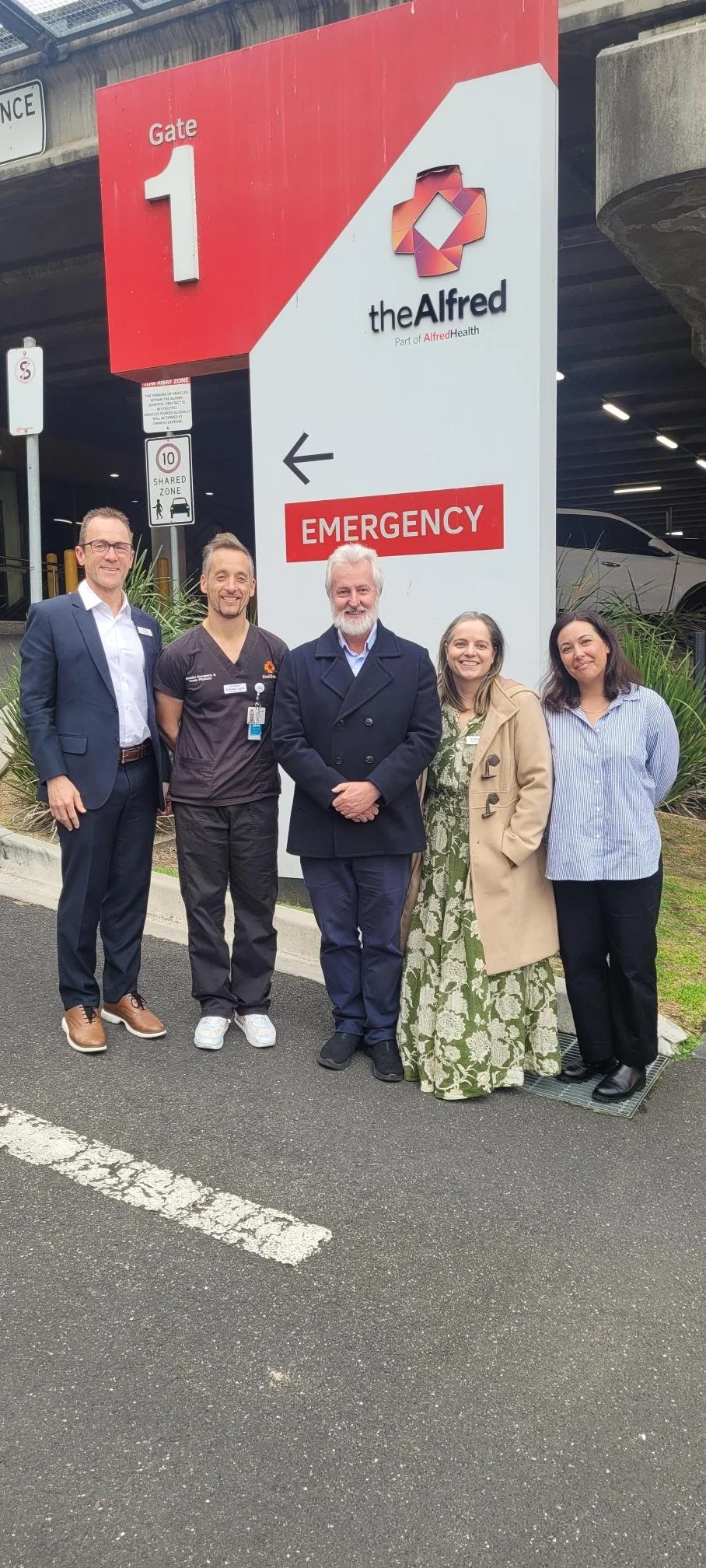
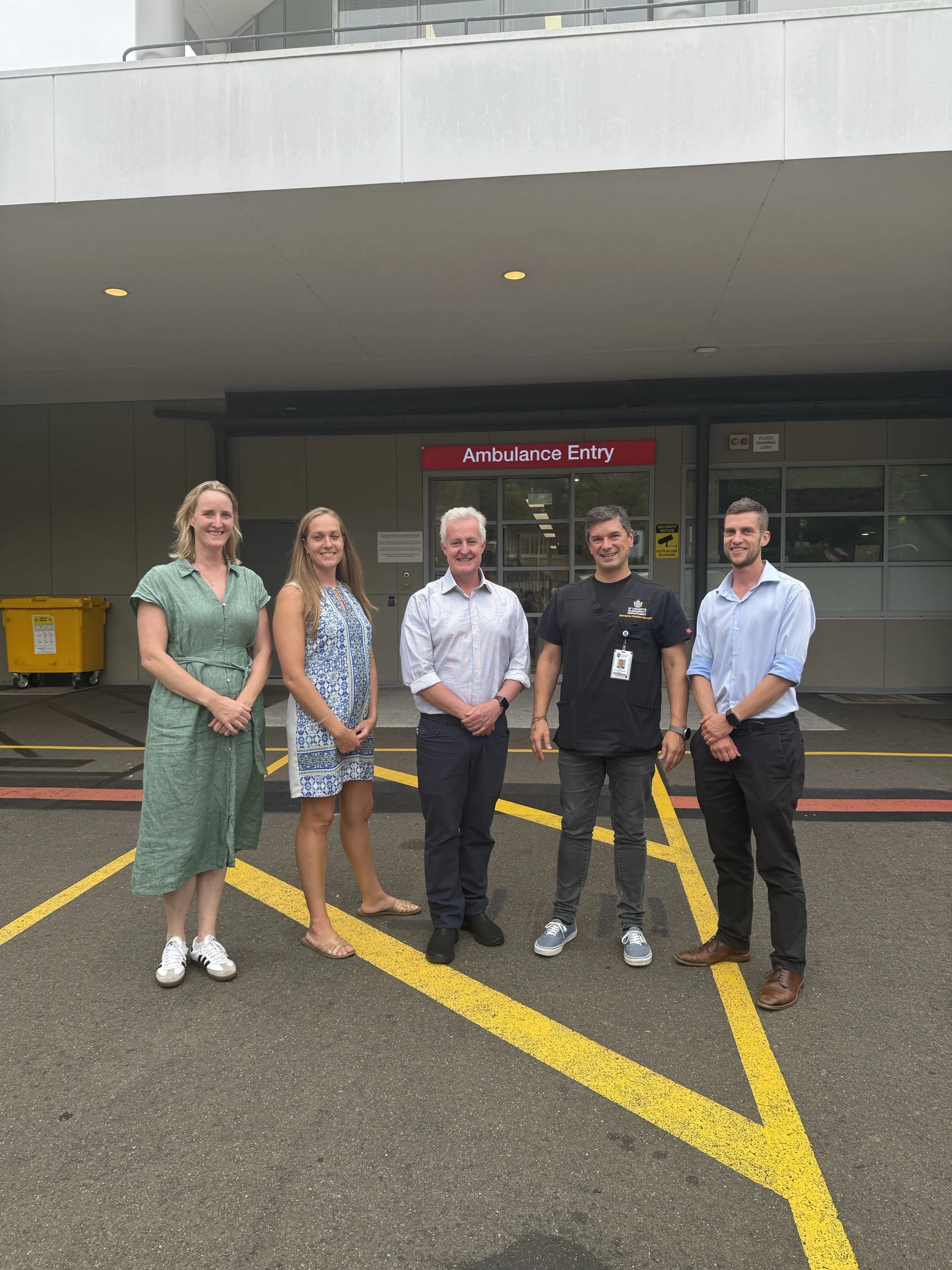
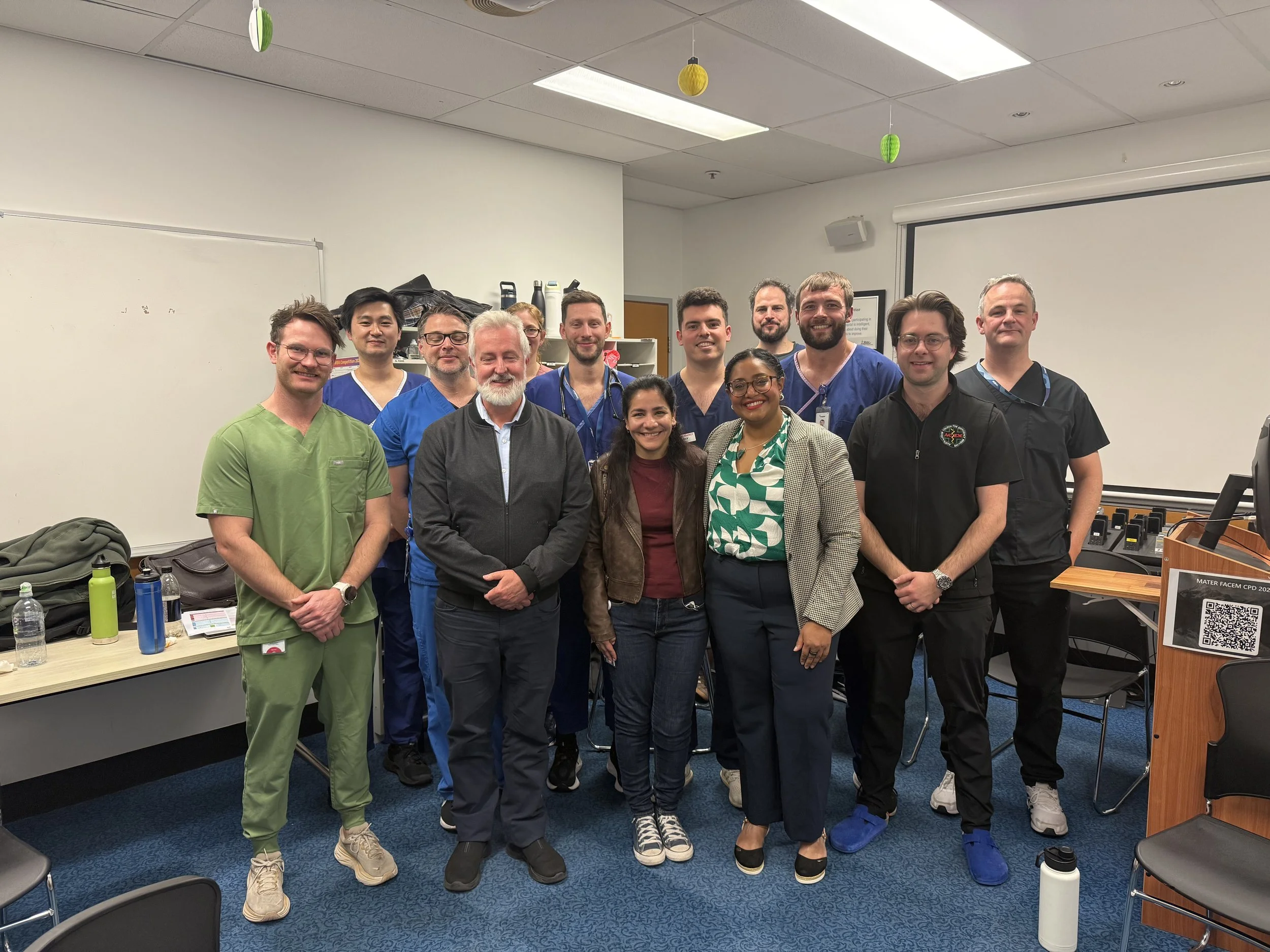
‘I was really proud of my specialty that we could do that.’
‘The other thing I really liked about emergency physicians is that they're really in it for patient care. They see the gaps, they know exactly what needs to happen, and they really do work hard to address inequity.’
He said while it was impossible to choose a favourite ED – ‘it’s like trying to pick a favourite child’ – it was important to recognise that alongside the differences there were some ‘really big common themes’ affecting them all that the College was hard at work on alleviating: bed block, recruitment and retention, and increasing demand, with the system failures similar across the board in Australia and Aotearoa New Zealand.
Transforming EDs
Dr Gourley said that access to the expertise of FACEMs at every level – hospitals, governments and other stakeholders - was transformative in many ways.
‘FACEMs in a hospital transform the performance of that hospital on all levels. Don't underestimate your impact on the system.’
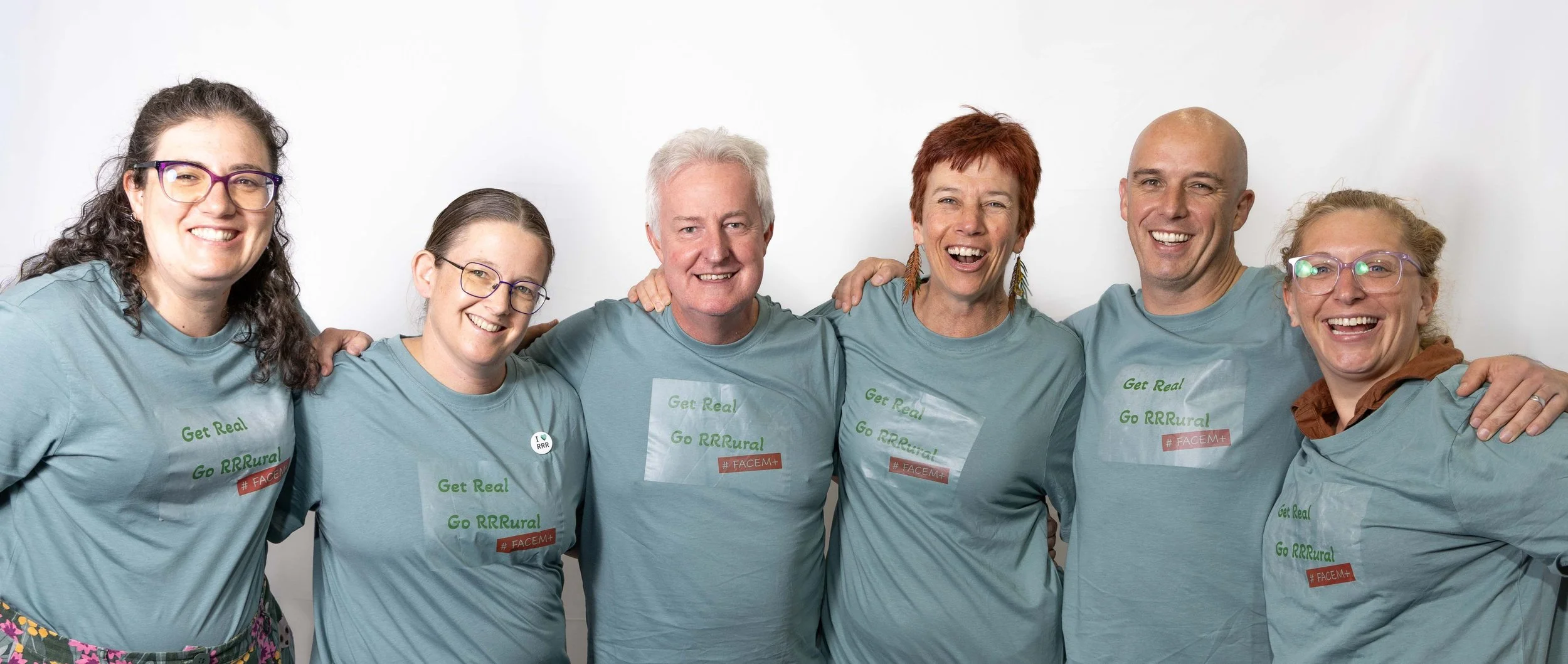
With the Regional, Rural and Remote Advisory Committee at the 2025 Annual Scientific Meeting in Queensland.
His passion for regional, rural and remote emergency medicine remains undimmed and he is pleased that great strides are taking place, particularly with the introduction of the core rural term from 2027.
“RRR is an essential part of our future growth ... It doesn’t matter where you live in Australia or Aotearoa New Zealand, you should have access to an emergency medicine specialist.”
‘RRR is an essential part of our future growth. Having Fellows regionally and rurally is an equity issue as well,’ he said.
‘It doesn't matter where you live in Australia or Aotearoa New Zealand, you should have access to an emergency medicine specialist. It doesn't need to be right on site, but that care needs to be there and available anywhere across both countries. We are getting there.
‘The success of EMET and being able to continue to get it funded was a positive thing, a real achievement.’
Presidency a privilege
He said that being elected and given the opportunity to serve as President was ‘a huge privilege’. He credits Queensland Branch Deputy Chair Dr Elizabeth Mowatt, past presidents including Professor Tony Lawler and Dr Claire Skinner and current President Dr Peter Allely, as well as ACEM CEO Brendan Peek, COO Olly Jones, Dr Robert Lee, Caitlyn O’Dowd and Helen Fidei – among many other colleagues - as providing crucial support during his tenure.
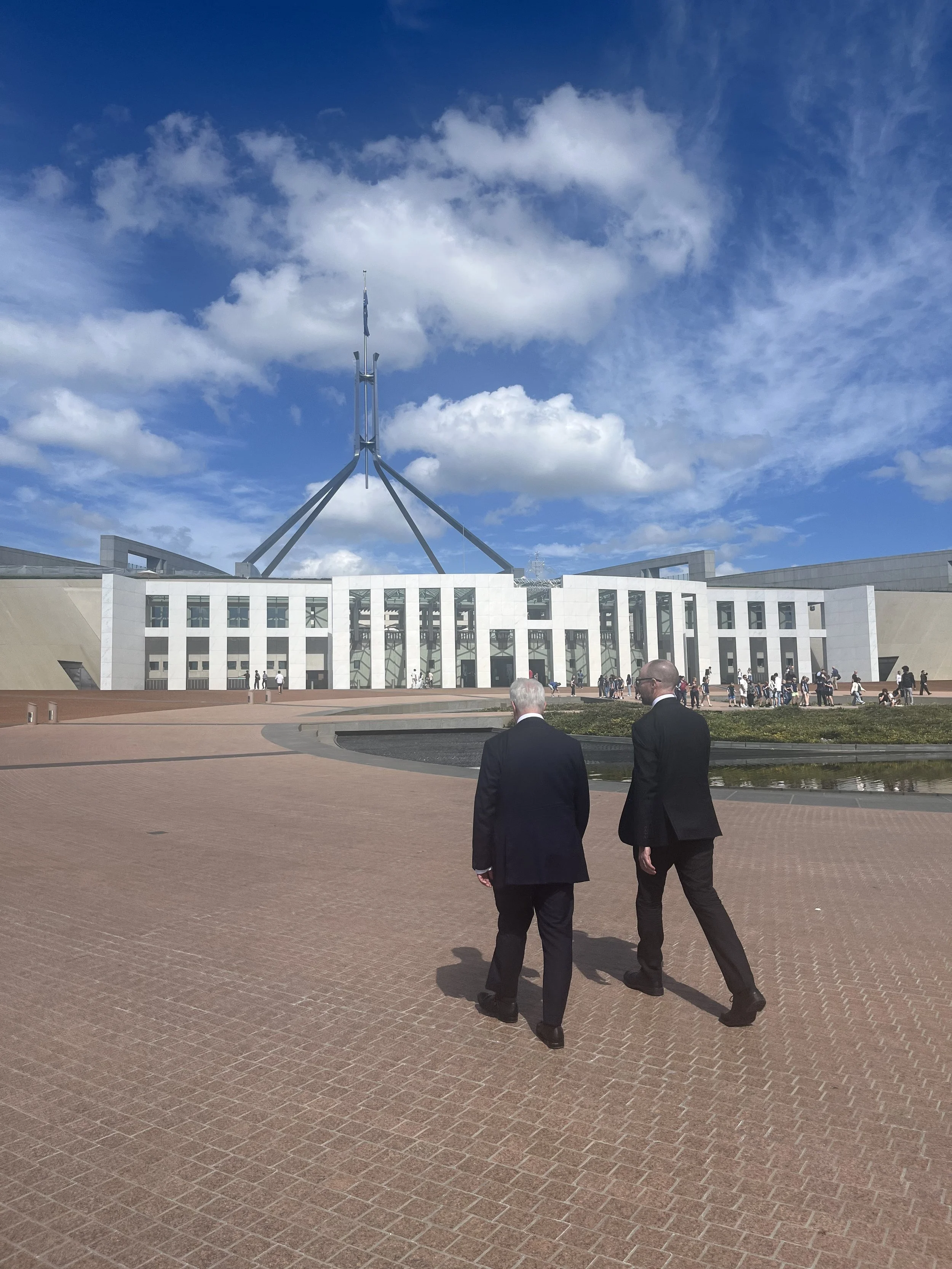
With ACEM President Dr Allely in Canberra.
‘I've always looked up to the previous presidents. They've all been amazing.
‘I never found it a burden. I enjoyed every minute of it. Some bits were tough, some bits were really satisfying and rewarding, but overall, it filled my cup.
“Remember why you do it. It’s all about the patients and the communities we serve.”
‘I’m looking forward to continuing to contribute to developing and strengthening emergency medicine.’
His advice to members and trainees?
‘Remember why you do it. It's all about the patients and the communities we serve. Joy can be found in even the smallest cases, it's not all about resus!’