
Traumatology Talks Working Group – member profile
The Traumatology Talks Working Group (TTWG) is an ACEM-led, inter-professional, national group formed to improve the care of Indigenous patients, based on the recommendations in the ’Traumatology Talks Black Wounds White Stitches’ report. TTWG’s initial focus is on developing ‘social emergency care’ as a discipline and how it could be integrated into emergency medicine in Australia. Social emergency care incorporates environmental health, considering interconnected factors such as housing, employment, food security, sanitation, being loved, and having purpose.
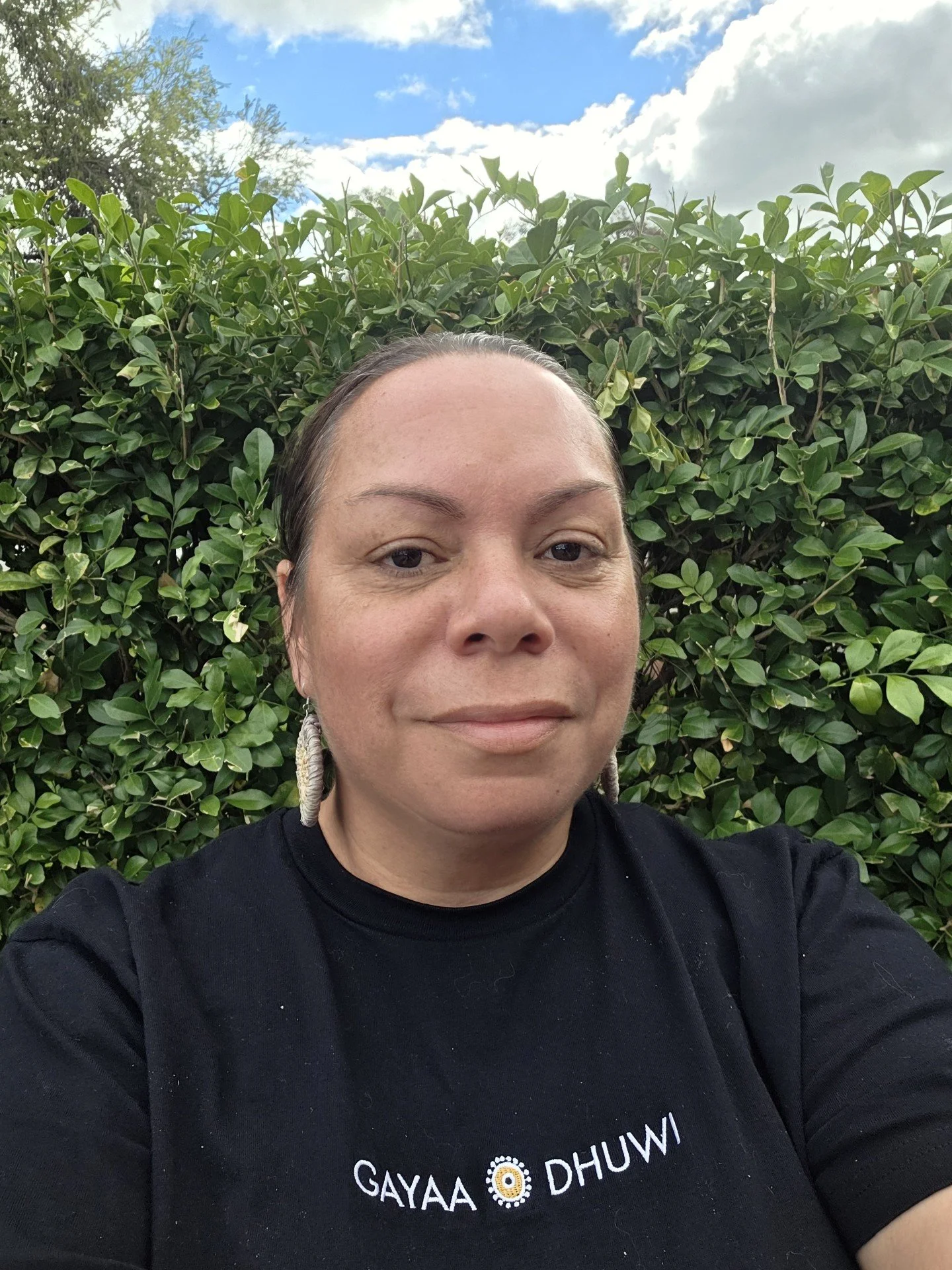
Kim Gorey, a member of the TTWG, shares her personal insights and experiences as an advocate for empowering her people and improving Indigenous health outcomes.
My name is Kim Gorey, and I am a Central and Eastern Arrernte woman born and raised in Alice Springs (Mparntwe).
I have worked in the health sector for many years and am currently based at the Alice Springs Hospital (ASH) in the emergency department (ED) as the Aboriginal Emergency Department Care Coordinator (EDCC), a role I have held since 2021.
Before I began in the EDCC role, I worked in other organisations: at Purple House supporting renal patients and previously at Gateway Health in Wodonga, Victoria, Albury Wodonga Aboriginal Health Service and Central Australian Aboriginal Congress.
“ I strongly believe in empowering my people through knowledge and promoting individual agency”
I am a family person, strongly connected to my culture, practising within this framework in my everyday life, both with my immediate and extended family members. I am a strong advocate for my people in both my personal life and workplaces. I strongly believe in empowering my people through knowledge and promoting individual agency by providing encouragement and engaging support with a client-centred approach to ensure people have quality of life.
Traumatology Talks Working Group
The Traumatology Talks Working Group (TTWG) has been a great opportunity for me to learn and to liaise with First Nations physicians. It’s been inspiring to hear the perspectives from First Nations doctors and other health workers especially around improving cultural safety practices and implementing this in training through ACEM. I look forward to continuing and being able to contribute ideas from a cultural perspective.
I am grateful to the College for giving me the opportunity to participate as a community member on the TTWG.
A holistic approach to wellbeing
It is well recognised at ASH that a small cohort of Aboriginal patients account for a disproportionate number of the hospital’s ED presentations - a symptom of unmet healthcare and other unmet needs.
I take a holistic approach to support an individual’s wellbeing, supporting them socially and emotionally while also building a relationship with them built on trust to help them live their best lives.
Through my personal experience and work, I am aware of the many issues which affect Aboriginal people and their ability to access and participate in their health journey. Language barriers, social issues, distrust of government organisations and disempowerment (historical and current) all play a role and influence how people engage with organisations.
My ability to speak and understand Arrernte, and previous work experience in multidisciplinary health organisations have given me the skills to effectively communicate and advocate for my clients. This involves knowledge and understanding of client confidentiality and appropriate communication of sensitive issues within teams.
In my role at Gateway Health, I worked closely with external organisations such as Housing, Child Protection, and the Department of Justice to support our clients. When I was engaging with these external services, I would create a plan with the client to help to support their individual goals and identify where other services could fill the gaps. These goals could sometimes be very complex because of a range of factors such as substance misuse, mental ill health, homelessness and other social and emotional issues, as well as domestic violence alongside other physical health conditions.
“If a person’s needs are not being met, this exposes them to vulnerability in many areas of their life, including their health”
Social determinants of health - a constant theme
The social determinants of health have been a constant theme in my personal and work experiences. If a person's needs are not being met, this exposes them to vulnerability in many areas of their life, including their health.
Aboriginal people in Central Australia live in poverty. They live in overcrowded homes, lack adequate employment and educational opportunities, and experience food security issues, chronic health complications, substance misuse and domestic/family violence – just some examples of social determinants impacting the health of individuals.
Through my work at Central Australian Aboriginal Congress and living in Alice Springs, I am aware of the services and support available to Aboriginal people and work with them to ensure they can access these services.
I am committed to the advancement of Aboriginal people and always advocate for my clients with their best interests in mind. My wish is to see positive ongoing change throughout the health sectors and Aboriginal communities.
Strengthening knowledge and best practice
Looking to the future, I plan to further my knowledge through education and training to ensure best practice within any work environment. A key focus for me is sharing my knowledge with other team members to ensure workplaces are culturally safe and that the appropriate cultural protocols are being followed for our clientele.
I am currently undertaking Cert III in Aboriginal Health Worker studies. This study will help me to gain skills and to understand the anatomy of health, as well as the terminology to better support patients and communicate with health professionals.