Mentorship - connection, support and validation
‘When you’re a trainee you may have difficult experiences, such as exams or patient interactions. Finding support to overcome those is so important.’
Auckland-based FACEM Dr Harriet Jennings recalls that one of her biggest challenges as a trainee was learning how to stand out from the crowd. ‘I felt that I blended into the background of a group of accomplished people, so I was looking for something that set me apart and wanted support to do this,’ she said.
During her training Harriet leveraged formal and informal mentoring mechanisms, including turning to FACEMs and senior registrars she looked up to for guidance and support.
Today Harriet is a trainee advocate and a mentor for ACEM’s Mentor Connect program, a role that first evolved from joining ACEM’s Trainee Committee as the Aotearoa New Zealand Trainee Representative.
‘Joining the committee opened a world of learning and opportunities. I would go to training meetings with trainees from other colleges and felt so proud of how well ACEM did in this space,’ Harriet said.
‘I felt like the College was really listening to trainees and there was a lot of support available, but I wasn’t privy to this before I went to these meetings.’
This motivated her to start raising awareness among trainees of what ACEM had to offer, and how to get involved in its work and give feedback. ‘I especially wanted to convey that the College really did care about our training experience and how to make it better,’ she said.
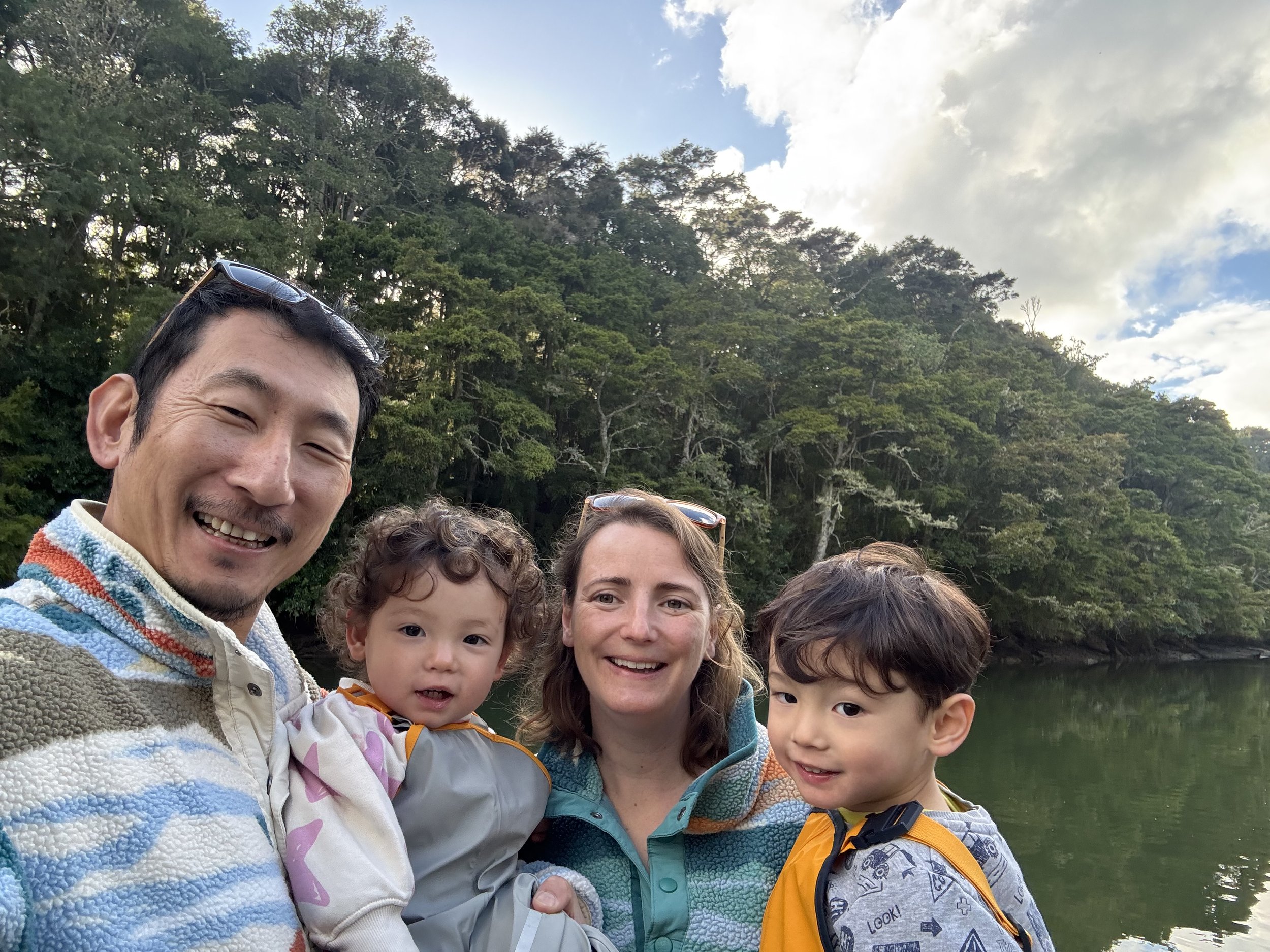
Dr Harriet Jennings with her partner and children
Harriet was appointed Chair of the Trainee Committee and became a member of the Pathway to Fellowship Review Committee, the latter giving her insight into trainees who were at the end of their training and unable to progress.
‘It got me thinking that if some of these trainees had been caught sooner this could have been prevented,’ she said. ‘This was the catalyst for getting involved in the Mentor Connect program and helping those who perhaps didn’t have access to support, especially trainees in regional and rural areas.’
Reassurance and validation ‘very helpful’
Harriet said that the job has become harder over the years.
“When you’re managing a high workload day-to-day, it can be challenging to plan study, have a family, and then also figure out your future career.”
‘We’re busier, expectations are higher, and we are picking up the slack from other specialties. All these pressure points mean a high cognitive load for emergency medicine doctors. When you’re managing a high workload day-to-day, it can be challenging to plan study, have a family, and then also figure out your future career.’
Trainees seek Harriet’s advice, guidance and support as a mentor on a range of issues, including exam techniques, returning to work after maternity leave, taking a break from training, College training challenges, and taking on leadership roles.
Harriet views mentorship primarily as offering a sounding board and support, rather than telling trainees what to do.
‘Often, I’ve found that trainees want reassurance that what they are feeling is okay,’ she said. ‘It’s about validating their feelings and telling them, “Yes, that happened to me” or “I know someone who also felt that way or had the same thing happen and it’s totally normal and understandable.” If you hear someone saying, “Yes, I’ve experienced that too”, you just feel so much better.’
“If trainees are struggling, I always encourage them to get in touch with the College early because there are so many avenues of help.”
Mentors also offer advice for trainees to seek appropriate support if there are serious concerns about their mental wellbeing.
‘If trainees are struggling, I always encourage them to get in touch with the College early because there are so many avenues of help,’ Harriet said. ‘As emergency medicine practitioners, we are used to seeing people in distress in EDs so it’s part of our experience.’
What does good mentoring look like? Harriet believes it is about tailoring your support to the individual’s needs and wants.
‘[It’s about] listening to the trainee to understand their concerns and what they’re looking for. Encouraging them to get help and to pursue things that they’re passionate about.’
Harriet has mentored four trainees and attests to the significant difference it can make for them.
‘My recent one, Karolina, was doing her final written exam, and we did a lot of work on her exam technique and she passed. We are now working together on her OSCE and she’s getting ready to return from maternity leave. It has been a really good relationship,’ she said.
‘Another trainee I’m meeting with is rurally based so has less learning support. I’m helping her on a weekly basis with exam preparation.’
Harriet said the mentor role is rewarding. ‘Knowing that I’m making a difference and also showing them the College processes and support available. It’s so wonderful to see trainees progress after they’ve come to me struggling with something.’
Building a strong culture of mentoring in emergency medicine
A strong mentoring culture will help ‘take away the taboo of asking for help,’ Harriet said.
“It’s a tough specialty and it can take a heavy emotional toll. I don’t think people always realise this until it builds up to being too much.”
‘It’s a tough specialty and it can take a heavy emotional toll. I don’t think people always realise this until it builds up to being too much.’
Harriet believes that all trainees should have a mentor.
‘The Mentor Connect program can match you with people who may not be in your area, which provides you with the value of an outside perspective,’ she said. ‘For example, in your everyday environment some things may become normalised, whereas that external view can be so beneficial in highlighting that something isn’t right.’
‘I personally don’t see any downsides to mentoring – apply, you have nothing to lose!’
A mentee’s perspective
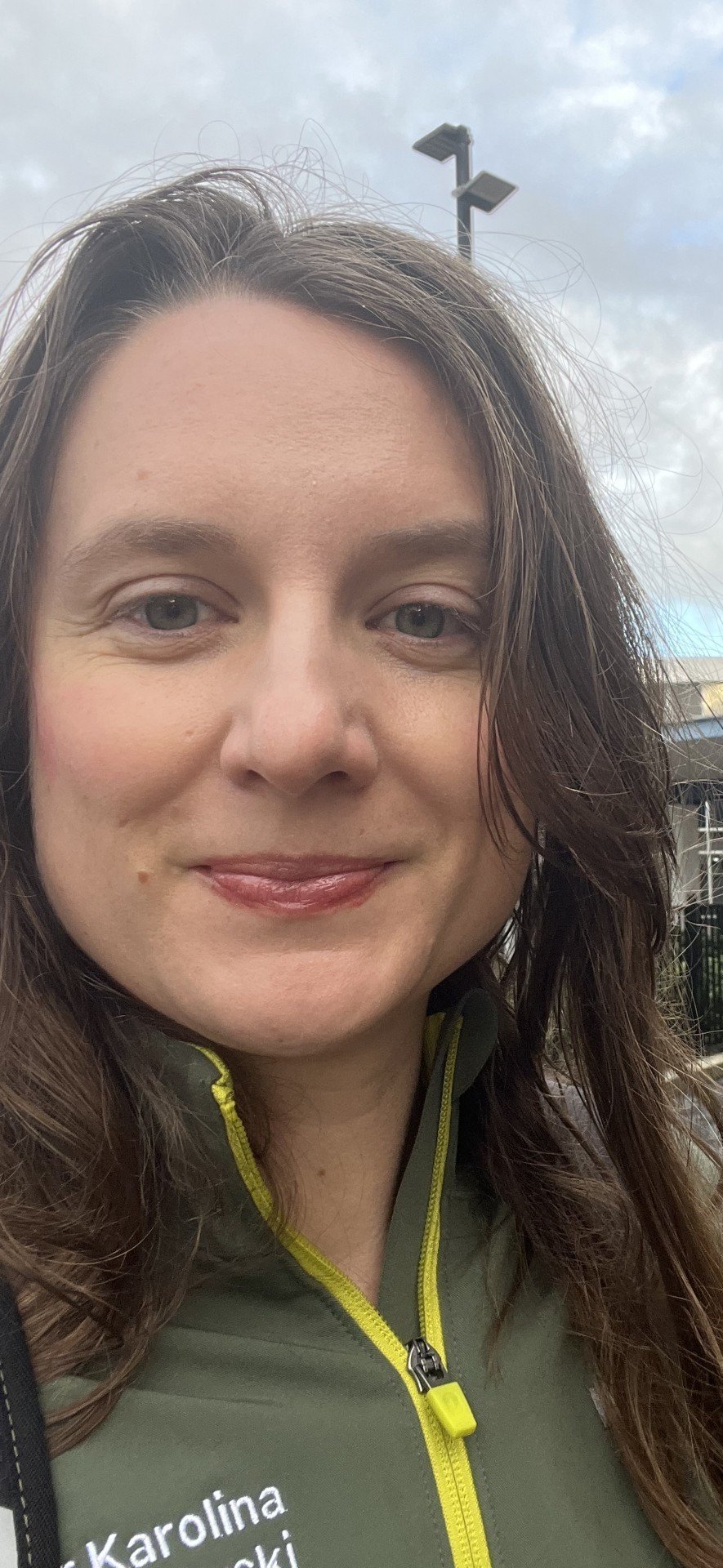
Trainee Dr Karolina Kuligowski
Sydney-based Royal North Shore Hospital Trainee Dr Karolina Kuligowski is being mentored by Harriet and echoes this sentiment. When she was planning to return to work after maternity leave, she was looking for extra support for exams and her overall trainee journey, ‘especially as I was working in a smaller centre then where there were fewer avenues for support’.
While Karolina had previously been mentored at the hospital where she worked, she liked that Mentor Connect offered a mentor who was not connected to her workplace.
“Having a mentor like Harriet in my corner has made it so much easier to manage my training and challenges in the ED. I feel more resilient.”
‘If your mentor is at the same hospital, it can be difficult to ask questions about your training or other work issues, limiting what you can talk about,’ Karolina said. 'Having a mentor who works at another hospital means they’ll be more neutral and you’ll feel more comfortable discussing issues with them. There’s also a real advantage in having an outside perspective.’
Karolina liked that Mentor Connect provided her with several mentors to choose from. ‘Harriet had worked with the ACEM examination process, and she is also a mum, so it was a great fit for me.’
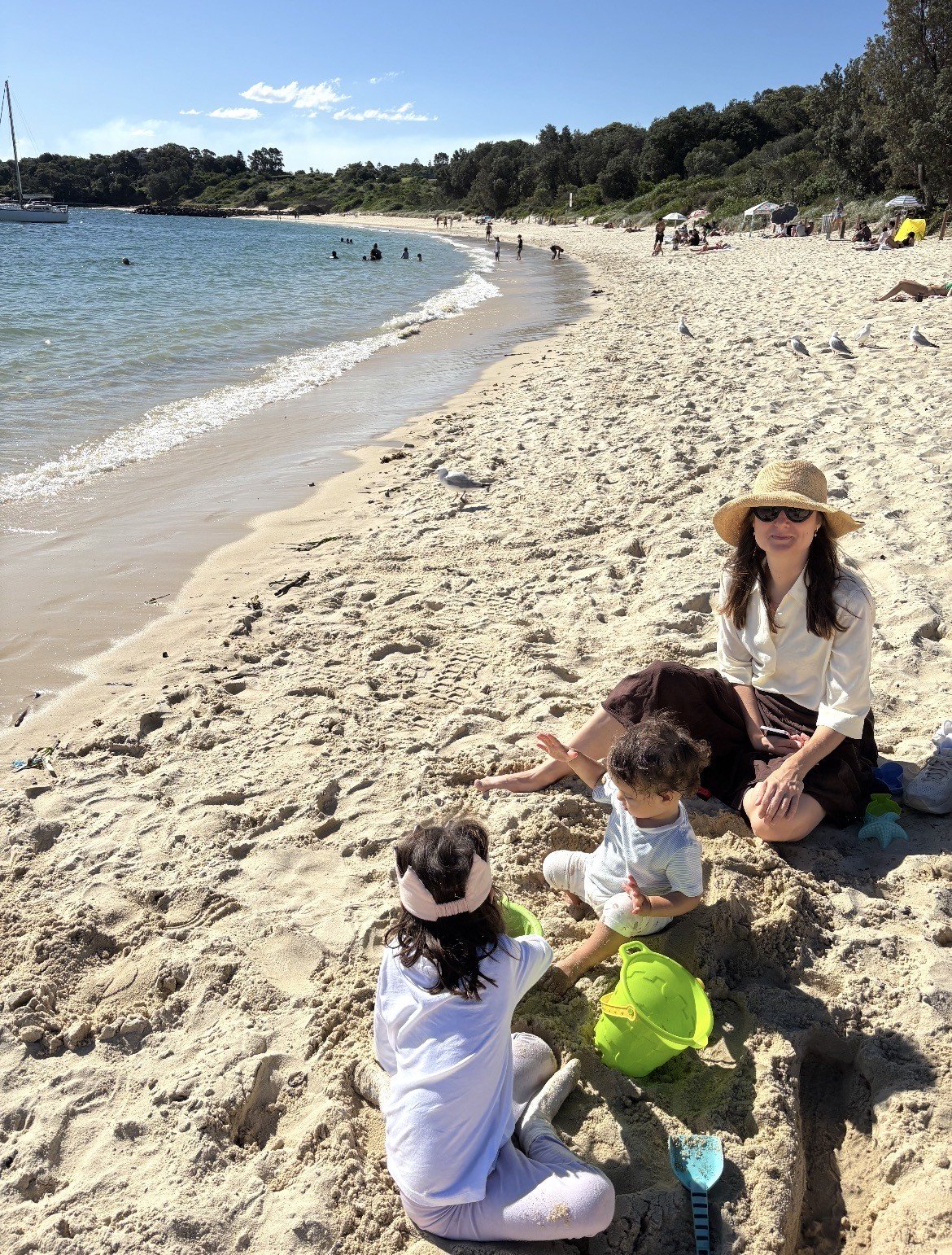
Dr Karolina Kuligowski with her children
She describes Harriet as an ‘excellent’ mentor who has exceeded her expectations. ‘She gave me very good feedback, which changed how I answered exam questions, and marked a lot of my practice papers.’
Harriet also provided advice on returning to work and study after maternity leave, drawing on her own personal experiences.
‘I thought, “How am I going to do this with two children, fit in the shift work and exams?” Harriet’s advice has made a big difference to me.’
Karolina said that Harriet had also helped her to feel more confident when approaching her supervisors with questions or concerns.
‘Having a mentor like Harriet in my corner has made it so much easier to manage my training and challenges in the ED. I feel more resilient.’
Want to find out more?
Mentor Connect and accompanying mentoring resources have been specifically developed to support emergency physicians as mentees, mentors and program coordinators. Enquiries regarding ACEM Mentor Connect can be directed to MentorConnect@acem.org.au. You can also visit the ACEM website for more information, including how to apply to become a mentor or mentee.