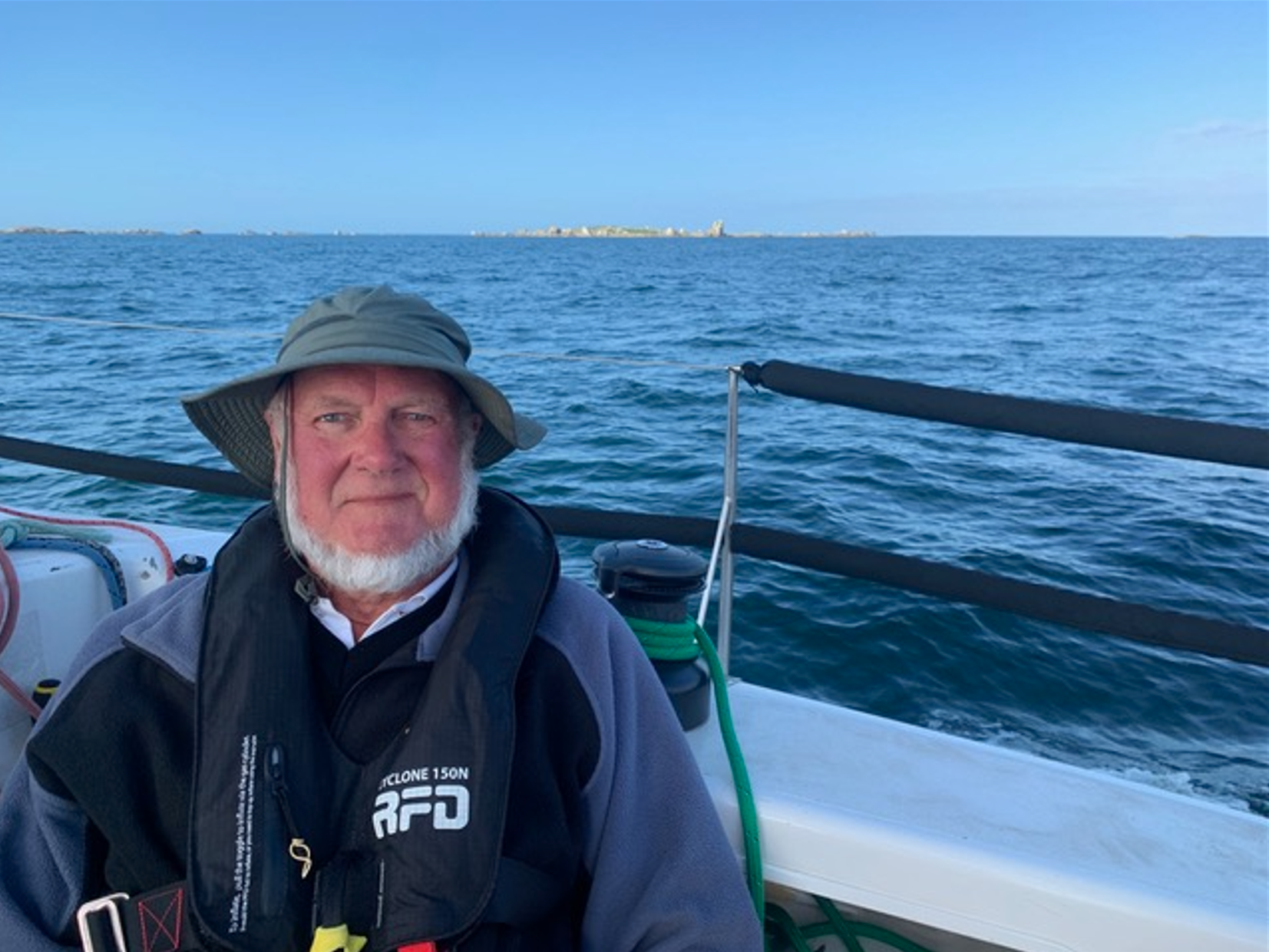
Setting sail – retirement and life after the ED
Ask any FACEM and they will tell you that emergency medicine is more than just a job.
Working on the cutting edge of medicine, never knowing what or who will next come through the ED doors, and providing care and relief to people when they need it most can be equal parts thrilling, nerve-wracking and intoxicating.
But all things must come to an end. After spending decades immersed in fast-paced trauma rooms supporting junior doctors, taking notes, writing up medications, reassuring patients about their symptoms, and general communication overload, it can be confronting to contemplate life in retirement.
“Don’t leave it too late, when failing health may take the shine off those last few years. And don’t work beyond your use-by date.”
This was the situation facing 2019 Order of Australia recipient and Foundation Fellow Dr Bryan Walpole. After being an ED director and practicing emergency medicine for five decades, the ACEM Medal winner one day came to the realisation that while he was ready for life beyond the ED, he still had more to give as a doctor.
He decided to have an adventure, and he never looked back.
’At age 58, I applied for a post with the Australian Antarctic Division, as a station medical officer. I was accepted as Medical Officer for Macquarie Island, a wildlife paradise halfway to New Zealand, for 14 months,’ Bryan said.
’Three months of glorious paid preparation followed, including a short course in radiography and learning to use an autoanalyzer, followed by a month of logistics preparation at the Australian National Antarctic Research Expeditions HQ in Kingston, Tasmania. I was put through a coxswain’s ticket, to operate the powered boats that carried supplies and evacuations round the 20km-long island. I departed on the Aurora Australis in February 2001.
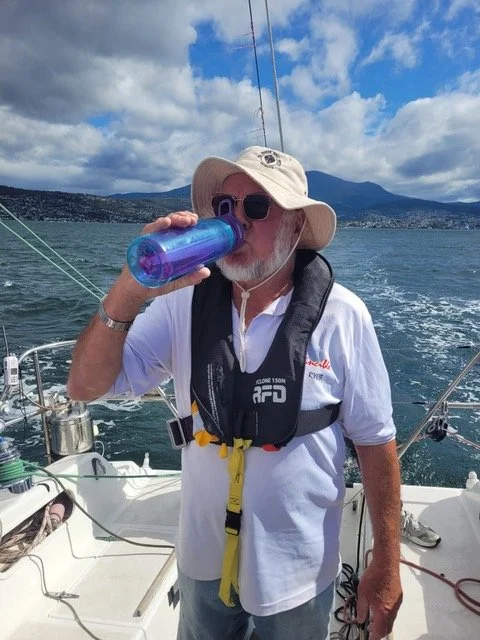
Dr Bryan Walpole
’With 18 expeditioners over the winter, medical work was minimal, leaving time to be the station beer and wine brewer (no alcohol was taken on board ship), as the station had a small, heated brewery. I also managed, with a weather observer, the hydroponics plant, producing daily fresh vegetables and herbs. Rising daily at 0530, I would make fresh bread for the day, and Sunday, being cook’s day off, I was the station cook,’ Bryan said.
’It was possibly the best year of my life, nice guys and girls, great food, plenty to do, and a wonderful menagerie of penguins, seals, sea and shore birds to wander among, staying out occasionally in one of the six very cold, unheated field huts.’
Now with a taste for adventure, Bryan occupied himself with a series of medical-related roles in locations as varied as refugee camps and oil rigs, which he described as “interesting”. However, the COVID pandemic put an end to that, and Bryan was forced to contemplate retirement. He said the biggest challenge was what to do to occupy his time, and how to fill the void left behind by his work.
’For about three months, I desperately missed work, having been a doctor for over 55 years, from age 23 to 79,’ Bryan said. ’I no longer had a reason to leap out of bed each morning. The joys of a successful resus, being part of a tribe, teaching, research, all gone in a flash.’
“‘Next, I rang five old friends from the hospital and organised a morning coffee at the yacht club to catch up. We called it the GOD squad (Grumpy Old Doctors) and our group is slowly expanding. Now I don’t miss work at all.’”
However, he said he wasn’t very long retired before his days started to get very busy. Today he is a guide at the Wooden Boat Centre in Franklin, is a sailing/rowing teacher at Franklin Primary School and also offers sailing experiences for adults and children with a disability.
’I was approached to do some health-related videos for the Men’s Shed organisation, then I was also appointed patron, so I go and listen to the men talk about health,’ Bryan said. ’My variable woodworking skills were put to work a day a week running tours at the Wooden Boat Centre, and best of all, taking folk with a disability out sailing on a purpose-built sailboat twice a week.’
’Next, I rang five old friends from the hospital and organised a morning coffee at the yacht club to catch up. We called it the GOD squad (Grumpy Old Doctors) and our group is slowly expanding. Now I don’t miss work at all, and am free to travel, visit family, spend hours on the web, and with no on-call, can drink wine any evening.’
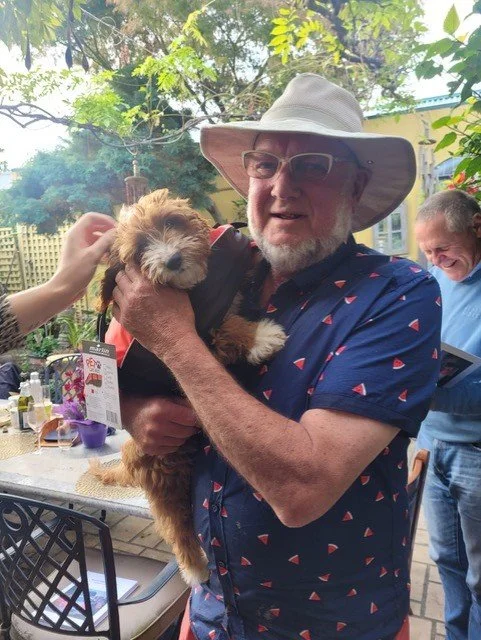
Dr Bryan Walpole
Bryan has firm views on how FACEMs in the latter part of their career should begin preparing for their own retirement. He said going ‘cold turkey’ from a full time ED position wasn’t the best approach – it is much better to gradually reduce work commitments and take time to adjust and ‘stop worrying’ – just do it and make the break.
’First, get out of acute ED work and off the after-hours roster somewhere around age 55,’ Bryan said. ‘I qualified in diving and hyperbaric - easy, fairly routine work, with quite rare, but manageable emergencies – and did a tropical medicine diploma on my last sabbatical at age 50, in London, facilitating a move away from emergency medicine.
Don’t leave it too late, when failing health may take the shine off those last few years. And don’t work beyond your use-by date.’
FACEM Dr Bryan Walpole practiced in medicine for nearly 40 years. Now retired, he was an originating member of the ACEM Council and received multiple awards from the College across his career. A prominent figure in both Victorian and Tasmanian EM, in 1996 he delivered the Tom Hamilton Oration.
Click here to find out more about ACEM’s Later Career Program, developed to support later-career members who are looking to change their scope of practice or prepare for retirement.
You can also read ACEM’s Statement on Later Career FACEMs in Clinical Practice here.