Politics, policy and priorities: setting an unusual pathway
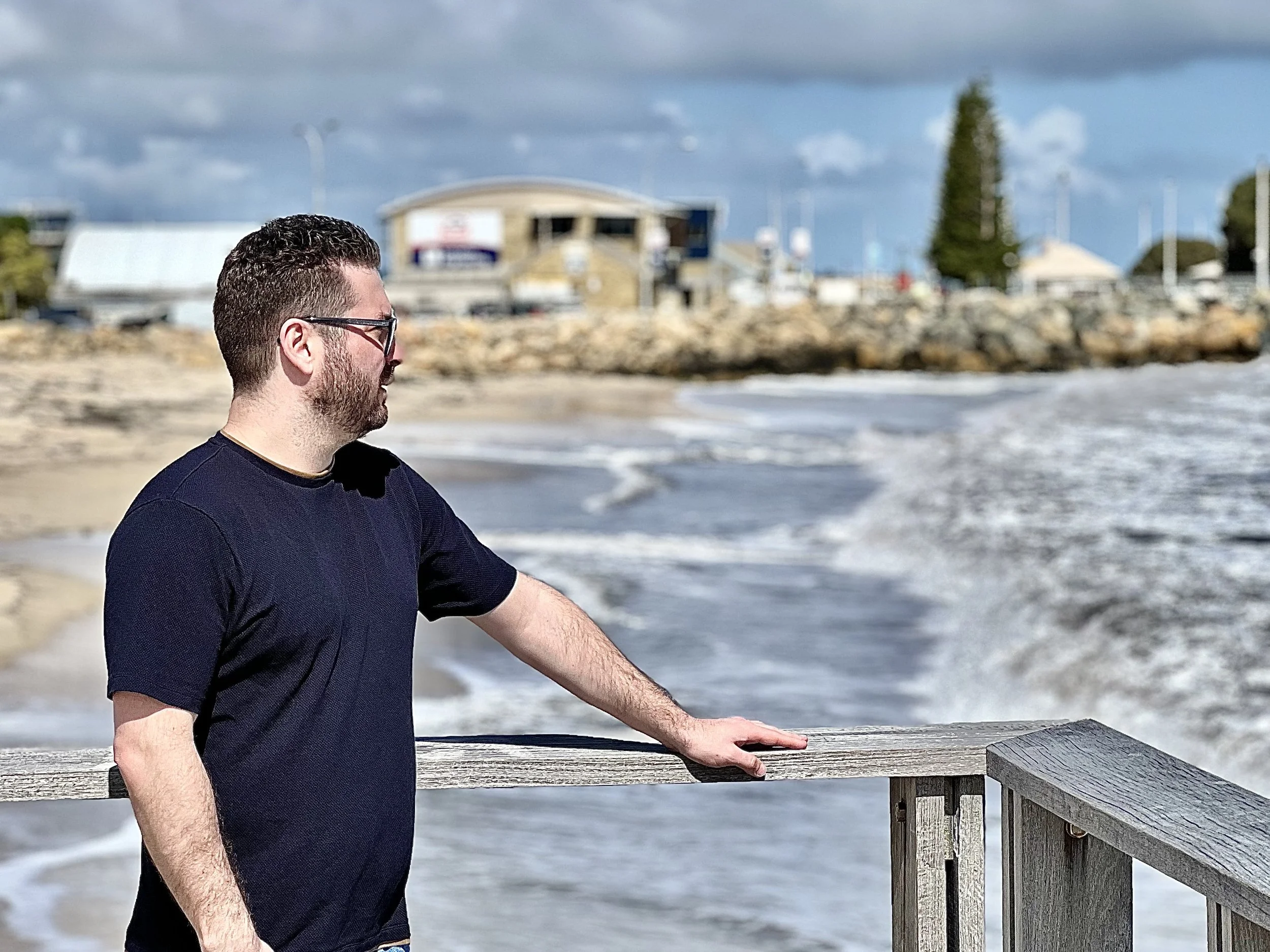
From diplomat to doctor, ACEM trainee Dr Thomas Shanahan’s journey to emergency medicine and Australia was, he admits, a ‘slightly unusual story.’ Now he is leading the development of a trailblazing survey which aims to identify the key research priorities for the specialty across Aotearoa New Zealand and Australia.
“In a previous life I was an international diplomat with the United Nations”
‘In a previous life I was an international diplomat with the United Nations,’ Dr Shanahan said.
Based in the Pacific, he worked frequently in Australia, also having family in Perth and marrying his partner in Sydney 14 years ago.
At school he prepared for a career in medicine, but a day before the deadline made a sharp pivot and changed his preferences to politics, international relations and war studies.
Politics and policy
‘In the end I did a degree in international relations and politics, then a master's in peace and conflict studies, with internships and voluntary work along the way,’ he said.
‘When I finished my master's, I went to Indonesia for the World Bank, then I found my way to the Pacific.’
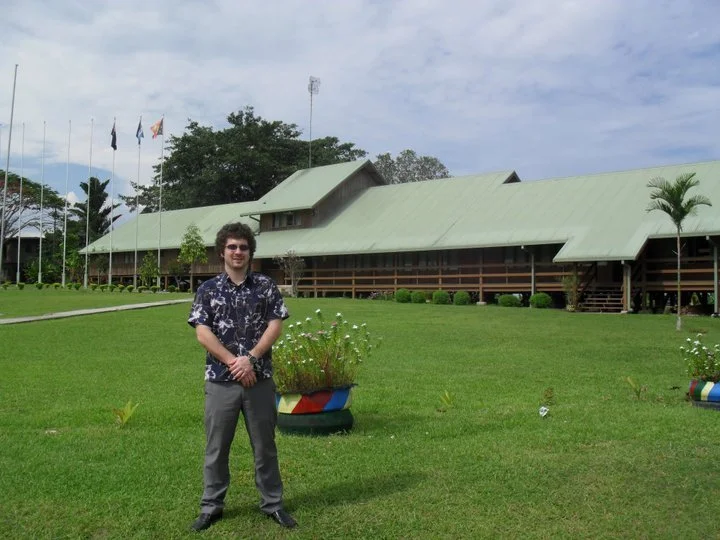
After years in the field - including stretches in Fiji, the Solomon Islands, Papua New Guinea (including Bougainville, pictured right) Tonga, Vanuatu, Kenya and Somalia - covering national security policy development, prevention of gender-based violence and post-conflict work, he decided to pivot again.
Pivot into medicine
Dr Shanahan returned to the UK to complete a pre-med course at Sussex Downs College, then studied medicine at the University of Leeds – and his background in conflict resolution and diplomacy has come in handy in his emergency medicine career.
“[Emergency medicine] uses a lot of the non-technical skills I’d developed over the years: communication, teamwork, problem-solving and intercultural communication”
‘I picked emergency medicine mainly because I like not knowing what's coming, and I like the tangible impact you can have immediately. It also uses a lot of the non-technical skills I'd developed over the years: communication, teamwork, problem-solving and intercultural communication,’ he said.
‘I've had experience talking to people in villages, presidents, prime ministers and heads of militaries. You interact with all sorts of different people, and that's been very useful in engaging with patients, colleagues and others.’
Months away from being eligible for Royal College of Emergency Medicine (RCEM) fellowship exams, he made another pivot and decided on a new beginning.
Move to Australia
‘I was considering building a placement into my PhD application, so I'd come to Australia and do some collaborative work. Then I turned around and thought, “No, I actually fancy coming over.”
‘I was drawn by what I perceived to be better work-life balance, a better lifestyle and better pay and conditions, and also the scope of emergency medicine here, which I've written about in the Emergency Medicine Australasia (EMA) journal. All of that has come to fruition.’
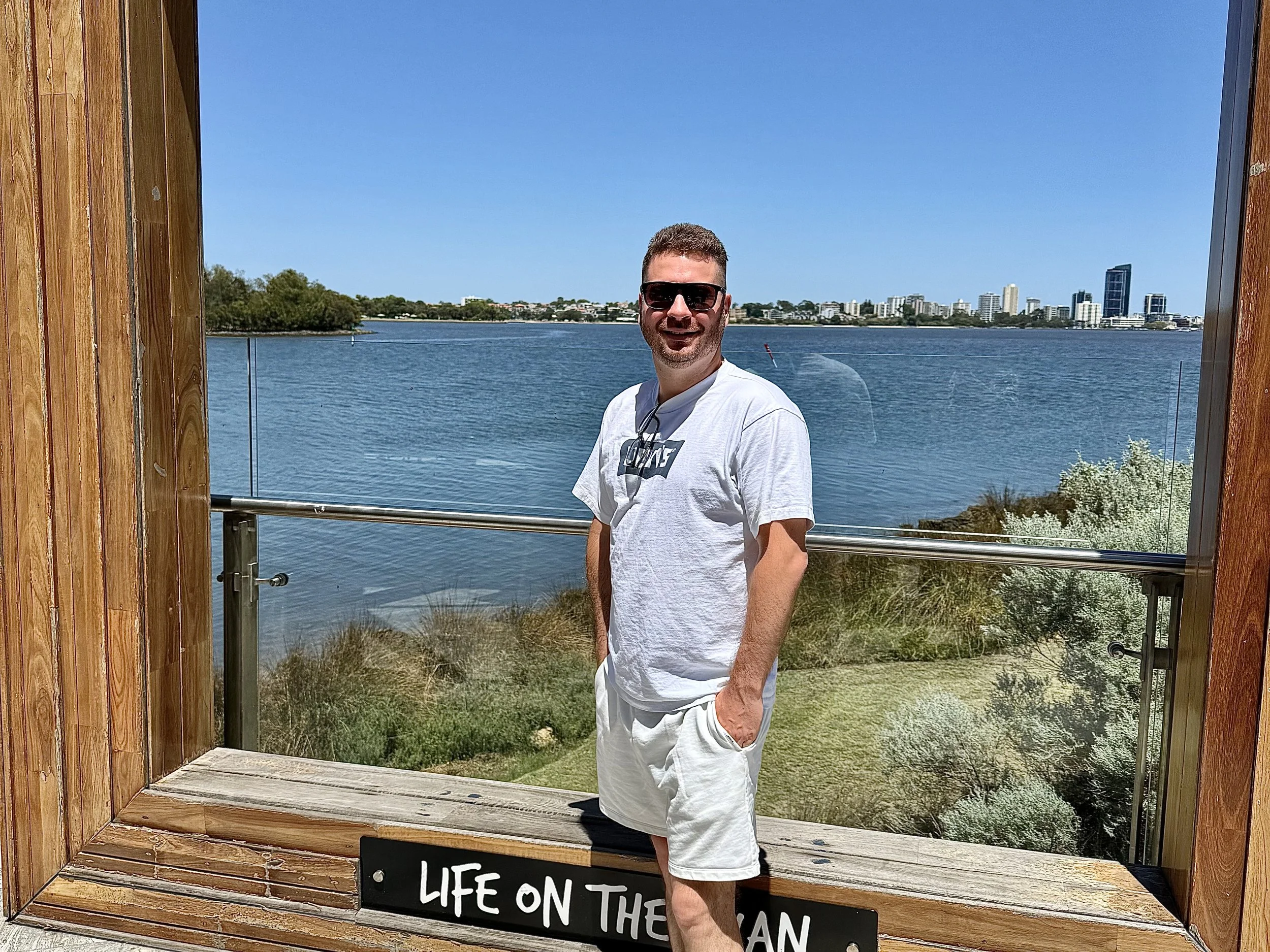
Dr Shanahan, clinical researcher and emergency medicine registrar at Monash Health in Victoria, came to Australia for a better work-life balance, and is now Clinical Lead of a groundbreaking Priority Setting Partnership (PSP) between ACEM and the James Lind Alliance (JLA).
Research survey
Dr Shanahan is a clinical researcher and emergency medicine registrar (ACEM TS2) at Monash Health, Victoria, an adjunct lecturer at Monash University and a member of the Health Research Ethics Committee at Monash Health, member of the research committee of ACEM and Emergency Medicine Foundation (EMF) – Queensland and trainee section editor at EMA.
He is also spearheading the development of a ground breaking Priority Setting Partnership (PSP) between ACEM and the James Lind Alliance (JLA) as Clinical Lead, which has brought together his love of research and medicine with his experience in leadership and diplomacy.
‘I had a lot of experience leading projects and processes, which is very useful here, because the group is quite senior and quite diverse. We have the past president of the College and the current national president of CENA.
‘We have some of the key players in emergency care research in Australia and Aotearoa New Zealand on the group, and some very experienced consumer advocates. So that experience has been quite useful in my current role as clinical lead for the project.’
Identifying key priorities
Dr Shanahan said that a key part of the ‘mission’ of the ACEM Clinical Trials Network has been to establish research priorities for the specialty. They put together a core group and decided on a project idea to work with the UK-based not-for-profit James Lind Alliance (JLA).
“The goal is to identify and prioritise unanswered questions that they agree are the most important, so that researchers and funders are aware of the issues that matter most to the people who provide and use emergency care.”
Funded by the National Institute for Health and Care Research and hosted by the University of Southampton, the JLA runs Priority Setting Partnerships (PSPs) in more than 150 countries, including Australia and Aotearoa New Zealand.
The goal is to ‘identify and prioritise unanswered questions that they agree are the most important, so that researchers and funders are aware of the issues that matter most to the people who provide and use emergency care.’
The PSP process
‘During my time in the UK, I was an integrated academic clinical trainee, so I had time for research. I sat on the Royal College's research committee and led the trainees' research association, and as part of that I was on the steering committee for the RCEM JLA refresh of emergency care. So, I have first-hand experience of the process.’
He explained the rigorous PSP process.
‘A PSP brings together patients, carers and clinicians or healthcare professionals through a generally standardised methodology, with some variation along the way,’ Dr Shanahan said.
‘The standard approach starts with an initial survey that asks people to provide their key unanswered questions in a particular area. For example, in the UK they've done intensive care and a refresh of intensive care, and emergency care and a refresh of emergency care. This is the first Australia and Aotearoa New Zealand-wide, specialty-focused one.’
Next steps
That is just the first step.
‘Once you've had the first survey, you check whether the questions have already been answered. You then group the unanswered ones into what's called summary indicative questions. That goes out in a second survey, where people decide which, they think are most important. Finally, a workshop (virtual, in our case) brings together a selection of patients, consumers and clinicians to agree the top 10 priorities for emergency care research in Australia and Aotearoa New Zealand.’
JLA survey outcomes can differ once PSPs are finalised.
‘In the UK, there are sometimes national calls to answer those priorities, and researchers submit grants for funding,’ Dr Shanahan said.
‘We're in a different context. Our hope is that this feeds into the College's advocacy for a national emergency medicine research foundation, built on and modelled on EMF in Queensland, and that it would set priorities for such an organisation. If that doesn't happen, our secondary aim is to promote it to the NHMRC and the MRFF for specific funding calls in emergency care that answer these priorities.
‘A broader aim is to give some collective specialty direction to the research we do. For the Colleges, that would mean factoring the priorities into their research grant funding. More broadly, you potentially reduce research duplication and waste, and you focus on areas determined by both clinicians and patients. That's where this is a bit different. A lot of processes, including some ACEM has done before, have focused mainly on clinicians, and even then, just FACEMs.
Broad representation
The main aim was reaching out to the widest possible range of contributors.
‘It's the first to include the broad spectrum of the specialty. For us that means FACEMs and trainees, but also non-trainee doctors. Everyone currently working in an ED is eligible to answer: emergency nurses, allied health professionals, support workers, volunteers and mental health practitioners. And then anyone who has sought emergency care themselves, or whose family member or someone they care for has. It covers the whole population of emergency care.
“It’s the first to include the broad spectrum of the specialty. For us that means FACEMs and trainees, but also non-trainee doctors. Everyone currently working in an ED is eligible to answer: emergency nurses, allied health professionals, support workers, volunteers and mental health practitioners. And then anyone who has sought emergency care themselves, or whose family member or someone they care for has. It covers the whole population of emergency care.”
‘Our steering committee reflects that, too. It includes nursing representation, allied health representation, trainees and FACEMs, as well as consumers from an Aboriginal and Torres Strait Islander background, Māori background, and others,’ he said.
Bi-national coverage
Dr Shanahan, who came to Australia in 2024, brought his experience with JLA PSPs with him.
‘I got involved in this project from the beginning, while I was research registrar at Royal Perth Hospital. I worked with the core group and was part of the team that secured funding from the ACEM Foundation for the project.’
“The success of this depends on how widely you can disseminate the surveys and how much good input you get from the community”
He said while there were similar elements with previous projects he was involved in, ACEM’s ‘starts from the beginning.’ He also transferred lessons learned along the way, including the importance of tapping into networks and having more consumer involvement at the strategic level.
‘The success of this depends on how widely you can disseminate the surveys and how much good input you get from the community,’ he said.
The project already has partnerships with CENA and with the College of Emergency Nurses in New Zealand and more key stakeholders and peak bodies are being invited to take part. Fourteen such organisations across Australia and Aotearoa New Zealand have already agreed to partner in the project.
Survey ASM launch
Several activities and promotional materials will accompany the survey launch at the ACEM Annual Scientific Meeting in Perth from 22-26 November, culminating in a planned Lounge session on Wednesday, 25 November. It is hoped that the launch of the survey in Aotearoa New Zealand will occur within the next fortnight once ethics approval is granted from the University of Auckland. Following this approval, the survey will also be open to respondents in Aotearoa New Zealand.
Everyone is encouraged to have their say, take part and share the survey widely with their networks, colleagues, friends and family, to ensure the broadest possible reach.
The first survey goes live at this year’s ASM and it is anticipated the top 10 will be publicised at next year's ASM in Aotearoa New Zealand.
ASM activities
Aside from the launch of this crucial survey, Dr Shanahan will also be presenting a project he did in Perth on older people and major trauma in the best trainee paper session at the ASM.
‘I carry on doing research. I wear quite a lot of different hats. I get some clinical support time for research. I sit on the Human Research Ethics Committee at Monash, and I'm a trainee section editor of the EMA. I also sit on the ACEM research committee as a trainee member and the research committee of EMF in Queensland,’ he said.
‘My own research is a combination of things. I like the priority-setting side. I've also done work on academic careers for emergency medicine trainees. My big area is older people and major trauma, and I'm now developing a new focus on using implementation science to improve care in the ED.’
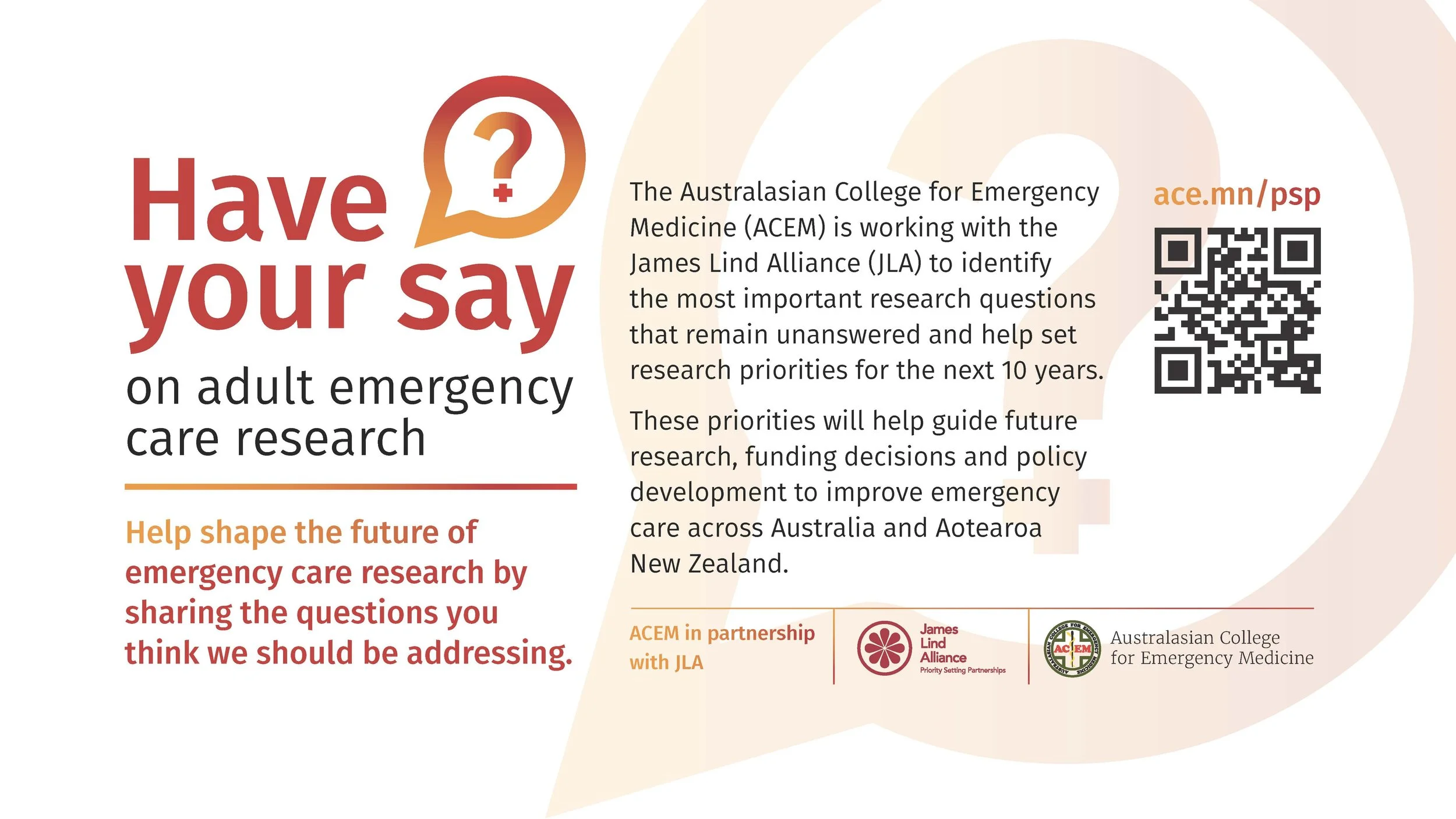
For more information about the project visit the dedicated ACEM webpage
To take part in the 15-minute, anonymous, online survey click here: https://redcap.link/PSPEmergencyCare
Or scan below: